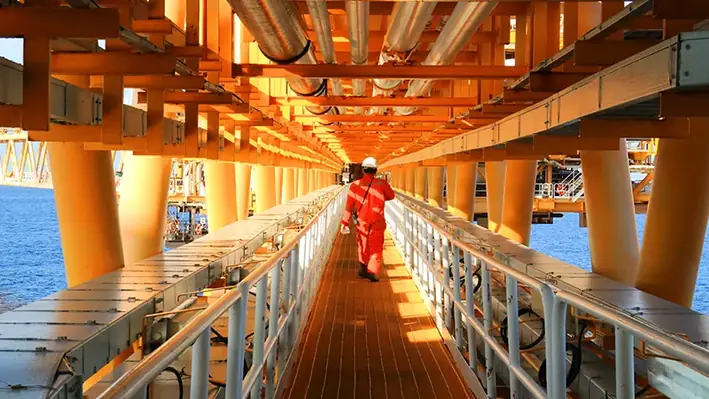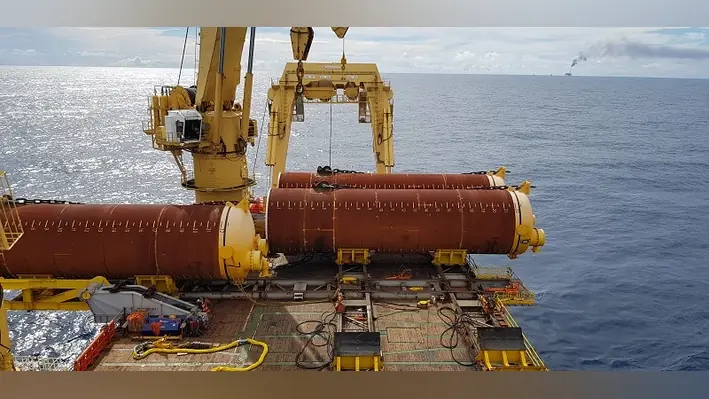
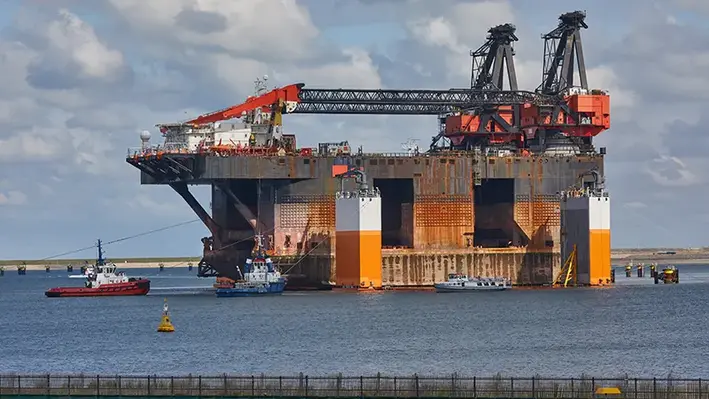
The offshore decommissioning market is entering a phase of significant change, particularly across the Asia–Pacific region, where ageing infrastructure, evolving regulations, and rising environmental expectations are reshaping industry priorities.
Governments throughout APAC are tightening their regulatory frameworks, introducing more comprehensive guidelines to ensure that the dismantling of offshore assets is carried out responsibly and with minimal environmental impact. These regulatory pressures are pushing operators to embrace innovative, sustainable technologies as they update their decommissioning strategies.
A major influence on this shift is the accelerating move towards renewable energy. As countries in the region prioritise cleaner energy sources, many oil and gas platforms are being retired to make room for offshore wind developments and other low-carbon alternatives. This transition is generating sustained demand for specialist decommissioning services, creating opportunities for companies able to support safe and efficient asset removal.
Collaboration is also becoming a defining feature of the offshore decommissioning market. Operators, contractors, and regulators are increasingly pooling expertise to streamline projects, share resources, and establish consistent industry standards. This cooperative approach supports smoother project delivery while encouraging the development of best-practice frameworks across the sector. Governments are also placing greater emphasis on local content, encouraging the involvement of domestic firms and promoting workforce development around decommissioning activities.
Several key drivers are shaping the market’s expansion. Ageing offshore infrastructure remains one of the most pressing, with more than 200 platforms in APAC expected to require full decommissioning by 2030. Analysts anticipate an annual market growth rate of around 10% as companies tackle end-of-life assets and associated safety and environmental risks.
At the same time, investment in renewable energy across APAC is forecast to exceed US$50bn by 2027, accelerating the removal of outdated platforms to support offshore wind and related developments. Evolving regulatory structures, particularly in markets such as Australia and Japan, are expected to increase compliance costs by as much as 15% over the next five years, compelling firms to enhance their decommissioning frameworks.
Technological advances especially in robotics, automated systems, and remotely operated vehicles—are helping to reduce project costs by as much as 20% while improving safety and precision. These innovations are strengthening the competitiveness of companies adopting them.
Market segmentation highlights several trends: Well Plugging and Abandonment remains the dominant service type due to strict environmental requirements, while Pipeline and Power Cable Decommissioning is emerging rapidly in response to renewable energy expansion. Shallow-water decommissioning still holds the largest market share, though deepwater activity is growing quickly as operators venture into more challenging environments. In terms of structure, Topside remains the largest segment, with Substructure decommissioning expanding at the fastest pace due to improved removal techniques.