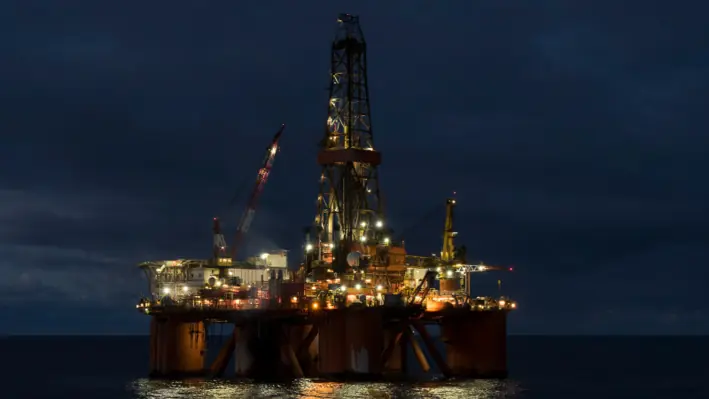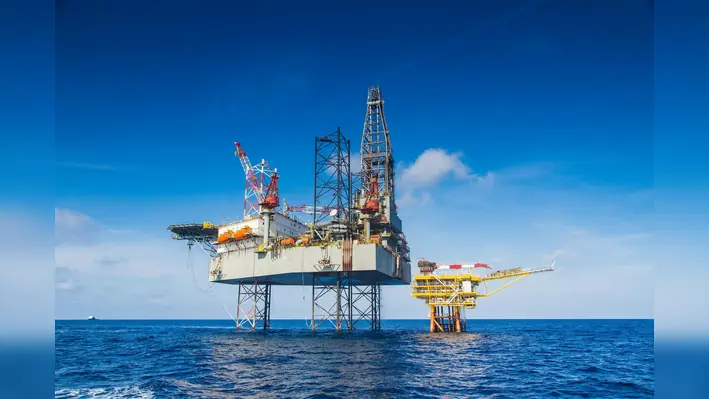
Malaysia is entering a significant phase of offshore decommissioning as numerous ageing oil and gas platforms in the South China Sea reach the end of their operational lives.
PETRONAS is leading the effort to safely retire these installations through a combination of full removals, well plug and abandonment (P&A) operations, and selective repurposing.
As of May 2026, PETRONAS Carigali is progressing a major tender for the removal of up to 31 offshore platforms.
The tender, which covers structures ranging from approximately 100 tonnes to 15,000 tonnes, is expected to be awarded in packages across Sarawak, Sabah, and Peninsular Malaysia.
Industry contractors have shown strong interest in the work, which forms part of a broader programme to address ageing infrastructure.
Well abandonment activities are also advancing.
In early 2026, T7 Global Berhad, through its subsidiary Tanjung Offshore Services, completed well abandonment operations at the Zuhal East field.
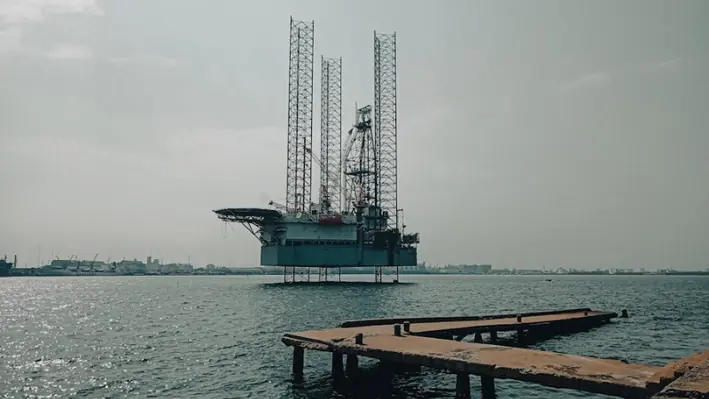
Separately, HELMS Geomarine carried out geotechnical drilling campaigns in Sarawak waters between late January and late March 2026 to support jack-up rig operations for future P&A work.
PETRONAS has a track record in rigs-to-reefs (R2R) projects.
Since 2004, five offshore platforms have been successfully converted into artificial reefs, including Baram-8 in Sarawak and structures offshore Terengganu.
These projects aim to support marine biodiversity while meeting environmental requirements.
However, current plans emphasise a case-by-case approach, with options for complete removal, partial decommissioning, or repurposing depending on technical, safety, and regulatory factors.
In its Activity Outlook 2026-2028, PETRONAS highlighted expanded well decommissioning and intervention programmes.
The company has established a Hydraulic Workover Unit (HWU) Academy to develop local expertise and position Malaysia as a regional centre for decommissioning services.
Discussions at OTC Asia 2026 in Kuala Lumpur focused on technology adoption, cost optimisation, and environmental compliance in offshore decommissioning.
Approximately 35 platforms in Malaysian waters are more than 40 years old, and industry estimates suggest substantial decommissioning expenditure over the coming decade.
All activities fall under the oversight of PETRONAS Malaysia Petroleum Management, which requires detailed decommissioning plans covering safety, structural integrity, and seabed restoration where full removal is selected.
The current wave of activity reflects maturing fields and the need to manage end-of-life assets responsibly.
While large-scale platform removals remain in the tender and planning stages, the pace of preparatory work and early contracts indicates that execution will increase in the coming years.
Malaysia's offshore decommissioning programme is expected to serve as a reference for other countries in Southeast Asia facing similar challenges with ageing infrastructure.
PETRONAS continues to stress the importance of balancing cost efficiency with environmental responsibility in all offshore abandonment projects.