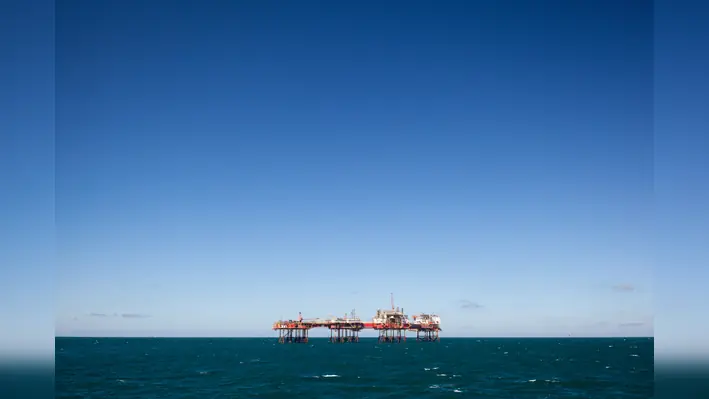
 In its Annual Report for 2025, Australia's Santos outlines its structured approach to decommissioning, with a focus on best practice in environmental management, safety and community engagement, and plans that address its decommissioning obligations, including regulatory and sustainability requirements.
In 2025, the company embedded the Decommissioning Project Process and Technical standards throughout its regional business units, for safe and efficient project delivery.
Attention is focused on decommissioning right from the outset, and continues throughout the project lifecycle, with decommissioning strategy and cost estimates defined as part of project investment decision. The decommissioning strategy, plan and cost estimates are updated regularly throughout the asset production phase and incorporated into operation and maintenance plans and budgets. The decommissioning plan addresses regulatory requirements, joint venture agreements, timing constraints, cost estimates, opportunities and risks.
Ten years prior to the cessation of production, opportunities are explored for asset repurposing, divestment or field life extension. With a focus on the repurposing of assets towards CCUS and other decarbonisation opportunities as part of the company’s commitment to sustainability and responsible asset management, Santos seeks to identify alternative uses for wells, infrastructure pipeline and facilities which have reached the end of their operational life, and actively assesses reservoirs and wells for their suitability for long-term CO2 storage. (For example it has repurposed reservoirs to support CO2 storage for the Moomba CCS project). It also looks at repurposing pipelines and processing facilities for new energy projects, such as transporting low carbon fuels.
Five years prior to production cessation, the company initiates the decommissioning process and develops a decommissioning plan.
After the cessation of production, decommissioning projects are executed following due processes and in accordance with regulatory requirements, with a focus on minimising environmental impact, restoring ecosystems or adapting them for reuse, and addressing residual environmental risks through post-decommissioning monitoring and mitigation. Platform, pipelines, subsea infrastructure and other facilities are decommissioned according to the approved environmental plan (EP).
Santos stresses its commitment to engaging local communities and stakeholders in decommissioning planning and activities, keeping them informed and involved, to enable transparency and social licence to operate, as well as to facilitate the management and mitigation of potential impacts.
The company also plays an active role in shaping industry-wide decommissioning practices, and influencing the future of decommissioning in Australia.
In its Annual Report, Santos also provides an update on specific decommissioning projects, including the safe decommissioning of wells in the Mutineer-Exeter-Fletcher-Finucane well decommissioning campaign, including the recycling of waste materials; the successful disconnection and recycling of the Ningaloo Vision FPSO in the Van Gogh-Coniston-Novara field; preparatory works for the removal of Harriet Alpha platform; support to non-operated joint ventures; and progress of decommissioning in the Cooper Basin.