Aker BP and DeepOcean have carried out an advanced subsea operation without sending key personnel offshore
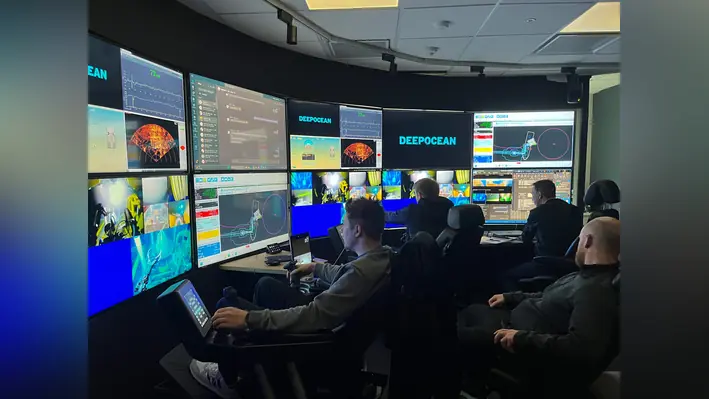
A task that previously required up to two weeks of offshore activity was completed in around 12 hours, with operations controlled from a Remote Operations Center in Haugesund.
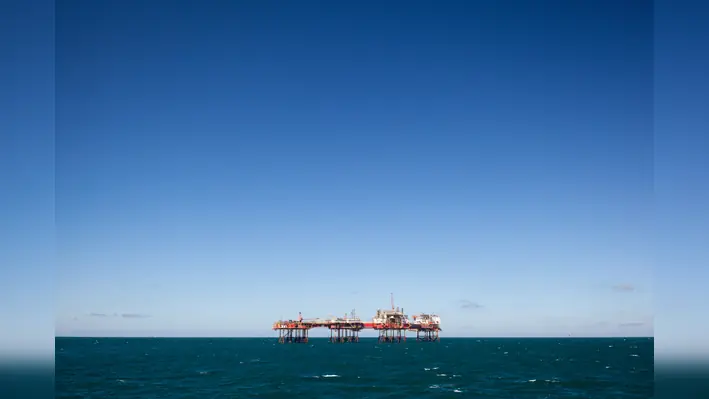
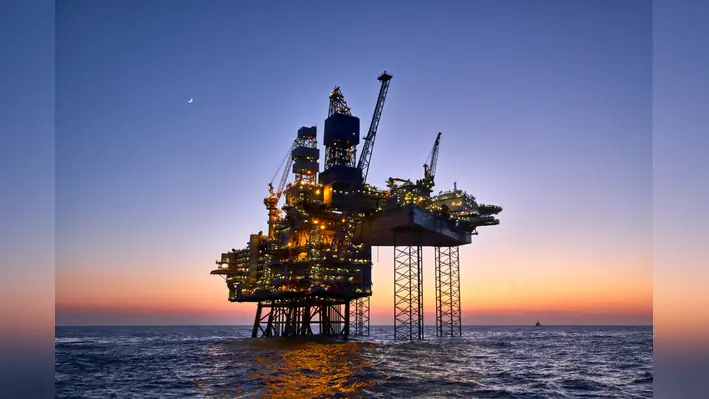
The milestone was achieved at the Idun Nord field in the Skarv area of the Norwegian Sea, where a subsea well was stabilised hundreds of metres below the surface without engineers travelling offshore.
Remote technology transforms subsea intervention
Together with strategic partner DeepOcean, Aker BP completed the well intervention operation using remote technology. The work involved stabilising the well by filling the borehole with gravel, an activity carried out as part of inspection, maintenance and repair (IMR) operations.
The vessel Dina Star was initially mobilised to map the seabed around the Skarv area and was not originally planned for intervention work. To enable the operation, Aker BP transferred the complete operational management process to shore.
From the Remote Operations Center in Haugesund, the team coordinated activities onboard Dina Star in real time. The subsea work was performed by a remotely operated vehicle (ROV), which was also controlled from shore.
Advanced technology and stable communication solutions enabled the onshore team to work closely with offshore personnel throughout the operation.
Improving efficiency through remote operations
The remote subsea intervention highlights how digital technologies can improve offshore efficiency while maintaining safety and operational control.
“We greatly value our collaboration with DeepOcean in developing remote operations. This is a strong example of our ambition to increase efficiency by optimizing the use of vessels and personnel, while maintaining a strong focus on safety and operational control,” commented Jarle Marius Solland, Operations Manager Subsea Execution & Survey at Aker BP.
Solland highlighted several benefits of the approach, including fewer personnel being sent offshore, improved access to specialised expertise across multiple projects, more flexible planning and reduced time and costs.
Although this is the first operation of its kind, Aker BP expects remote working methods to become increasingly important in future offshore activities. Greater control from shore could enable more specialists to contribute to advanced operations without travelling offshore.
A step towards the future of offshore operations
For Aker BP, the remote subsea operation supports its strategy of integrating drones, robotics and remote technologies into offshore activities.
“Aker BP’s operating strategy involves drones and robots on platforms and subsea (ROVs) being an integrated part of observation, inspection, and task execution offshore. These technologies will operate autonomously or via remote control, either locally or from shore,” says Thomas Øvretveit, SVP Operations at Aker BP.
“The successful advanced remote ROV operation in the Skarv area in the Norwegian Sea confirms that we are well on our way to delivering on our strategy as the oil and gas company of the future,” Øvretveit adds.