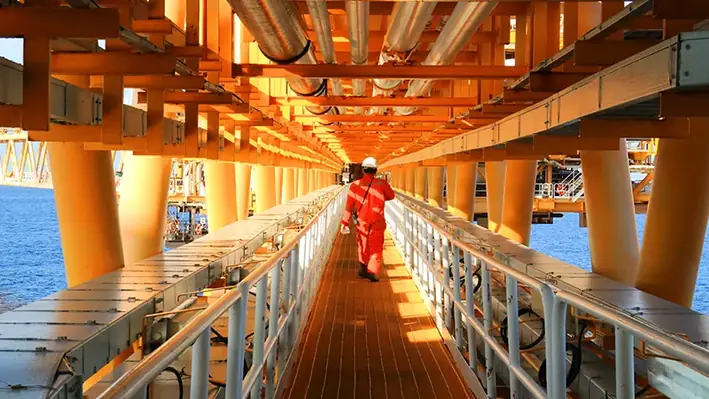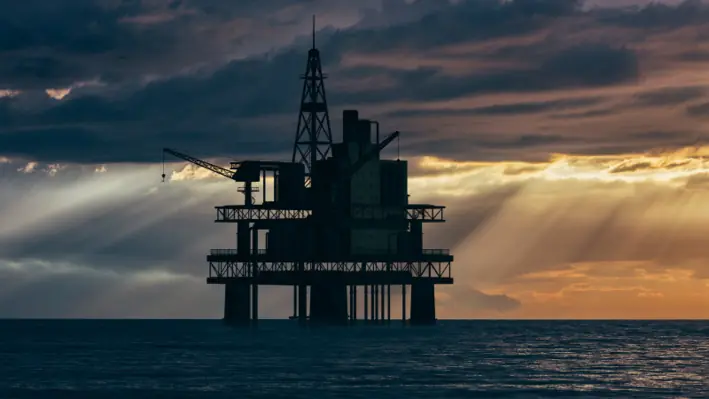
 The deep waters off the coast of Egypt are witnessing a quiet revolution in subsea engineering, as heavy, corrosive steel makes way for lighter, more sustainable composite technologies.
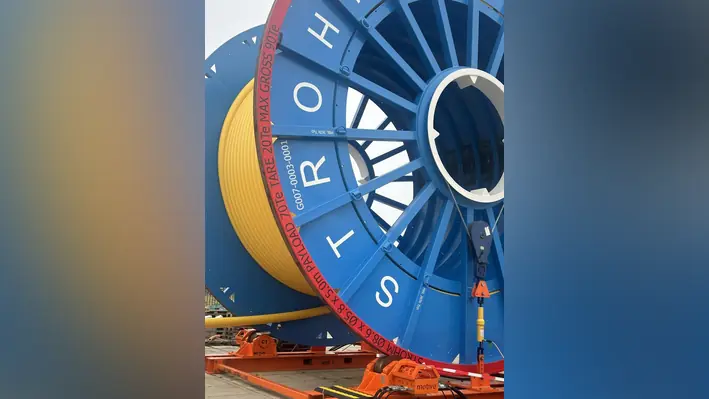
For the first time in the region, advanced thermoplastic composite pipe (TCP) technology is being deployed to modernise offshore infrastructure. Leading TCP manufacturer Strohm has secured a landmark contract to supply a 2,000-meter flowline for one of the West Delta Deep Marine (WDDM) projects. Operated by the Burullus Gas Company, a joint venture uniting EGAS, Shell, and Petronas— this project signals a significant shift in deep-sea energy logistics.
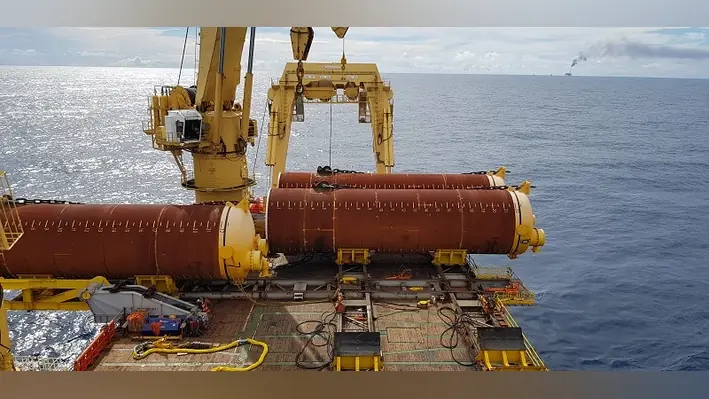
The new flowline, engineered with carbon fibre and PA12 polymer, is designed to withstand extreme subsea conditions with a pressure rating of 5,000psi and is qualified to the DNV-ST-F119 standard. Resting at depths of nearly 600 meters, this state-of-the-art system is actively replacing an existing steel flowline. The TCP technology offers a striking environmental and logistical edge over its predecessor: it is inherently strong, non-corrosive, spoolable, and lightweight. Crucially, the material is 100% recyclable and drastically reduces the carbon footprint of subsea operations by allowing installation from small vessels or subsea pallets rather than energy-intensive specialised installation ships.
The installation itself, managed by Oceaneering International, will employ a cost-effective 'horizontal lay' method utilising a multi-purpose vessel to maximise efficiency. Norman Lentsch, Strohm's Business Development Manager for Africa, recognises the strategic importance of this regional debut. “This contract marks an important milestone for us as we enter the Egyptian market for the first time. We are proud to work with Oceaneering International and Burullus Gas Company as we support the region's growing energy infrastructure needs with our high-quality flowline solutions,” he said.
He further emphasised the industry's growing trust in this innovative material, saying, “Our entry into the local market underscores the confidence operators have in our TCP products, our extensive track record and our ability to deliver consistent quality and performance. We look forward to demonstrating Strohm's commitment to safety and excellence.”
The partnership with Oceaneering brings critical installation expertise to the table, further optimising the project's bottom line. Chris Dyer, Senior Vice President at Oceaneering's Offshore Project Group, detailed how their existing capabilities create seamless project execution. Dyer said, “At Oceaneering, we have extensive experience installing flexible products, including TCP. By leveraging our umbilical product installation capabilities to support TCP installations, we can maximise our assets globally and streamline project execution, providing tangible benefits to the end user in overall project cost and schedule."
By moving away from traditional steel toward next-generation composite pipes, this Egyptian deployment acts as a blueprint for the future of offshore energy, where flexibility, carbon reduction, and cost efficiency guide deep-water development.