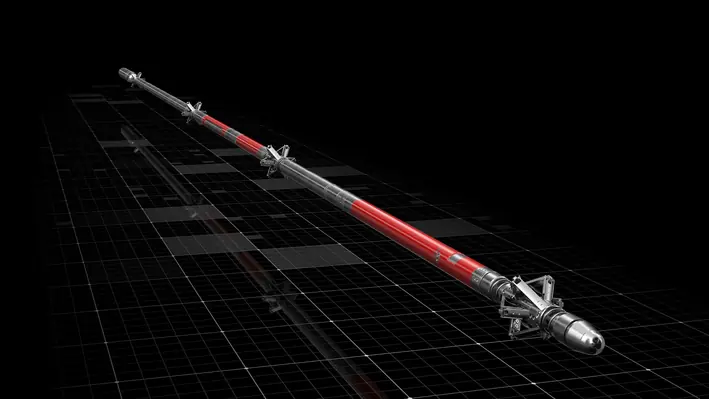
 Halliburton has introduced its IntelliTTCE service, a through-tubing cement evaluation solution designed to help operators verify zonal isolation before plug and abandonment (P&A) operations.
The service assesses barrier integrity ahead of abandonment, enabling operators to avoid unnecessary tubing retrieval and develop P&A campaigns based on actual well conditions.
Traditional cement evaluation methods often involve removing tubing and mobilising a rig before operators can establish the condition of cement and assess well integrity. This can leave critical information unavailable during the initial stages of P&A planning.
Halliburton's IntelliTTCE service addresses this challenge by evaluating cement through existing tubing and providing diagnostic information before resources are mobilised. This allows operators to assess well conditions earlier and make more informed decisions about intervention requirements.
"Reliable well data early in project planning helps operators define intervention strategies with greater certainty. IntelliTTCE service brings that evaluation to the front end of the process and helps customers make better decisions around actual well conditions rather than preliminary assumptions,” said Chris Tevis, vice president, Wireline and Perforating, Halliburton
The service integrates two independent deterministic evaluation methods with high-resolution azimuthal cement mapping to characterise cement conditions behind the pipe. Developed for offshore P&A applications, its physics-based through-tubing evaluation approach is designed to deliver consistent and repeatable diagnostic results.
By providing an earlier assessment of cement and barrier integrity, IntelliTTCE service helps operators shift from contingency-based planning towards strategies informed by actual well conditions. The evaluation findings can guide the scope and sequencing of subsequent P&A intervention activities, giving operators greater confidence in well conditions before making key project decisions.