 Conrad Asia Energy has secured a rig in support of its work in the development of the Mako gas field, offshore Indonesia— a market it believes holds immense long-term growth potential.
This could translate into a wealth of opportunities for offshore service providers, well intervention companies and other specialists, as the market evolves.
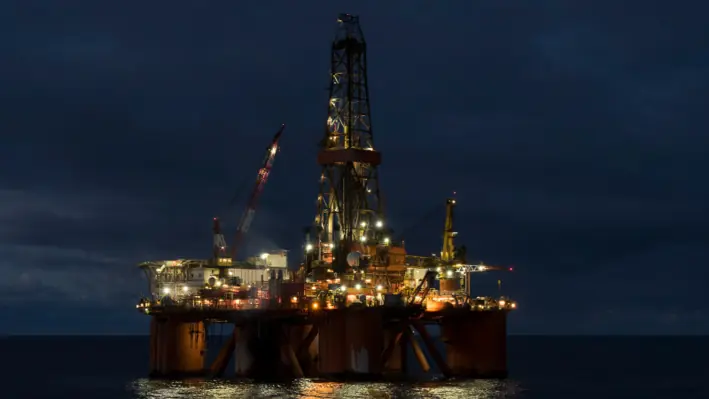
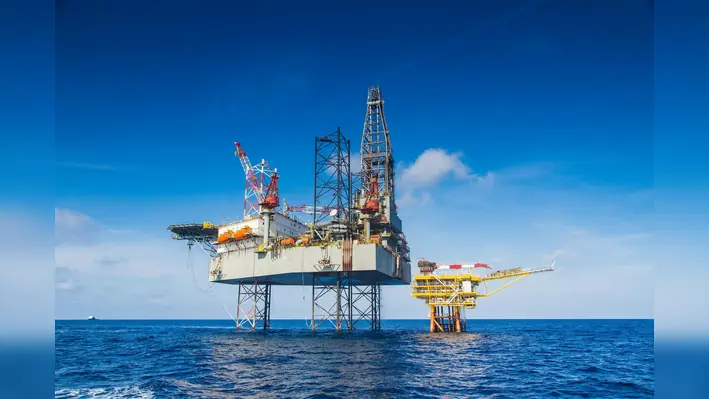
The Asia-focused gas exploration and development company reported that its subsidiary, West Natuna Exploration Limited (WNEL), signed a binding contract with PT Pertamina Drilling Services Indonesia for the provision of the Admarine 502 jack-up rig.
WNEL is the operator of the Duyung PSC in the Natuna Sea, offshore Indonesia.
The scope of work includes the drilling of six development wells and the installation of the Conductor Support Frame (CSF) on the offshore site and is set to commence in Q2 2027.
Conrad Managing Director and CEO, Miltos Xynogalas, said it represents “a critical milestone” for the Duyung PSC joint venture team as the project advances toward Mako drilling.
The Mako project is structured as initially comprising six development wells tied back to a leased Mobile Offshore Production Unit (MOPU).Sales gas will be transported via a 59 km 18-inch pipeline to the KF platform in the adjoining Kakap PSC, then through the WNTS pipeline for delivery to the domestic market.
Details have also been released regarding the formal contract signing for a Subsea Umbilical, Flowline, and Riser EPCI contract with PT. Timas Suplindo.
Total capex to first gas is estimated at US$320mn (100%), according to Conrad Asia Energy, while future operating costs are targeted at US$70-80mn (100%) per annum, including pipeline transportation costs.
Xynogalas also said in a 16 June 2026 AGM update that Indonesia looks set to be a strong market for the energy industry for the foreseeable future.
The fourth most populous country on earth, forecasts suggest that Indonesia's gas demand will increase by more than 60% over the next decade — from approximately 1,600 to 2,600 million standard cubic feet per day.
“The country is diverting LNG exports back to the domestic market because it needs the gas at home,” he said.
“The government has placed domestic gas prioritisation at the centre of its energy policy. Conrad's gas is exactly what Indonesia needs for its energy security.”