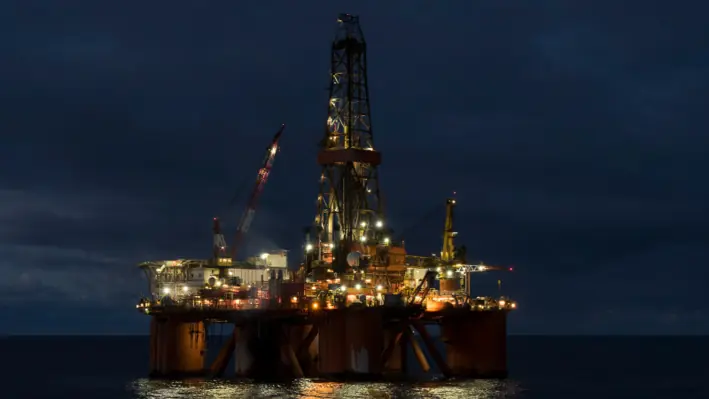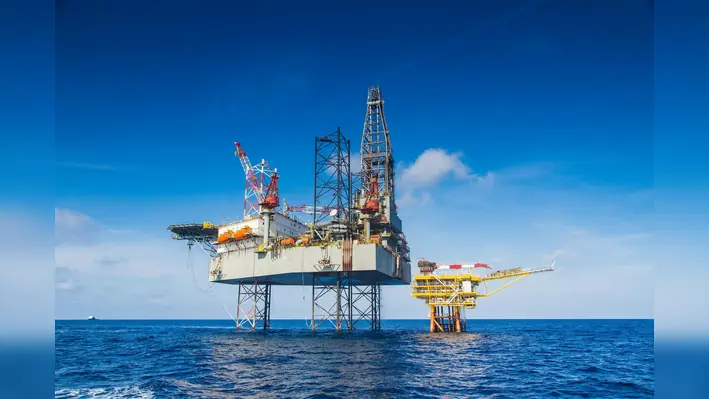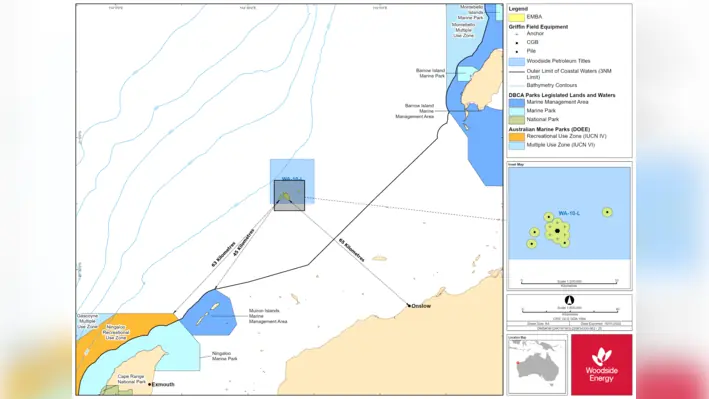
The Federal Government has stepped in to ensure the abandoned Cliff Head platform off the West Australia coast remains in a safe condition, following the entry of its owners into administration in July.
Federal Resources Minister Madeleine King authorised taxpayer funding to maintain the rig, with her office giving assurances that all costs to government would be recovered from the industry.
Triangle Energy entered administration faced with estimated decommissioning liabilities for the Cliff Head oilfield and associated infrastructure of $200mn after its partner, Pilot Energy entered administration having failed to secure funding to buy out Triangle’s stake in the joint venture.
Echoes of Northern Enveavour scenario
The case has echoes of the Northern Endeavour scenario, when in 2020 the government took over responsibility for decommissioning and remediating the Northern Endeavour FPSO and its associated infrastructure, after its owner went into liquidation. Six years later, the work is still ongoing. Since then, various reforms have been implemented to ensure operators carry out their decommissioning obligations and prevent a similar event occurring again. The Federal Government also imposed a levy on the Australian petroleum industry to cover the Northern Endeavour decommissioning costs.
Conservation Council of WA (CCWA) Executive Director Matt Roberts said taxpayer funded maintenance of the Cliff Head Oil platform would have been avoided by stronger oil and gas decommissioning laws.
“The Federal Government should not be using Australian taxpayer money to maintain the fossil fuel industry’s abandoned infrastructure.
“What we need now is a clear plan and timeline to recover these funds from industry and meaningful, legislated changes to avoid this happening again in the future.”
Noting that the Federal Government is planning reforms to decommissioning legislation he added, “With $60 billion in decommissioning liabilities sitting offshore across Australia to be worked through in the decades ahead, we must get these reforms right.”
Law firm Clyde & Co, in an article on its website comments, “It appears that Triangle's collapse, and the current uncertainty surrounding responsibility for the Cliff Head decommissioning, is a consequence of matters which occurred under the pre-reform regulatory regime rather than a failure of the current regulatory regime.
“Triangle and Pilot’s acquisition of the Cliff Head oil field and its associated infrastructure occurred before the Walker Review reforms and in circumstances where the pre-reform regulatory regime did not provide for adequate regulatory oversight. It remains to be seen whether any other late-life offshore assets acquired by smaller operators under the pre-reform regime will emerge with solvency concerns as production ceases and decommissioning liabilities crystallise.
“It may be that the original developers of Cliff Head avoid decommissioning liability in this instance due to limitations on the retrospective effect of the trailing liability reforms.”
Clyde & Co added that the expanded trailing liability regime means that the regulator may also look to related persons where appropriate with respect to decommissioning, as well as the two companies concerned.
“Triangle and Pilot’s collapse may cause regulators, financiers and project proponents to scrutinise more closely whether adequate security or funding arrangements are in place to meet both operational and eventual decommissioning liabilities for late-life offshore assets,” Clyde & Co concluded.