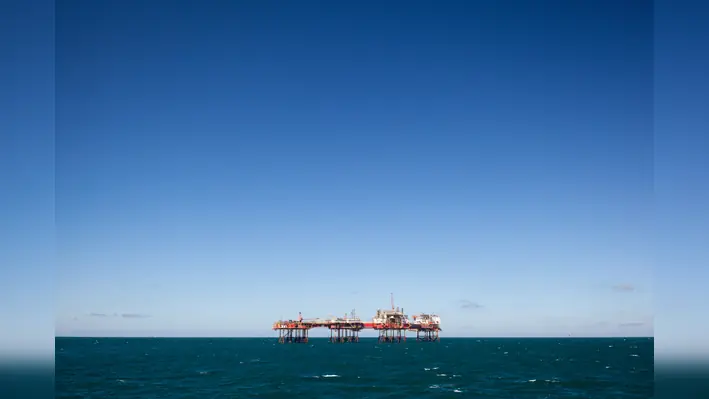
 Decommissioning needs to be planned well before an asset reaches the end of its operating life, with well integrity, clear accountability, collaboration and safety and environmental outcomes built into the process from the outset.
That’s the view of Sue McCarrey, CEO of NOPSEMA, Australia’s offshore regulator, writing in the latest issue of the in-house journal The Regulator.
The September issue of The Regulator highlights how Australia is moving into a new phase of offshore asset retirement, with decommissioning no longer a future consideration, but instead an immediate industry priority.
“Decommissioning is another area of growing importance as Australia’s offshore petroleum industry moves into a new phase of asset retirement,” writes McCarrey.
Navigating this key challenge — including well integrity, early planning, accountability and transparency, and greater collaboration across industry — will be essential to success.
“Successful decommissioning depends on these issues being considered well before the end of an asset’s operating life, with safety and environmental outcomes remaining central throughout.”
The journal includes an article on NOPSEMA’s attendance at the 2026 Decommissioning and Abandonment Summit, which explores some of the challenges and opportunities ahead.
Health and safety is another central theme of the journal, which again is integral to a successful decommissioning process.
It also looks at the growth of the renewables industry in Australia, and the increase in lifting incidents in recent years.
Across each of these areas, the common thread is preparedness, learning and continuous improvement, according to McCarrey.
“Whether managing established risks or responding to new ones, strong outcomes depend on duty holders understanding their risks, engaging their workforce and taking action before problems arise.”