Australia’s offshore energy sector stands at a monumental crossroads.
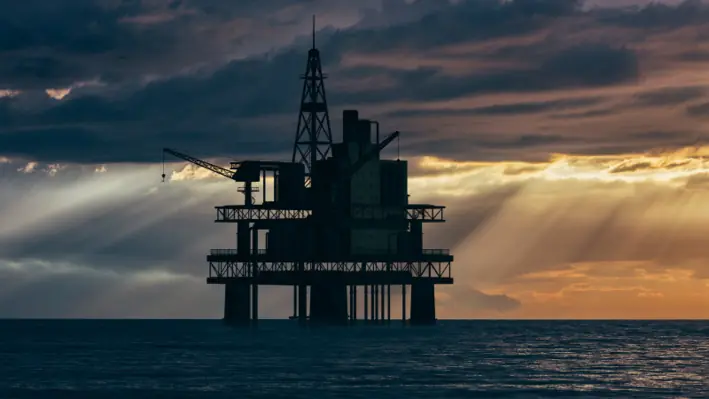
Beneath the churning waves, an industrial transformation of unprecedented scale is underway. Australian operators and regulatory bodies face an incredibly complex dual mandate as the world pivots away from fossil fuels towards a sustainable future. They must safely decommission a sprawling network of ageing petroleum assets whilst simultaneously accelerating the deployment of new offshore renewable energy infrastructure.
The Burden of Ageing Maritime Infrastructure
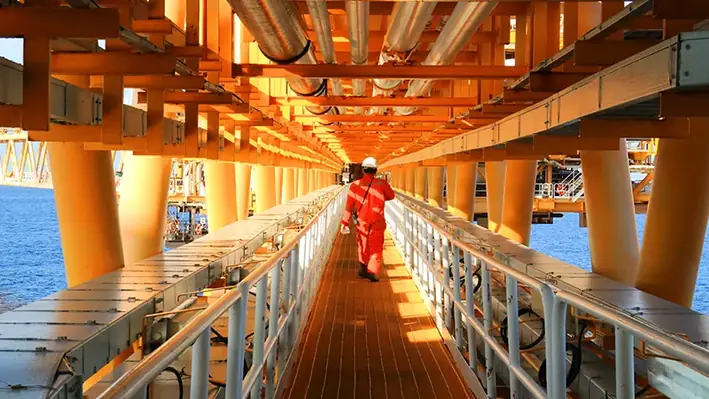
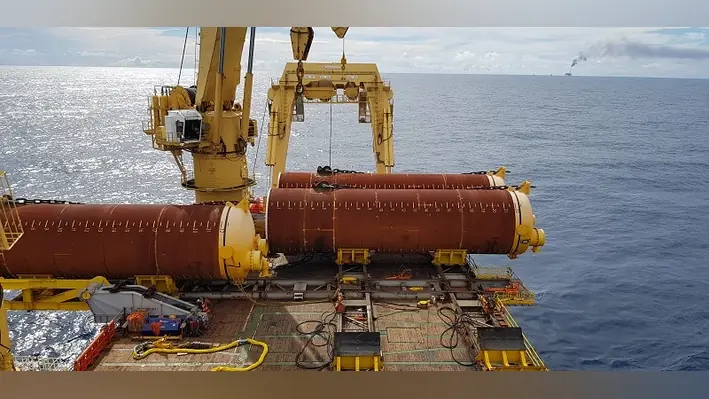
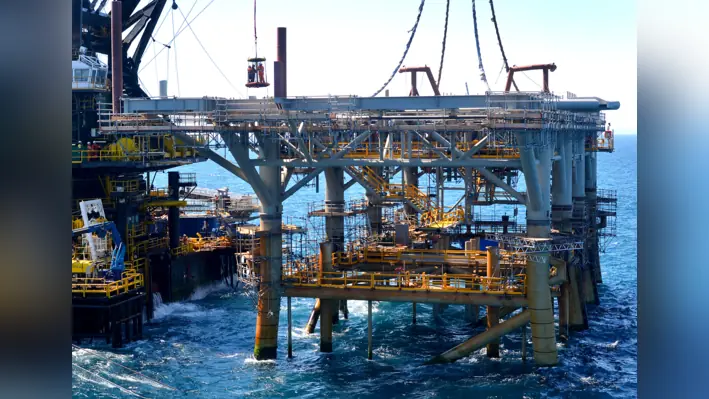
To grasp the magnitude of this transition, one must look at the physical footprint of Australia's legacy installations. The condition of this infrastructure is defined by its advancing age. Today, more than half of the nation's offshore petroleum assets have been operating for over twenty years, with several facilities exceeding half a century. This aging architecture encompasses over 1,000 wells, various floating and fixed facilities, and nearly 5,000 kilometres of subsea pipelines. As these stalwarts of the fossil fuel era reach the end of their productive lives, the sector faces a colossal wave of decommissioning. The financial liability for safely dismantling these structures over the next fifty years is staggering, estimated between US$30bn and US$50bn.
The Renewable Energy Dawn
As traditional oil and gas strongholds like the Gippsland Basin grapple with declining reserves, a dynamic new era of offshore production is taking shape. To facilitate this, the Australian Government implemented a forward-thinking regulatory framework via the Offshore Electricity Infrastructure Act 2021. This legislation paves the way for the construction, operation, and maintenance of modern marine energy projects. The sector's focus is shifting rapidly towards large-scale commercial offshore wind farms, designated in specific zones to underpin the national energy transition. Feasibility licences are also being explored for alternative marine energies, including offshore solar and wave energy plants. For operators, this creates a delicate balancing act: winding down legacy infrastructure whilst applying deep-sea expertise to construct sustainable energy hubs.
Managing these ocean-bound assets through such a profound transition introduces severe integrity challenges. One pressing risk occurs when production ceases but physical dismantling has not yet begun. During this precarious timeframe, assets enter a highly vulnerable "twilight period." Stripped of human presence, uncrewed platforms and dormant pipelines become exceptionally susceptible to inadvertent damage from routine maritime traffic, such as commercial fishing trawlers. These undetected collisions frequently result in dangerous "silent incidents". Furthermore, recent data reveals that nearly 25 per cent of all offshore wells suffer from some form of well integrity issue. If not rigorously monitored and remediated, these abandoned wells pose a severe hazard to the marine ecosystem.
Compounding these physical risks is a lack of local decommissioning precedent. Unlike the mature markets in the North Sea or the Gulf of Mexico, Australia's decommissioning industry remains in its infancy. This lack of regional experience, exacerbated by specialised equipmencanvat shortages and a fragile supply chain, inflates the risk of budget overruns and safety breaches. Crucially, human factors are taking centre stage. Regulators like NOPSEMA have elevated psychosocial health to a national priority, placing it on par with physical safety protocols. The rationale is clear: effective decision-making under immense pressure is vital for preventing technical failures in these hostile environments.
Forging a Future-Proof Strategy
To safely navigate these risks, operators must urgently adopt dynamic, technology-driven asset integrity management strategies. This approach demands enhanced maritime intelligence, utilising real-time vessel tracking to monitor behavioural patterns around unattended, late-life installations. By anticipating maritime traffic, operators can actively prevent costly collisions. Additionally, integrity strategies must mandate rigorous post-production monitoring for plugged and abandoned subsea wells, extending strict oversight through the entire asset lifecycle.
Risk profiles must remain highly adaptive, ensuring protocols guarantee that risks are maintained "As Low As Reasonably Practicable" (ALARP), heavily relying on remote monitoring and automated alert systems. Success hinges upon collaborative knowledge sharing. By working intimately with NOPSEMA, the Offshore Infrastructure Regulator, and adopting international best practices, Australia can protect its marine environments whilst ensuring commercial viability in a radically transformed energy landscape.