 ExxonMobil Australia Chair, Simon Younger, outlined the state of play in the company’s decommissioning efforts in the Gippsland Basin during a recent industry event.
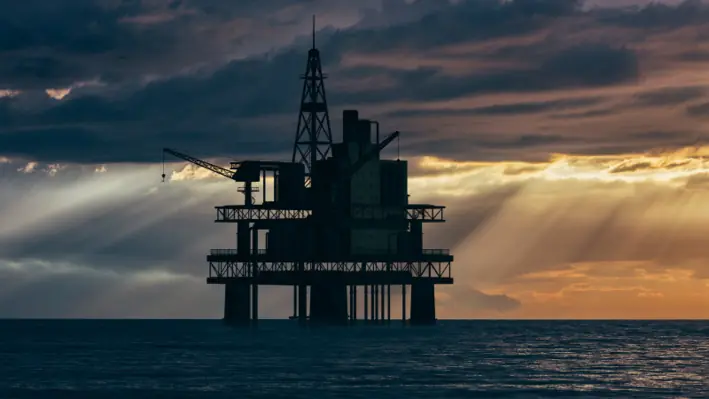
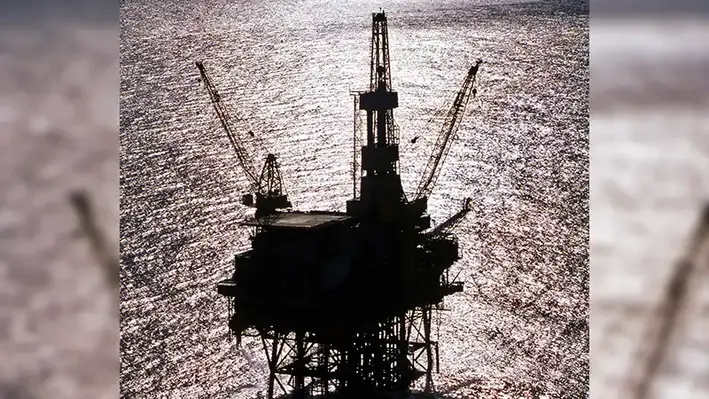
He said the company is committed to “responsibly decommissioning” a number of offshore facilities that are no longer producing oil and gas, highlighting the global significance of the project off the coast of Victoria.
“You may be surprised to learn that Victoria is home to Australia’s largest decommissioning project, and ExxonMobil’s largest decommissioning project globally, a multi-year, multi-billion dollar programme of works,” he noted.
Younger was speaking at an event to mark ExxonMobil Australia’s 130 years in the country.
From humble beginnings as the Vacuum Oil Company (later known as Mobil Oil Australia) selling a barrel of cylinder oil to a Bendigo Goldmine from its Melbourne office back in 1895, 130 years later it has grown to become one of Australia’s most critical energy suppliers.
The event also celebrated 60 years of its membership to the Committee for Economic Development of Australia (CEDA), an independent, member-based public policy think tank.
“So far we’ve safely completed over $2.5 billion of early works across our offshore operations, including the permanent sealing of more than 200 wells,” said Younger.
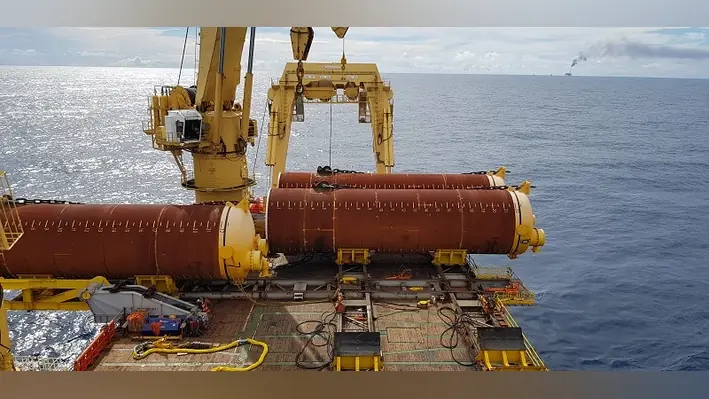
All this work, he added, is in preparation for the arrival of the world’s largest construction vessel, the Allseas Pioneering Spirit, in 2027.
“This mammoth vessel, which is as long as almost 3 MCG fields laid end to end, will travel from Norway to start removal of the 12 retired offshore facilities in Bass Strait and deliver them to our Barry Beach Marine Terminal in Southeast Gippsland, where they will be safely dismantled and recycled.”
After that, the mega project entails a huge and coordinated recycling effort, he noted.
“We plan to maximise recycling of these facilities for a second life and minimise the number of materials processed as waste,” said Younger.
“In fact, our aim is to recycle more than 95% of the mostly steel material from our oil and gas structures. Most of the steel will either be sent offsite in trucks, or via ships for onward transportation to recycling facilities.”
At the same time, Younger noted that ExxonMobil Australia remains committed to supporting the reliable supply of gas from the Bass Strait into the 2030s.
Over the last decade, it has invested almost a billion dollars in the Gippsland Basin.
These investments include the Kipper 1B project, which started up last month, the Kipper Compression Project, and the West Barracouta project, which came online in 2021.
“And right now, in conjunction with our joint venture partner Woodside Energy, we are investing $350 million to develop the Turrum Phase 3 project, which will further bolster supplies of Gippsland gas to the east coast domestic market by 2027,” he said.
“Turrum Phase 3 will be one of the largest gas developments on the east coast and means our Gippsland operations are set to continue powering Australian homes and businesses well into the next decade.”