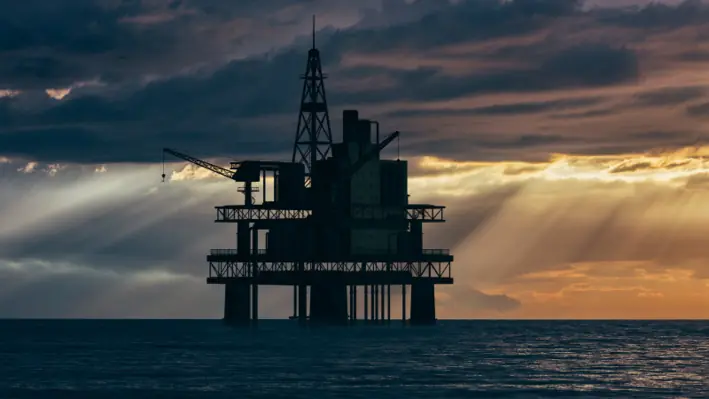
 A major milestone in offshore energy has been reached by Aker BP, as it successfully deploys a new well stimulation method for the first time at the Valhall field.
The approach, known as “Single-Trip Multi-Frac”, marks a shift in how reservoirs can be treated more efficiently beneath the seabed.
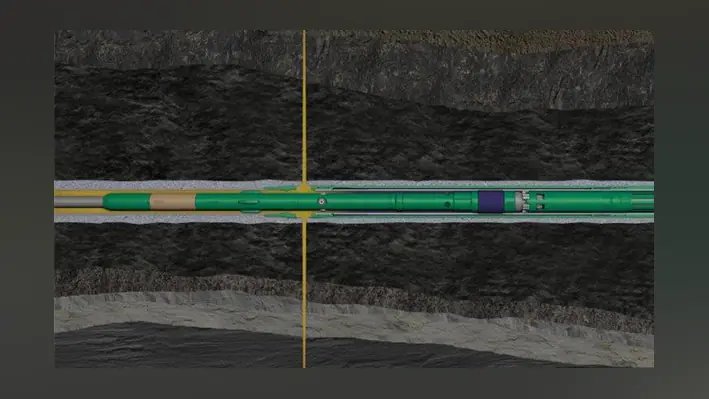
Traditionally, stimulating a reservoir zone has been a slow and demanding process, often taking two to three days for just one section. Now, with this new technique, multiple zones can be fractured in a single trip down the well. This is made possible through a sleeve mechanism installed in the well completion, allowing operators to open and close sections without pulling equipment out each time.
“The traditional method takes two-three days to fracture a single zone of the reservoir. With ‘Single-Trip Multi-Frac’, we can now do two zones in a day. We also see a potential for doing this more efficiently,” says Stian Ø. Jørgensen, head of the the Well Intervention and Stimulation Alliance in Aker BP.
The benefits are clear. Reduced time spent on operations means lower reliance on vessels and equipment, cutting costs significantly. It also allows wells to come into production sooner.
“The new method will make implementation of several projects possible,” says Tommy Sigmundstad, SVP Drilling and Well in Aker BP. “It provides more flexibility; we spend less time per well, and it decreases the unit cost of the operations. In turn, this results in a reduced price for the stimulation and we can bring the well on stream earlier compared with the conventional stimulation method that has been used. Therefore, we see a substantial upside through use of this stimulation method,” he added.
At Valhall, where chalk formations limit natural flow, stimulation has always been essential. The new method simplifies the process by allowing continuous operation, eliminating the need to repeatedly remove coiled tubing.
Despite being common onshore, adapting this technique offshore at depths of 3,500 metres required years of effort. Collaboration with Schlumberger, Stimwell Services, and NCS Multistage played a key role in overcoming technical challenges.
Valhall has already produced one billion barrels since 1982, and with innovations like this, the ambition to double that output looks increasingly achievable.