
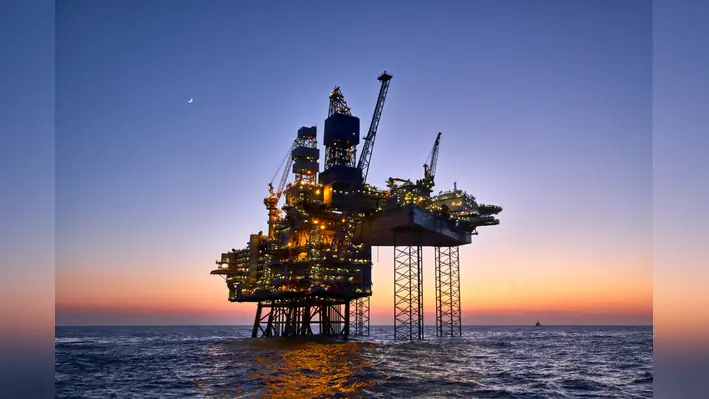
Norwegian energy group Equinor confirmed that it has discovered new gas reserves at the Gullfaks South field in the North Sea.
Rather than relying solely on frontier exploration in untested waters, energy operators in the North Sea have increasingly focused on maximising recovery near existing hubs. When new volumes are identified within the reach of active platforms, the pathway from discovery to extraction becomes substantially more straightforward. This latest announcement at Gullfaks South exemplifies how targeted exploration around long-standing assets can yield immediate operational value for the wider offshore sector.
Assessing the Gullfaks South resource volumes
In an official statement detailing the outcome of the evaluation, Equinor noted that the discovery holds between 0.5 million and 1.6 million standard cubic metres of recoverable oil equivalents.
Maintaining steady throughput at mature offshore installations is critical for extending the operational lifespan of the broader field. As reservoir pressures naturally shift over time, introducing fresh gas volumes helps keep topside facilities running efficiently and preserves employment and service activity across the regional supply chain. By confirming that these barrels are commercially sound, the operator underscores the strategic importance of continuous appraisal drilling within established production licences.
Collaborative ownership in the Norwegian Sector
The stewardship of the Gullfaks asset reflects the collaborative joint-venture model that underpins offshore resource management in Norway. As the designated operator of the field, Equinor holds a 51% controlling stake, guiding the technical and operational strategy required to bring the newly discovered gas into the production stream.
The remaining equity is divided between two established partners in the region. Petoro withholds a substantial 30% stake in the licence, whilst OMV Norge holds the remaining 19% interest. Together, the three organisations share both the investment commitments and the commercial returns generated by extending the productive life of the Gullfaks South area. As work progresses to integrate these 3.3 million to 10.3 million barrels of oil equivalent into the field's output schedule, the discovery stands as clear evidence that the North Sea fifty-year-old hydrocarbon province still holds profitable surprises beneath the seabed.