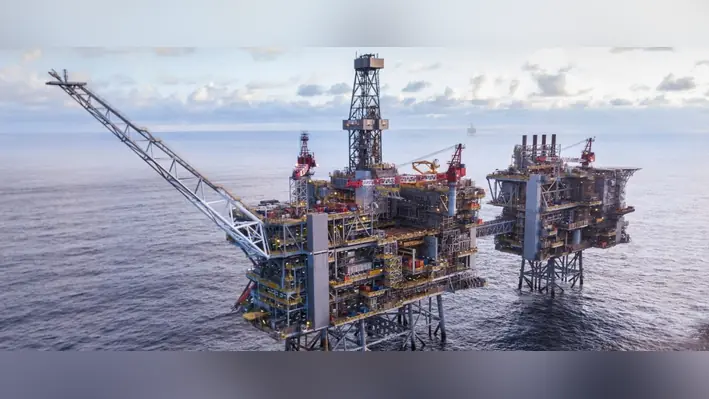
SLB has delivered the first reverse circulation cleanout using the powered downhole measurements system within its ACTive real-time downhole coiled tubing services, in an operation carried out on the Clair Ridge well in the UK North Sea.
The intervention was required by bp to support hydraulic fracturing operations at the field. The well presented a complex set of challenges, including pressure management, multiple zonal isolation requirements and internal diameter restrictions in the lower completion. Conventional reverse circulation cleanouts had offered limited real-time downhole visibility, raising the risk of pressure excursions, inefficient debris removal and nonproductive time.
To address this, SLB deployed a coiled tubing intervention incorporating the ACTive powered downhole measurements system, representing the first application of the technology during a reverse circulation cleanout. Continuous downhole pressure, temperature and casing collar locator measurements allowed for improved pressure management and earlier detection of screenout conditions.
Accurate casing collar correlation supported precise sleeve shifting and pressure testing, reducing the number of confirmation runs required and minimising time spent in the well. Controlled run-in-hole speeds and optimised operating procedures further reduced the risk of tool damage and debris accumulation.
As detailed in SLB’s case study, reverse circulation parameters were adjusted in real time based on downhole measurements, improving sand and proppant recovery while reducing total fluid volumes pumped. Enhanced debris removal at lower return rates supported efficient wellbore cleaning and subsequent post-fracture intervention activities.
Real-time collaboration was enabled through SLB’s InterACT secure wellsite data-delivery solution, improving alignment between offshore and onshore teams and supporting faster decision-making. The integrated approach established a repeatable workflow and benchmark for future offshore well interventions.