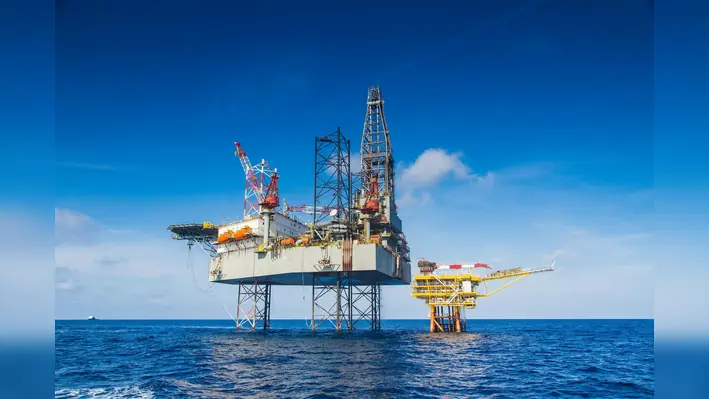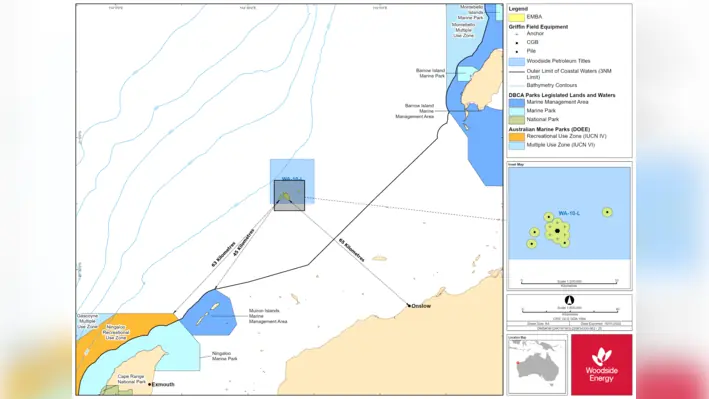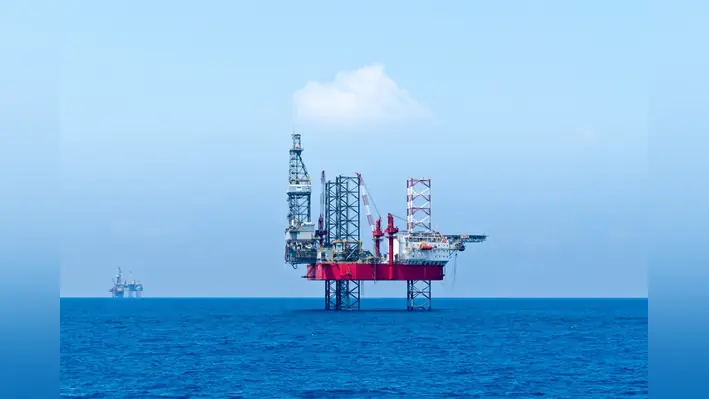
 As digitalisation continues to shape every sector of the offshore industry, decommissioning cannot remain out of its influence. A US$7.2bn market that is projected to see solid growth over the next four years is reflective of the sector's urgency which operators can no longer overlook. The liabilities of decommissioning can be best addressed by choosing the digital path, which will play a significant role in supporting operators by reducing both costs and downtime, even when ensuring safety and keeping project delivery sustainable.
Operators can rely on digitalisation right from the start, whereby they can use an accurate digital model of the targeted platform to determine loopholes that require addressing. This digital model will highlight the extent of damages operators are looking at, from corrosion to storm impact, to name a few, before they formulate the next steps.
Tackling gigantic topsides and jackets can be prone to incorrect cuts when attempted manually. To eliminate such risks, there are digital solutions that generate optimal cutting plan to dismantle structures of several tons into portable numbers. Before beginning the project in person, the virtual run-through will give an idea of user-defined elevations or check the forces that goes behind the sections.
When these huge platforms have to be moved, they have to pass uncertain conditions, including vessel stability, crane capacity and harsh environments. These challenges can be minimised by deploying an integrated software approach which combines structural analysis with hyrodynamic and hydrostatic analysis.
Analysis softwares can also support operators to plan sustainable outcomes of decommissioning, such as the rigs-to-reef programmes. These tools can help gauge whether the structure's final deployment is proper and safe for a lasting period.