 New legislation is on the cards which could serve to advance and streamline the USA’s Rigs to Reefs initiative.
The USA’s Subcommittee on Energy and Mineral Resources has held a legislative hearing on a bill to codify the existing Rigs to Reef initiative which allows oil and gas operators to decommission offshore energy infrastructure which has reached the end of its life, and convert it to artificial reefs.
H.R. 5745, the Marine Fisheries Habitat Protection Act, introduced by U.S. Rep. Mike Ezell (R-Mississippi), formalises and builds upon the Rigs to Reef initiative, which proponents of the bill have argued has been hampered by red tape. The bill establishes clear procedures and timelines to ensure a reliable permitting process and authorizes the Bureau of Safety and Environmental Enforcement (BSEE), in coordination with relevant state agencies, to designate Reef Planning Areas. Finally, the bill directs BSEE to provide a map of each idle structure that supports an established reef ecosystem and an annual report detailing reefing applications and outcomes to Congress, the Secretary of the Interior, and the Administrator of NOAA. BSEE Gulf of America Regional Director Bryan Domangue testified in support of the bill, saying the BSEE is keen to work with lawmakers to improve its provisions.
Subcommittee chairman Pete Stauber, R-Minnesota said, “The Rigs to Reefs program has been a great success story, thanks in no small part to partnerships between domestic energy producers and federal and state regulators and conservation agencies. I commend Representative Ezell for his leadership on the Marine Fisheries Habitat Protection Act, which will strengthen this program, benefiting marine habitat and coastal communities for years to come. I look forward to working with Representative Ezell to advance this important legislation through the Natural Resources Committee.”
However, opponents of the bill expressed the fear it could reduce government oversight, removing key environmental safeguards and allowing oil companies to more easily swerve their clean-up obligations.
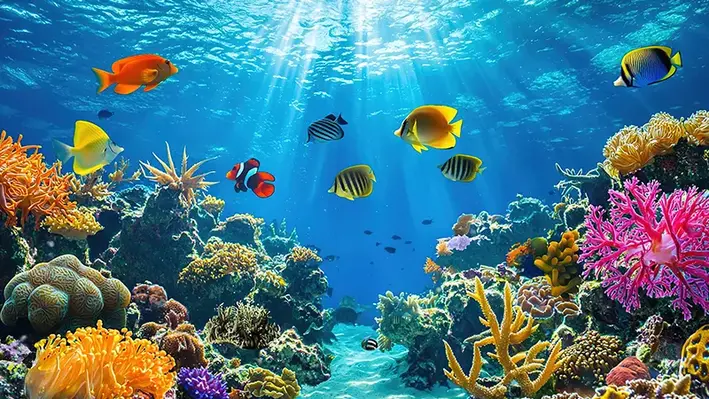
The Gulf of America is one of the leading regions for Rigs to Reefs projects, with 634 platforms in the Gulf of Mexico having been transformed into reefs as of June 2023, according to a Government Accountability Office (GAO) report. Many studies have been conducted by the US Government to examine the impact the reefs have both on the structures themselves and the surrounding marine ecosystem. One benefit is that of marine restoration and biodiversity enhancement – the deployment of artificial reefs in areas that have been affected by situations such as coral bleaching and destructive fishing practices allows new habitats to house a variety of marine life and play a significant contribution to ecosystem restoration.
Other benefits can include the enhancement of fisheries around the localised area; a rise in ecotourism, in particular destination diving; added coastal protection from erosion as the rigs act as submerged breakwaters; advancement in marine research; increased maintenance of nutrient cycling and water quality; contribution to environmentally responsible practices; and coral restoration and conservation.
On the other side of the coin, however, there has been some pushback due to a number of posed risks associated with the process. Concerns include habitat displacement as some reefs can alter local marine habitats; the risk of pollution from improperly prepared materials; physical damage to the seafloor if the design or placement of the rig is not appropriate; damage to the surrounding ecosystem if the construction has not been actioned properly; the negative impacts associated with long-term maintenance of the rigs; the economic costs of reef management; and design flaws which may create conflict with local environmental conditions.