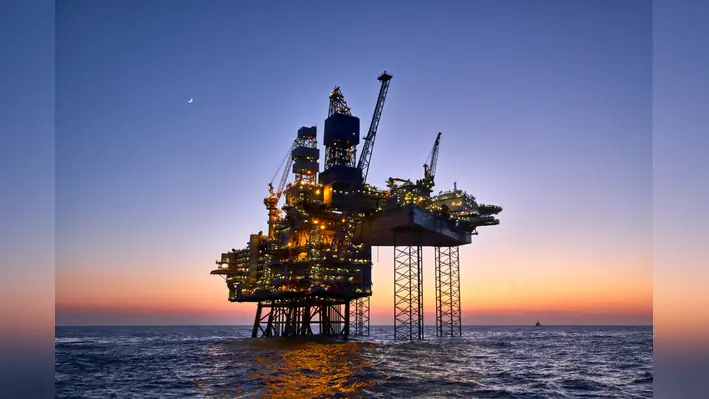
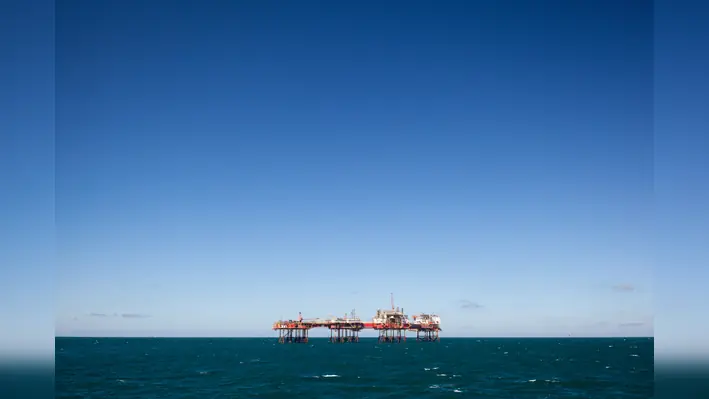
Over the next two decades, thousands of subsea structures, pipelines, and platforms are scheduled to cease operations.
As these massive industrial installations reach the end of their productive lives, regulators, operators, and environmental scientists are confronted with a colossal task: determining the safest, most sustainable methods for managing redundant offshore infrastructure. The financial and environmental stakes are remarkably high, demanding a careful balance between economic feasibility and ecological preservation.
The Global Scale of the Challenge
By 2040, more than 2,500 offshore oil and gas structures will be retired worldwide. Managing this transition requires an extraordinary financial investment, with decommissioning costs projected to reach up to US$13 billion per year. Australia, for example, faces a monumental task in addressing its legacy infrastructure.
This includes:
- An estimated offshore decommissioning liability of US$40.5 billion.
- The plugging and abandonment of approximately 1,000 underwater wells.
- The removal of more than 8,000 kilometres of subsea pipeline, which comprises the vast majority of the anticipated industry expenditure.
Regulatory Requirements Versus In-Situ Alternatives
Under standard regulatory frameworks, the default requirement for operators is the complete removal of all property from the ocean. However, lifting thousands of tonnes of steel and concrete from the seabed is not always the most environmentally sound option. Alternative strategies, such as in-situ decommissioning, are increasingly being evaluated by industry and governments alike. This approach involves leaving some or all of the infrastructure in the marine environment, potentially repurposing defunct platforms into artificial reefs. Such alternatives may be permitted provided they comply with strict domestic regulations and international treaty obligations.
Weighing Ecological Risks and Rewards
The primary objective of any decommissioning strategy is to minimise environmental impacts and reduce risks to a level that is as low as reasonably practicable. In-situ decommissioning can deliver substantial ecological benefits. Over decades of operation, many underwater structures have been colonised by marine life, transforming into thriving artificial reefs that support diverse marine ecosystems. Conversely, leaving industrial materials in the ocean introduces the risk of pollution, such as the potential release of heavy metals or naturally occurring contaminants, which could pose unacceptable risks.
The Role of Marine Science in Decision-Making
To navigate this complex dilemma, regulators and industry leaders require robust, independent scientific data. Organisations such as the Australian Institute of Marine Science (AIMS) play a pivotal role in delivering this vital intelligence. AIMS conducts comprehensive research to understand how marine life interacts with offshore structures at both local and regional scales. Their studies provide the essential evidence needed to assess pollution risks and evaluate how different decommissioning scenarios might influence crucial ecosystem processes, such as population connectivity. Because every marine environment is unique, scientists must determine the most appropriate strategy on a rigorous, case-by-case basis.
Innovative Research and Industry Partnerships
Research institutions collaborate closely with global partners, including the National Decommissioning Research Initiative, to bridge critical knowledge gaps. To study these deep-sea habitats without impeding commercial offshore operations, researchers employ a wide range of innovative methodologies.
Key technologies and methods include:
- Enhanced Remotely Operated Vehicle (ROV) surveys augmented with purpose-built stereo-video cameras.
- Environmental DNA (eDNA) sampling to detect the presence of diverse marine species efficiently.
- Baited remote underwater video stations and fish trapping to monitor local fish populations.
- Controlled aquaria studies, conducted in advanced facilities like the National Sea Simulator, to investigate the impacts of sediments and contaminants on organisms.
- The application of artificial intelligence to rapidly and accurately analyse large volumes of underwater imagery.
A Collaborative Future for Marine Conservation
Ultimately, the transition away from active oil and gas extraction presents a unique opportunity to rethink marine conservation and industrial responsibility. By fostering strong partnerships between scientific institutions and the offshore industry, it is possible to gather rigorous ecological data swiftly and safely. As the world grapples with the immense logistical and financial hurdles of decommissioning, science-led approaches will be absolutely crucial. Whether an offshore platform is completely removed or thoughtfully preserved as a novel habitat, ensuring the long-term health and resilience of our oceans remains the ultimate priority.