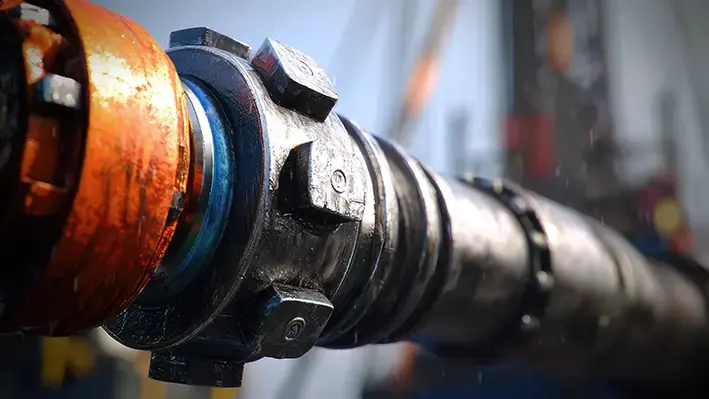
Downhole Tools International (DTI), a supplier of coil tubing, wireline, slickline and cable-deployed tools, has adopted the name Pragma as it redirects its strategic focus toward the development and commercialisation of advanced well barrier technologies
Backed by recent investment from FrontRow Energy Technology Group and BGF (Business Growth Fund), the company is reshaping its business around a three-tier well barrier portfolio. At the centre of this strategy is its flagship M-Bubble metal expandable barrier technology, while the company continues to provide customers with its broader range of downhole tools.
The rebranding represents a return to the company’s original name and reflects a renewed commitment to its innovation-driven heritage. Pragma will continue developing technologies designed to address complex well integrity, water management, and plug and abandonment challenges across the global energy industry.
To support this direction, the company has made significant investments in its workforce, technology development pipeline and international presence, strengthening its position for sustained future growth.
The appointment of David Stephenson as CEO in late 2025 was followed by the establishment of an enhanced management and international business development team. The team brings extensive experience in global well intervention and well barrier development, covering design, operations and commercialisation.
Alongside the redesign and relaunch of its PKB and IX plug technologies under the Pragma brand, the company will maintain M-Bubble as a key component of its growth plans. Efforts will continue to focus on commercial deployment and wider international adoption, particularly in the Middle East and Asia Pacific markets.
David Stephenson comments: “Rebranding as Pragma is about more than a change of name - it’s about reaffirming our focus on well barrier technology and the innovative approach upon which the business was founded.
“With the support of FrontRow and BGF, we’re in a strong position to grow M-Bubble whilst developing well technologies from concept through to commercial deployment, as we help operators tackle increasingly complex well integrity and water management issues.”
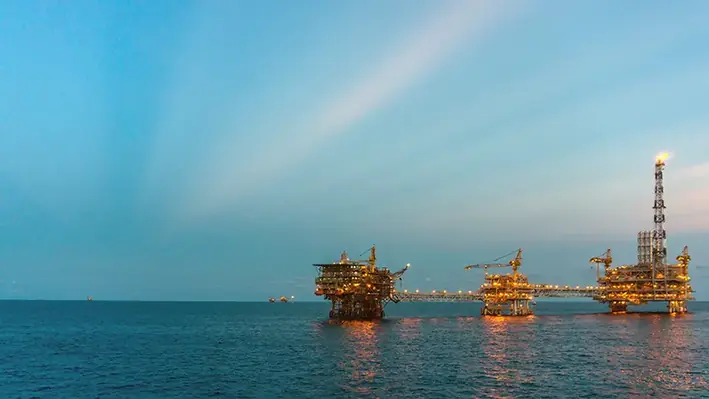
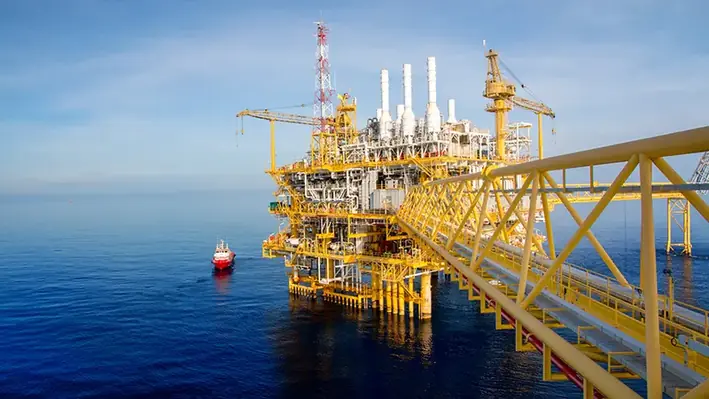
Baker Hughes has announced two major contract extensions with Equinor to deliver integrated drilling and well services solutions, along with wireline intervention services.
The multi-year agreements will support Equinor’s offshore hydrocarbon production activities in the North Sea.
As part of the integrated drilling and well services contract, Baker Hughes will provide a comprehensive range of solutions for both mature assets and new developments. The company will draw on expertise from its Well Construction and Completions, Intervention and Measurement portfolios to support projects across the Norwegian continental shelf. Technologies including the Kantori autonomous well construction solution and TRU-ARMS advanced reservoir mapping services will be utilised to help develop offshore resources more efficiently.
Under the intervention services agreement, Baker Hughes will supply fully integrated well intervention solutions, combining its surface and downhole technologies with complementary systems provided by service partners. The objective is to enhance the lifespan and performance of offshore wells operating in the North Sea. The extended contract also broadens the deployment of Baker Hughes’ technology portfolio built around the PRIME Technology Platform, supporting both production optimisation and emissions reduction initiatives across the Norwegian Continental Shelf.
“Baker Hughes’ ability to provide holistic solutions that unlock incremental value for our customers has been proven through decades of operation in the North Sea,” said Baker Hughes Executive Vice President of Oilfield Services & Equipment Amerino Gatti. “From greenfield well construction operations to interventions that extend the life of mature fields, our innovative technologies and ability to integrate our services can help create a more secure energy future for Norway and all of Europe. We look forward to being part of this new chapter of collaboration with Equinor.”
Baker Hughes has maintained a longstanding presence in Norway’s energy industry, employing thousands of people and operating multiple facilities across the country. Earlier this year, the company inaugurated its new Subsea Services Center of Excellence and manufacturing facility in Dusavik. It also operates a dedicated Center of Excellence for Plug & Abandonment in Stavanger.
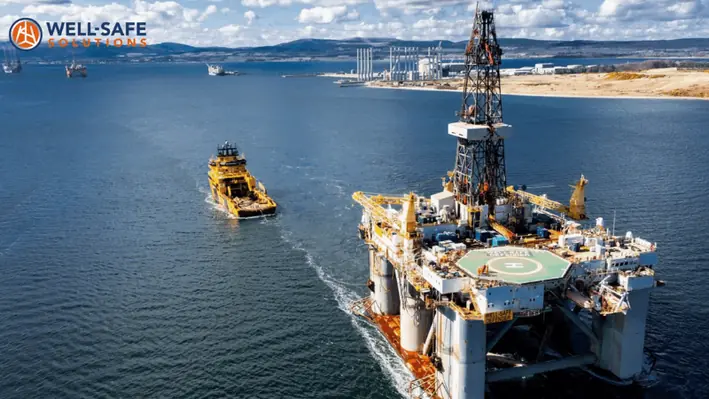
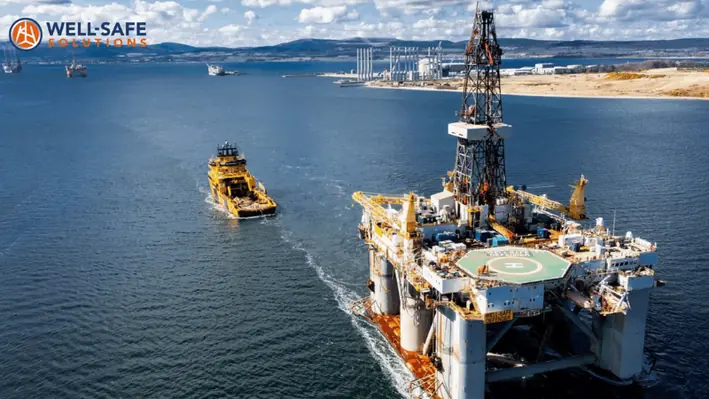 Well-Safe Solutions has been awarded a new contract to provide full Well Operatorship and asset execution for an unnamed client in the North Sea.
The contract scope will see the company undertake operations management of the well decommissioning, including initial subsurface analysis and well design engineering, followed by rig, service, and support vessel provision.
This marks the first Well Operatorship awarded to the company, providing a pivotal step for Well-Safe Solutions’ expanding service offerings across the well lifecycle.
The logical step forward enables more efficient well management through fully integrated package offerings – with owned assets, engineering and services under a single contract.
Phil Milton, CEO of West-Safe Solutions, said, “It has always been our plan to position the business to be able to fulfil the role of Well Operator for our customers and we are grateful for the opportunity to do so under this new contract. This contract, and the Well Operator appointment, recognises our credentials as a cost and schedule3 efficient partners with an outstanding safety record. With our market-leading assets, technical expertise and project management capabilities, we are ideally positioned to provide full Well Operatorship responsibility in the North Sea.”
This contract award represents the fourth major contract win for Well-Safe Solutions this year, following three previous North Sea decommissioning projects.

Archer has agreed to acquire well technology specialist isol8 through a share purchase agreement, strengthening its capabilities in plugging and abandonment (P&A) and expanding its portfolio of well barrier technologies.
The acquisition will add isol8’s expertise in alloy-based barrier systems and advanced materials to Archer’s existing offering. The technologies are designed for application across well completions, intervention activities and P&A operations, supporting the company's ambition to further develop its plug business and enhance its position in the global well abandonment market.
By incorporating isol8’s products and technical expertise, Archer aims to broaden the range of solutions available to customers undertaking well lifecycle management projects, particularly in subsea and rigless abandonment operations.
Archer CEO Dag Skindlo commented: “This acquisition brings valuable technologies and talent into Archer. Isol8’s solutions will strengthen and expand our leading plug portfolio and advance our subsea and rigless P&A offering. The acquisition reinforces our ability to deliver safe, efficient, and scalable well abandonment solutions to our global customers.”
Founded by Andrew Louden, isol8 has developed a range of proprietary barrier technologies designed to improve well integrity and support safe, long-term isolation throughout the well lifecycle. The company’s solutions are used in applications ranging from completions and interventions to final abandonment.
Andrew Louden, Founder and CEO of isol8, commented: “Archer’s global reach and established customer base create a strong platform to scale deployment of isol8’s technologies across the entire well lifecycle. Together, we have the opportunity to expand adoption of our existing alloy barrier products and accelerate the commercialisation of our emerging metal element technology.”
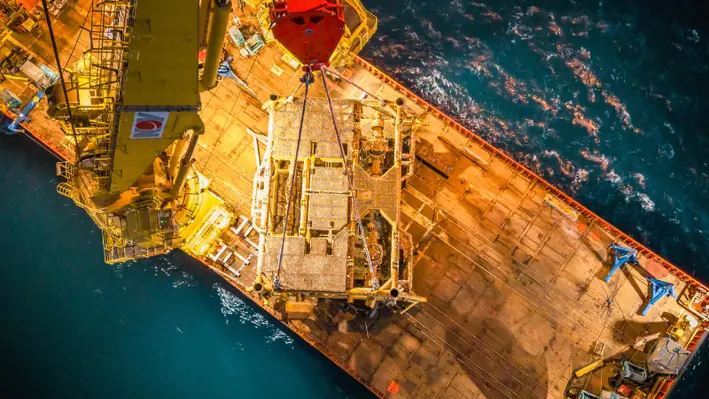
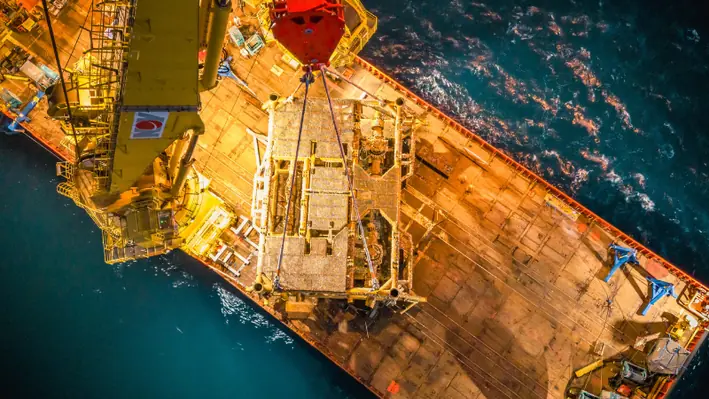 Ocean services provider DeepOcean has been selected to support the subsea decommissioning and disconnection of an FPSO in the UKCS.
The scope of work includes hydrocarbon and chemical injection flushing; isolation and disconnection of subsea trees, manifolds, and pipeline infrastructure; disconnection of risers and dynamic umbilicals; riser and mooring chain severance and recovery; and FPSO sail-away and tow to shore.
The project will be managed and executed by DeepOcean’s operations in Aberdeen.
Robin Mawhinney, Executive Vice President of DeepOcean’s EMEA region, said, “This is a significant project encompassing both subsea and topside scopes that strongly aligns with our extensive experience. Our innovative approach has been successfully demonstrated across many complex projects, and it’s our teamwork and proven capability that will drive a safe, efficient removal of subsea infrastructure, along with the safe towage of the FPSO.”
Gary Scott, Commercial Director of DeepOcean’s EMEA region, commented, “Execution will build on the methodologies and proprietary tooling that was pioneered at the disconnection of the Gryphon Alpha FPSO last year, enabling the full scope to be delivered entirely without the use of divers. This is a testimony to the team’s successful delivery of decommissioning scopes in the region.”
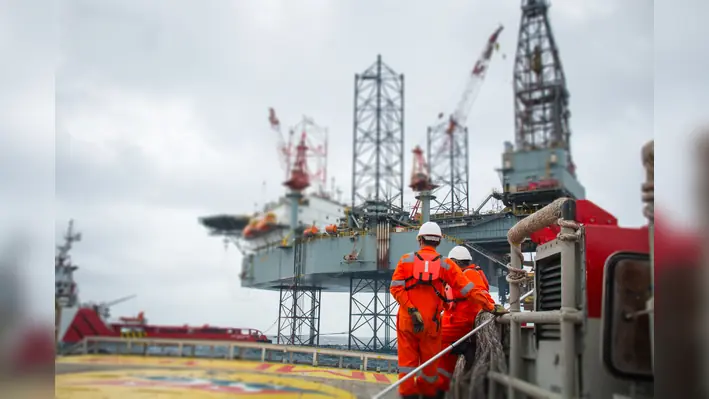
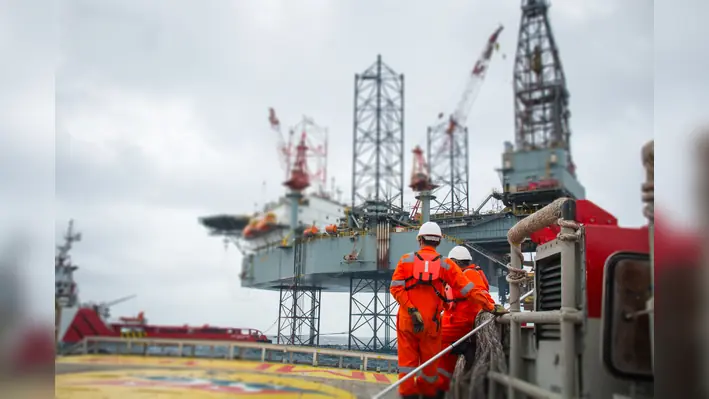 Following five years of abandonment, Perenco UK has managed to revive the Davy gas field in the Southern North Sea, which is now generating production.
This is no mean feat, given the field was shut in for so many years, and finally earmarked for decommissioning following several failed attempts to restart it.
Now the company has completed a comprehensive revival project with production from Davy wells A3 and A5 restarting in late April 2026. Both the platforms are now stably generating a combined yield of approximately 14 MMscf/d into Perenco’s Bacton terminal.
The primary consideration that drove the comprehensive work programme to prolong field life was safety. The company significantly simplified the original 1970s' design, and included material equipment upgrades, along with the installation of a wind turbine.
In addition, partial decommissioning of nonproductive wells has been achieved with the plugging and abandonment (P&A) of 2 platform wells and 2 subsea wells. The simplified Davy platform is now powered predominantly by wind energy rather than diesel generation, so the operation is now continuing with a lower carbon footprint.
Jo White, UK SNS General Manager said, “The restart of the Davy gas field after five years offline is an excellent result and showcases how assets consigned for decommissioning can be revived and continue to make a meaningful contribution to the UK’s energy mix. Davy is set to continue to produce for several years to come, and to operate reliably and with lower OPEX following the recent work programme. This is another successful collaboration between the highly-skilled Perenco and Petrodec operational and project teams, and I would like to congratulate all those involved in realising this important project.”

The ongoing US-Iran war and resulting disruptions in the Strait of Hormuz have triggered a pragmatic shift in European Union energy policy, forcing a temporary rethink of its green transition priorities in favour of immediate energy security.
Since the escalation of conflict in February 2026, which disrupted LNG flows from Qatar and pushed up global oil and gas prices, the EU has faced its second major energy crisis in four years.
According to some reports, additional costs for energy imports have already exceeded €24bn, prompting swift policy adjustments.
In April, the European Commission unveiled the AccelerateEU plan, proposing cuts to electricity taxes, coordinated summer gas storage refills, and incentives to accelerate clean energy deployment while shielding households and industry from price shocks.
The measures aim to make electricity cheaper than fossil fuels and support faster rollout of renewables and efficiency improvements.
More significantly, EU energy ministers are now openly discussing boosting domestic natural gas production.
At a meeting chaired by Cyprus (which holds substantial offshore reserves) officials are exploring greater use of indigenous resources to reduce reliance on volatile imports.
This marks a notable departure from previous reluctance to expand fossil fuel output within the bloc.
The Commission has also drafted guidance allowing member states to suspend penalties for oil and gas companies breaching the EU’s methane emissions regulation during supply crises.
The move follows intense industry and US pressure, aiming to prevent potential disruptions to imports as stricter rules approach in 2027.
These shifts highlight the tension between Europe’s long-term climate goals and short-term security needs.
While accelerating homegrown clean energy remains a priority, the crisis has underscored vulnerabilities in global LNG markets and reinforced the role of reliable regional suppliers like Norway, which is expanding its offshore output.
Analysts warn that prolonged reliance on emergency measures could delay the energy transition, yet most agree the current geopolitical reality demands a balanced approach.
EU leaders continue to stress that domestic production increases should not lock the bloc into long-term carbon dependence.
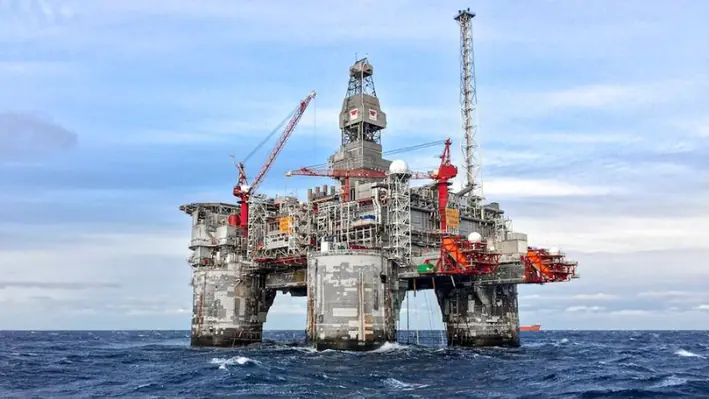
Norway is intensifying its offshore petroleum activities to strengthen European energy security amid ongoing global supply uncertainties.
Energy Minister Terje Aasland has underscored the importance of expanding, rather than reducing, operations on the Norwegian continental shelf.
On 5 May 2026, the Norwegian authorities announced the APA 2026 licensing round, offering up to 70 new exploration blocks: 38 in the Barents Sea, 22 in the North Sea, and 10 in the Norwegian Sea.
Applications are invited until 1 September 2026, with awards scheduled for early 2027.
This move continues Norway’s strategy of sustaining long-term production and attracting investment from international oil companies.In a separate development, plans were confirmed to reopen three historic North Sea gas fields like Albuskjell, Vest Ekofisk, and Tommeliten Gamma, which have been closed since 1998.
Operator ConocoPhillips, together with partners, is set to invest approximately €1.8bn, with production potentially resuming by 2028.
The fields could deliver significant gas volumes to markets in Germany and the United Kingdom through to 2048.
Additionally, Equinor has recently started production from the Eirin field via a subsea tie-back to the Gina Krog and Sleipner installations, adding further gas supply to Europe.
These initiatives reflect Norway’s response to tightening global energy markets.
By maximising output from mature and frontier areas, the country aims to provide reliable supplies while balancing its energy transition commitments.
Industry observers note that heightened geopolitical tensions have reinforced the role of Norwegian gas in stabilising European energy prices.
The developments are expected to generate substantial economic activity and support thousands of jobs across the Norwegian supply chain.
Equinor ASA has extended a series of major supplier agreements for drilling and well services, with a combined value of about NOK 17 billion.
The extensions are aimed at sustaining production on the Norwegian continental shelf, maintaining operational activity and supporting consistent energy supply to Europe.
The company has activated one-year extension options for three integrated drilling and well service contracts, alongside two-year extensions for 18 corporate framework agreements covering specialised services associated with these operations.
The integrated drilling and well services contracts are valued at NOK 8.3 billion, while the framework agreements for specialist services are expected to generate around NOK 4.3 billion annually over a two-year period.
Contracts for integrated drilling and well services have been awarded to Baker Hughes Norge AS, Halliburton AS and SLB Norge AS. These companies, along with an additional 15 suppliers, have also secured framework agreements for specialised services. The agreements are designed to ensure access to the expertise and advanced technologies required to improve efficiency in well operations and adapt to evolving operational demands.
“These agreements are among the largest we have, and they are crucial for activity on the Norwegian continental shelf. New wells enable us to maintain high production and deliver stable energy to Europe. This is particularly important at a time of turbulence in the energy markets,” says Jannicke Nilsson, chief procurement officer.
The contracts are expected to support around 2,500 jobs and will cover operations across both fixed installations and mobile drilling rigs on the Norwegian continental shelf.
As the region matures, drilling and well activities are becoming increasingly vital to sustaining output levels. Equinor aims to maintain production at approximately 1.2 million barrels of oil equivalent per day through to 2035.
“New wells are expected to account for around 70 percent of Equinor’s production in 2035. This involves both more wells and more well interventions, which must be delivered faster and significantly more cost-efficiently than today. That requires closer collaboration with the supplier industry and increased use of technology and standardisation,” says Rune Nedregaard, senior vice president for Wells.
“We are now moving to a greater extent towards industry standards. Together with our suppliers, we will use this to simplify work processes, reduce costs and increase pace, while maintaining safety,” Nedregaard continues.
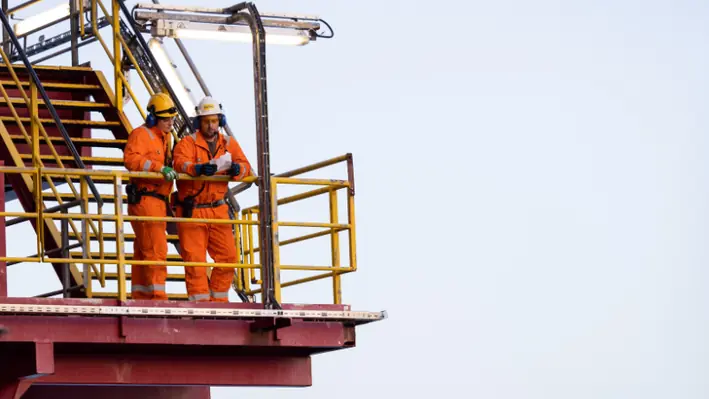
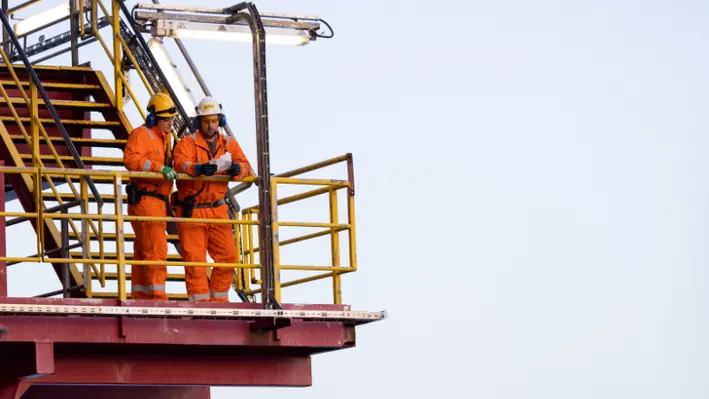 Equinor ASA has awarded Archer a three-year contract extension for wireline and intervention services on the Norwegian Continental Shelf.
The extension builds on the integrated wireline contract originally awarded to Archer in 2021, under which the company, along with partners, delivered services across key Equinor assets. While extension options were available in the original contract, the current award represents a firm three-year extension, providing continued operational continuity and visibility.
The contract represents a total contract value of approximately NOK3bn (around US$322,117), with around half attributed to Archer and the remainder allocated to alliance partners.
Dag Skindlo, Chief Executive Officer at Archer, said, “This contract extension reflects the strong and long-standing relationship we have built with Equinor. We are pleased to continue supporting Equinor’s operations and consider this agreement strategically important for Archer. It provides long-term visibility to our business, reinforces the strength of our alliance model, and demonstrates the trust placed in our people, technology and service quality.”
The agreement reinforces Archer’s position as a trusted provider of advanced well services, supporting Equinor’s operations through the continued delivery of wireline and intervention solutions.
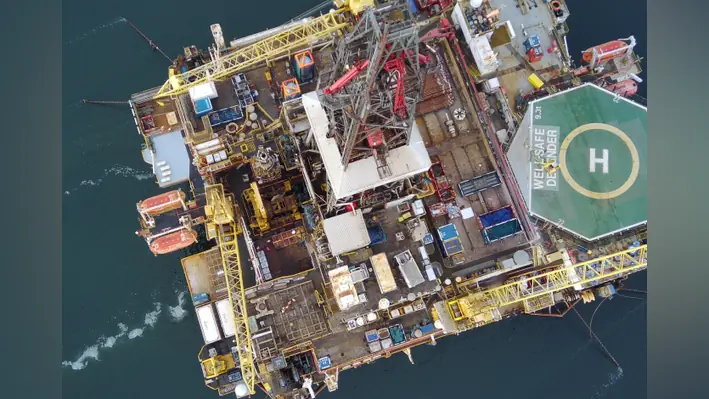
Well-Safe Solutions, a tier-one specialist in well decommissioning, has secured a multi-year agreement with Apache North Sea Limited to decommission platform and subsea wells in the Forties Field.
The programme is scheduled to commence in 2026, with Well-Safe Solutions taking responsibility for all well-related project management, well and subsurface engineering, and offshore execution for both platform and subsea wells.
The contract is expected to sustain hundreds of jobs in Aberdeen while providing a welcome economic uplift to northeast Scotland during a period of ongoing pressure on the sector and concerns around long-term workforce retention.
Phil Milton, Chief Executive Officer at Well-Safe Solutions, said:
“This award is a defining moment for Well-Safe Solutions and a testament to the confidence Apache has in our team to deliver safe, efficient and technically robust decommissioning solutions at scale.
“This contract award is exciting news for our business and for the wider economy, sending a powerful signal to the supply chain and helping to secure critical talent and resources. Today’s announcement is undoubtably a huge moment for our business and our industry, however, it comes at a particularly difficult time for our sector when we are hopeful of retaining the talent and capability that we have in the North Sea”
Industry capacity for mobile offshore drilling units able to carry out both drilling and decommissioning work on platform and subsea wells has fallen steadily in recent years. Only five semi-submersible rigs now remain in the UK Continental Shelf. This continued decline in available assets could hinder the UK’s ability to satisfy future energy requirements and fulfil decommissioning commitments, with thousands of wells expected to require decommissioning before the decade ends.
Donald Martin, Vice President, Decommissioning, Apache, commented:
“We are pleased to partner with Well-Safe Solutions on this large-scale decommissioning programme across the Forties Field. This contract reflects our commitment to delivering safe, predictable and cost-effective decommissioning through disciplined execution and with a high-performing, integrated team.
“Building on decades of successful production from one of the North Sea’s cornerstone assets, Apache is focused on maximising late-life asset value, reducing risk, and delivering a safe, efficient and disciplined transition into decommissioning.”
The latest award further strengthens Well-Safe Solutions’ standing as a strategic leader in the UK decommissioning market. It follows successful recent campaigns involving the Well-Safe Defender and Well-Safe Protector, as well as two other significant North Sea contract wins announced earlier this summer.

 Odfjell Technology has announced the signing of a five-and-a-half-year contract with ConocoPhillips Skandinavia AS for integrated services in the North Sea.
The contract period has been agreed until 31 December 2031, and covers the provision of platform drilling operations and maintenance services, tubular running services, well engineering, and well planning in Norway.
The contract also covers options for the provision of downhole equipment and permanent plug and abandonment execution. The agreement forms a strong foundation for the company’s growth in the market.
Kurt Meinert Fjell, EVP Operations at Odfjell Technology, said, “We are pleased to further strengthen our partnership through this contract. The agreement underlines the strong relationship between our teams and provides a strong foundation for continued innovation and value creation.”
Copyright © 2026 Offshore Network