 The Aseng Gas Monetisation Project offshore Equatorial Guinea will undergo subsea installation by Subsea7, which has received a significant contract by Noble Energy EG Ltd (a Chevron Company)
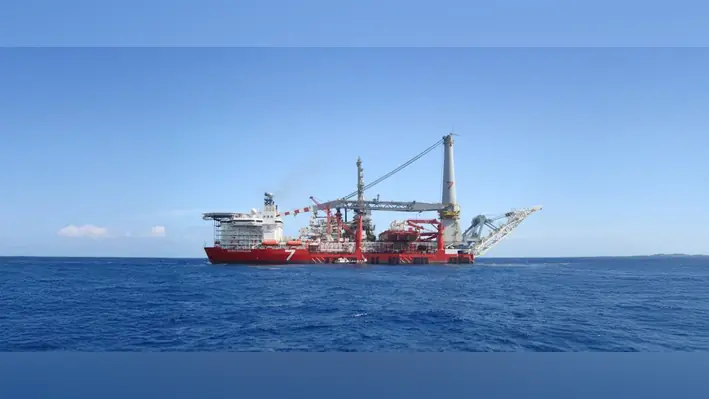
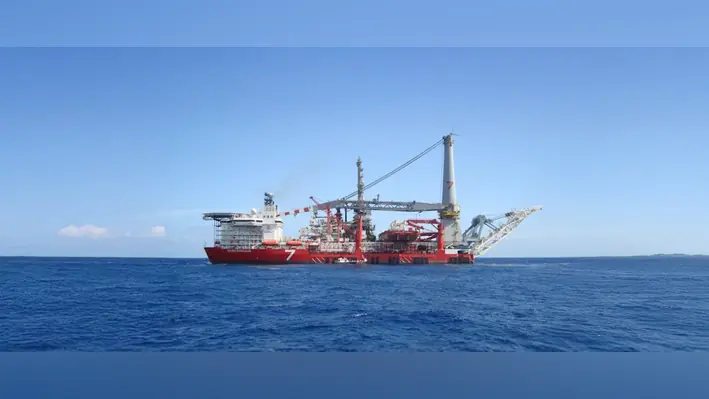
Subsea7 will be establishing a single-well tieback for the project, connecting Aseng field to the existing Alen platform. It will transport and install approximately 19 kilometres of rigid production flowline and 20 kilometres of umbilicals, along with associated subsea structures and tie-ins in water depths of 800 metres.
Project management and engineering will commence immediately and will be managed from Subsea7’s Paris office, with additional support from teams in Lisbon and Equatorial Guinea. Offshore activities are expected to begin in 2026.
David Bertin, Senior Vice President for Subsea7’s Global Projects Centre East, said, “This award represents an important milestone in our ongoing global relationship with Chevron. Subsea7 has operated in Equatorial Guinea for nearly two decades, supporting offshore construction and inspection, maintenance and repair activities. We look forward to continuing our collaboration with Chevron on the Aseng Gas Monetisation Project, continuing to deliver safe, high-quality offshore installation services in West Africa.”

The Centre of Decommissioning Australia (CODA) has released the latest update to its Decommissioning Forward Outlook, with a focus on improving data quality, consistency and usability across the platform.
The Decommissioning Forward Outlook is a dynamic, interactive online tool developed by CODA to enhance visibility of forecast decommissioning activity, support planning, and promote collaboration within the Australian offshore oil and gas and decommissioning industry. The database has been compiled from publicly available information, including plans and proposals submitted for approval to offshore regulators. Users can explore asset characteristics across fixed and floating facilities, subsea infrastructure, pipelines, and wells, alongside detailed insights into upcoming decommissioning workload and project timelines.
The update represents a continued refinement of the underlying dataset, strengthening how offshore activities are identified, classified, and presented. Enhancements to the Outlook’s AI capability have been undertaken with the support of rahd·AI, facilitating more accurate identification and recognition of offshore activity and improving the overall reliability of the data.
A broader review of the dataset has also been undertaken, addressing duplication, aligning lifecycle stages across projects, and refining activity definitions to better reflect how offshore projects are described in regulatory submissions. This provides a clearer and more consistent view of development, operations, cessation of production, and decommissioning phases.
Additionally the Outlook platform has been rebuilt, enabling faster updates and delivering greater granularity across activities and timelines.
Jake Stride, rahd·AI CEO and co-founder, said, “A big part of this update was tackling inconsistency in how decommissioning activities are defined and structured across different sources. CODA’s insight into the industry has been key in helping us shape a dataset that better reflects how decommissioning is planned and executed.”
For more information visit the website here.
The USA has begun the process to bring closer together the key agencies that regulate offshore oil and gas decommissioning activities in the country.
The Department of the Interior announced on 3rd April the start of a phased plan to establish the Marine Minerals Administration, bringing together the functions of the Bureau of Ocean Energy Management (BOEM) and the Bureau of Safety and Environmental Enforcement (BSEE).
“This action is intended to improve coordination and increase efficiencies across offshore leasing, permitting, inspections and environmental oversight, while maintaining all existing regulatory protections and rigorous safety standards,” a Department of the Interior statement announced.
It added that the streamlined approach reflected the evolution of offshore energy development and the need for a more integrated approach to managing conventional and emerging resources, such as critical minerals.BOEM and BSEE are the primary offshore federal regulators for the Outer Continental Shelf (OCS).
Other federal regulators include Federal Energy Regulatory Commission (FERC), Environmental Protection Agency (EPA), Pipeline and Hazardous Materials Safety Administration (PHMSA) and the US Coast Guard (USCG), which is involved in issues related to navigation safety and pollution control during removal operations.
Secretary of the Interior Doug Burgum said the establishment of the new Marine Minerals Administration marks a strategic step toward a more modern, coordinated approach to offshore resource management.
He said the agency will align resource planning, leasing decisions and operational oversight under a unified structure, reducing duplication and improving decision-making across the full lifecycle of offshore development.
“President Trump has been laser focused on making the government work efficiently and effectively for the American people. This is about building an agency that reflects where we are today and where we need to go,” said Burgum.
“The Department is applying what we’ve learned over the past decade to deliver clearer coordination, better service to the public and stronger, more integrated oversight of offshore energy development.”
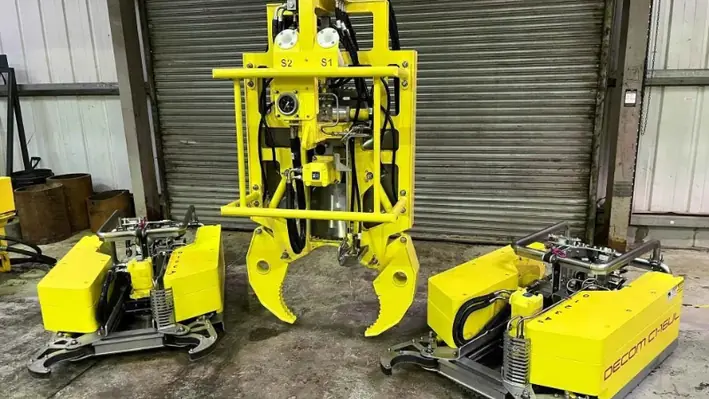
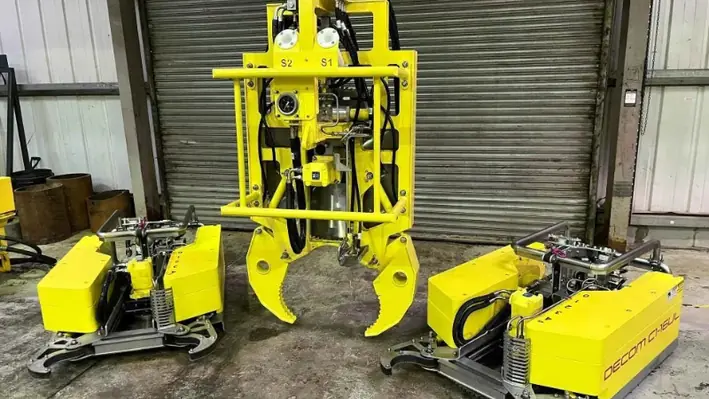 Decom Engineering has secured a US patent for its proprietary Chopsaw technology, helping to protect the company’s position as a leading subsea cutting solutions provider.
The patent covers both mechanical and operational features, including the linear drive cutting system, modular drive arrangement and adaptable clamping methodology.
The linear-drive cutting head is the central mechanic for the Chowsaw technology, where it feeds the blade directly into the structure being cut. Unlike traditional Chopsaws, which rely on pivoting or rotational movement, Decom’s system uses a controlled linear movement to guide the blade through the material, improving control, precision and consistency.
By managing how the blade engages with the material, the technology addresses one of the main weaknesses of traditional Chopsaw solutions.
The patent also covers adaptable clamping arrangements, enabling a single saw to cut a wide variety of materials, diameters and structures to make the technology adaptable across a broad range of applications, from small umbilicals to large mooring chains.
Nick McNally, Managing Director of Decom Engineering, said, “Our aim has always been to develop cutting technology that is robust, adaptable and capable of performing in the most challenging environments. The patent is important for safeguarding our leading position in the cutting market, and reinforces our ability to protect our engineering advantage.
“The US is widely regarded as one of the most rigorous and competitive patent jurisdictions, and approval provides strong validation of the uniqueness and robustness of Decom’s technology. It also ensures the company can protect its intellectual property in a market where we are successfully expanding our operational footprint and securing wider client recognition.”

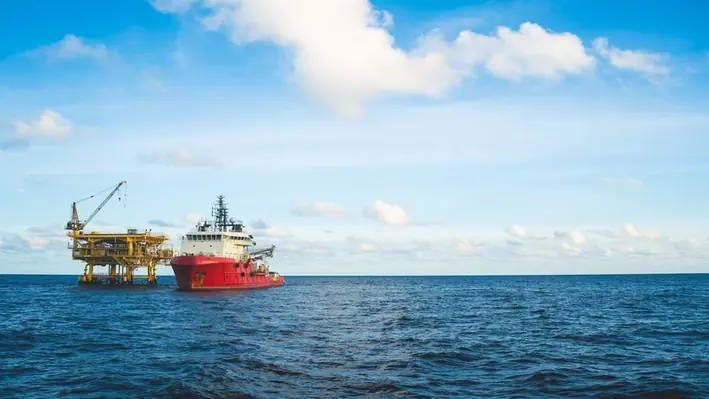 North America, Europe and Asia Pacific are shaping today's offshore decommissioning market as it is projected to grow at a compound annual growth rate (CAGR) of approximately 6-8% over the next six years.
According to an analysis by experts, growth of the global offshore decommissioning market is inevitable as the oil and gas industry is looking towards an ever-increasing numbers of retiring assets.
“With many offshore oil fields approaching the end of their productive life, companies are focusing on cost-effective and environmentally responsible methods for decommissioning platforms, subsea structures, and pipelines.
“The market’s trajectory underscores the importance of innovation, regulatory compliance, and environmental stewardship in shaping the future of offshore asset retirement,” reads an analysis by Market Research Future.
North America is looking at a chunk of mature offshore assets that are awaiting decommissioning, and the region is trying to keep up with the liabilities by leveraging advanced technologies such as artificial intelligence, Internet of Things and data analytics, among others. The region is spearheading the market, driven by its robust technological ecosystem, early adoption of advanced solutions, and sustained investments in innovation and automation.
While North America still enjoys comparatively stable demand patterns owing to established infrastructure and matured market conditions, its regulatory frameworks are going through a phase of steady evolution to accelerate turnarounds of its decommisssioning liabilities.
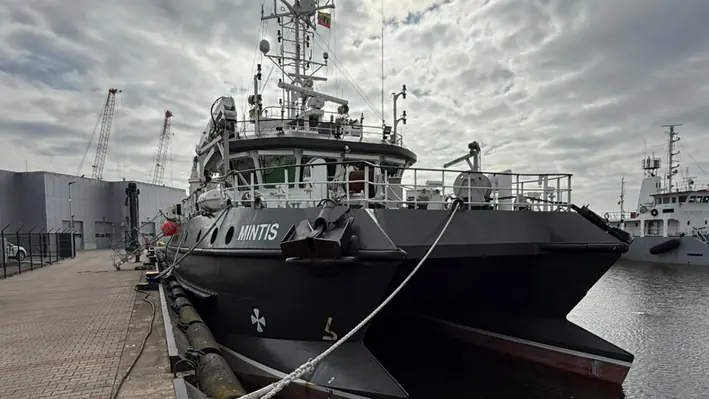
DroneQ Robotics has partnered with Mark Offshore to deploy the research and survey vessel R/V Mintis as a multi-functional offshore platform, integrating remotely operated vehicle (ROV) systems, drone technologies and specialised marine services.
The move marks a strategic expansion of DroneQ’s advanced unmanned robotics services offering, positioning the vessel as a combined solution for subsea inspection, survey and maintenance operations across offshore energy and maritime sectors.
Mark Offshore, which recently assumed operational management of the vessel on behalf of Klaipėda University, said the initiative builds on a long-standing collaboration between the two companies. The partnership aims to enhance service delivery by combining vessel operations with cutting-edge robotics and inspection capabilities.
R/V Mintis, a DP1-class vessel, has been upgraded with a suite of advanced ROV systems designed to operate in both shallow and deep-water environments. These include a newly deployed Class I system capable of operating at depths of up to 350 metres, equipped with high-resolution cameras, sonar technologies and obstacle detection systems to support detailed subsea inspections.
A second, more advanced Class II ROV system extends operational capability to depths of 1,000 m, incorporating precision navigation tools, 3D imaging technology and non-destructive testing equipment. The system is supported by dedicated offshore control and workshop units, enabling efficient deployment and real-time data analysis.
In addition to subsea robotics, the vessel will also utilise industrial-grade maritime drones designed for offshore conditions. These systems enable aerial inspections of assets such as wind turbines and oil and gas installations, providing an additional layer of operational flexibility and safety.
John Troch, co-founder of DroneQ Robotics, said, “The partnership with Mark Offshore and this vessel is a big leap forward in the growth of DroneQ Robotics in general, and our Advanced Unmanned Robotics Services, AURS, proposition for the offshore market in particular! The market is beginning to realize that Big, Bigger, Biggest is not always the best solution.”
The vessel is expected to support a wide range of activities, including subsea construction support, environmental surveys, pipeline and cable inspections, and salvage operations. Its capabilities also extend to bathymetric mapping and unexploded ordnance detection campaigns.
Mark Offshore highlighted that the collaboration has already delivered early commercial success. Managing director Mark van der Star said, “Due to our long-standing relationship with John, and our shared drive to deliver results, our cooperation already translated into a concrete project in the very first week of our commercial management of R/V Mintis.”
He added that the company’s approach focuses on maximising asset value from the outset, transforming vessels into revenue-generating platforms through integrated service offerings.
The deployment of R/V Mintis reflects growing demand for efficient, technology-driven offshore solutions, as operators seek to improve safety, reduce costs and enhance inspection accuracy across complex marine environments.

Not long after its arrival in Egypt, Arcius Energy — a joint venture between BP and XRG, ADNOC’s international energy investment company — has pledged to invest half a billion dollars in developing the Harmattan field, which will include various offshore well services and other work.
The company announced on 1 April 2026 that it had reached a final investment decision (FID) on the project, a first for the new joint venture company.
The Harmattan gas and condensate field is located 2.5 km north of Ras El Barr in the Damietta Governorate.
Work will “help support and increase natural gas production to meet domestic market needs,” an Arcius Energy statement noted.
Development plans includes the drilling of up to three wells, installation of a fixed offshore platform and the construction of 50-km pipeline linked to onshore processing facilities near Port Said, with production expected to start in 2028.
It marks a rapid timeline with the joint venture only acquiring the rights to the El Burg Offshore concession area in February 2026.
The Arcius Energy statement said that Pharaonic Petroleum Company (PhPC), acting on behalf of El Burg Offshore Petroleum Company, awarded the Engineering, Procurement, Construction, and Installation (EPCI) contract to Egypt’s ENPPI, with Petroleum Marine Services and Petrojet also participating as subcontractors.
Naser Al Yafei, Chief Executive Officer of Arcius, said the Harmattan FID “reflects our confidence in the potential of Egypt’s energy sector” and will further position the country as a regional energy hub within the Eastern Mediterranean.
The project bodes well for additional well services work in the area as the North African country's oil and gas industry continues to mature.
In addition to the El Burg Offshore concession area, Arcius Energy also owns 10% of Shorouk which contains the producing Zohr field, 100% of North Damietta which contains the producing Atoll field, plus stakes in the North El Tabya, Bellatrix-Seti East and North El Fayrouz exploration concessions.
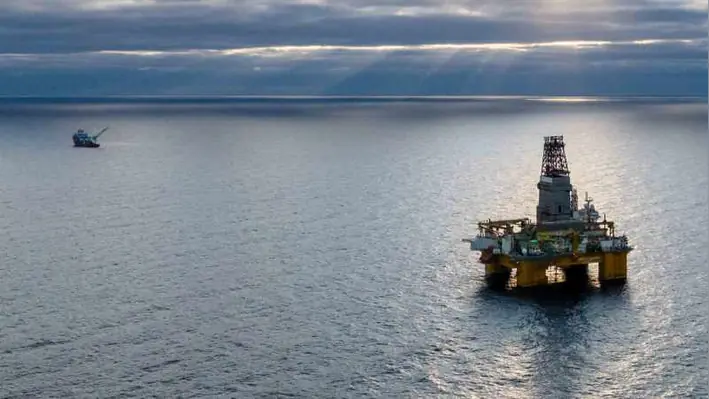
Global technology company SLB has announced a three-year agreement with Azule Energy to extend and enhance the use of its enterprise digital platform across Azule’s operations in Angola
The platform aims to drive more consistent execution, speed up decision-making, and support reliable energy delivery throughout Azule’s portfolio.
Azule Energy, a joint venture between bp and Eni and the largest independent energy producer in Angola, manages some of the country’s most complex assets. This new agreement builds on two years of Delfi use within Azule’s reservoir organization, where the platform supports reservoir studies, modelling, simulation, and well planning workflows, while enabling enterprise-wide digital integration by connecting reservoir workflows with wider operational data environments over time.
“Azule operates large, complex energy assets where execution reliability and consistency matter,” said ND Maduemezia, president, Europe and Africa, SLB.
“This agreement expands the use of an enterprise digital platform that connects workflows and data, strengthening and accelerating decision-making and improving execution predictability in support of reliable energy delivery in Angola.”
The agreement highlights Azule’s shift toward enterprise-scale digital operations, leveraging SLB’s platform and cloud-based capabilities. Implementation is supported through the SLB Luanda Performance Center, which allows digital solutions to be deployed and maintained locally.
The platform supports critical workflows across Azule’s reservoir and planning functions, with gradual integration into broader operational data systems. It also positions Azule to quickly adopt emerging digital and AI-driven technologies, enabling continuous performance enhancements.
Early results demonstrate tangible benefits: integrated workflows, including DrillPlan coherent well planning and engineering solutions, have shortened planning cycles from days to hours while boosting automation and reducing manual coordination.
The enterprise platform strengthens execution consistency across Azule’s large, mature operations, where operational discipline is key to sustaining performance.
Key Points:
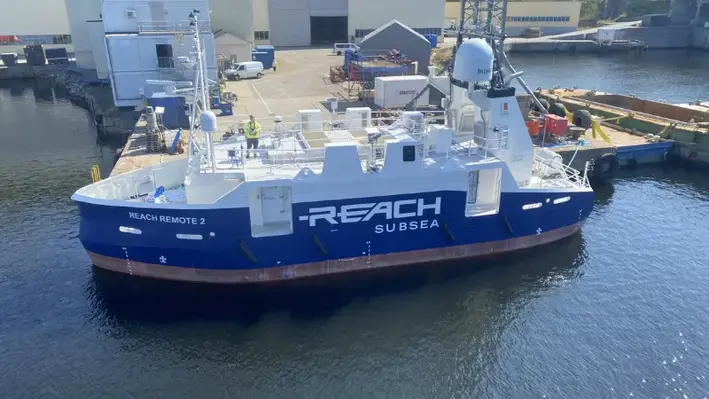
Under a new framework with Equinor, Reach Subsea has been awarded two new call-offs covering both gas reservoir monitoring and IMR services on the Norwegian Continental Shelf.
The first call-off supports gas reservoir monitoring at the Troll field and includes options for additional survey scopes. Reach’s proprietary gWatch technology will be deployed, which has proven to be a strong operational match for Reach Remote through successful delivery of similar projects for both Norwegian and international clients.
The second IMR call-off contract will cover detailed inspection of a large number of subsea assets across multiple locations. The scope will be executed using Reach’s ROV deployed from Reach Remote 1, combined with the company’s purpose-built tooling designed specifically for remote and unscrewed operations.
Jostein Alendal, CEO of Reach Subsea, said, “These awards further strengthen our collaboration with Equinor and confirm Reach Remote as a robust and flexible platform for both reservoir monitoring and IMR operations. The integration of Reach Remote with our proprietary gWatch technology, as well as ROV-based inspection and tooling, demonstrates how unscrewed solutions can deliver high-quality data and services while reducing operational complexity and emissions.”
Planning and preparation for both campaigns will commence immediately, with the majority of offshore operations scheduled for execution in Q2 and Q3 2026.
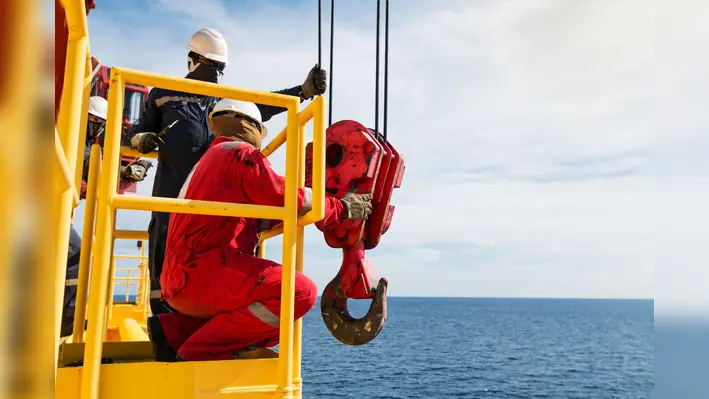
 With an aim to achieve a potential gross production uplift of around 9,000 barrels of oil per day, Afentra has secured contracts to advance its accelerated two-well drilling programme on Block 3/05 offshore Angola.
The primary objective will help define the material upside potential in the Pacassa SW area (up to 70 mmbo recoverable) and the Impala field (up to 50 mmbo recoverable).
The Block 3/05 Joint Venture partners have signed a commercial agreement with Sonangol to use the Borr Grid jackup rig for the well programme. It will begin with the drilling of Pacassa SW, which will determine the next well eligible for drilling, be it the Pacassa SW injection well or the Impala-2 development well.
The Pacassa field which is anticipated to hold up to 210 mmbbls of oil will be drilled from the Pacassa F4 platform. If the drilling is a success, the well will be put to completion before connecting it to the existing production infrastructure.
The Impala field, on the other hand, can potentially play a significant role in defining the upside potential of the field that can contain up to 200mmbo of oil in place. Impala-2 will be drilled from the Impala wellhead platform into the Impala field around 1000m from the existing Impala-1 production well. Upon completion the well will be connected to the existing production infrastructure. The outcome will also assist in defining the optimum Impala field development which has up to 50mmbo of incremental recoverable resources.
"The ability to accelerate our drilling programme is a pivotal moment for Afentra, marking a clear transition to the execution phase of our organic growth strategy. This opportunity is a direct result of the strong, collaborative partnership we have with Sonangol and the Joint Venture. The funding structure agreed with Sonangol allows us to fast-track the unlocking of significant potential value from both the Pacassa SW area and the Impala field without impacting our 2026 cash capex. This programme is designed to efficiently convert resources into production, growing volumes through our existing infrastructure and delivering tangible value for our shareholders. Crucially, it will also provide invaluable data to de-risk and define future prospectivity across the wider Block 3/05 area, optimising our long-term development plan," said Paul McDade, Chief Executive Officer of Afentra.
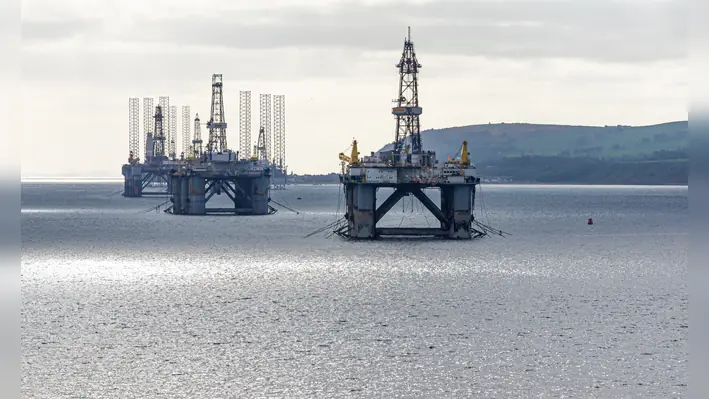
 Operators are likely looking at cost-effective decommissioning in future with the 'rollback' of supplemental financial assurance rule that has recently been announced by the United States Interior Department.
This, the department officials believe, can be achieved from the ultimate cost optimisation approach that drives the new proposal, which will potentially bring a shift in the Bureau of Ocean Energy Management's evaluation of financial risks.
It will allow BOEM to approve new projects of significant capital investments for companies while securing taxpayers' contribution by leveraging updated risk metrics and data from the Bureau of Safety and Environmental Enforcement.
This development will replace the 2024 rule that mandated companies to set aside as much as US$6.9bn in supplemental financial assurance. About US$6bn of that burden were likely shouldered by small businesses that make up most of the operators on the Outer Continental Shelf.
According to DOI, the proposal will help maintain strong accountability for lessees and grant holders under the Outer Continental Shelf Lands Act but reduces “excessive financial barriers” that can hinder progress.
Saving about US$484mn annually in compliance costs, the move can potentially unlock billions of dollars for investment, exploration, production and employment generation.
“For too long, Washington red tape has strangled American energy producers and held back small businesses,” said Interior Secretary Doug Burgum. “President Trump is delivering on his promise to put American workers first, cut burdensome regulations and unleash our vast energy potential. These updates will free up billions of dollars for exploration and development, create good-paying jobs and unlock domestic energy production so we are never forced to rely on foreign adversaries for the resources that power our economy.”
The DOI said that the Bureau of Ocean Energy Management (BOEM) is acting in response to President Trump’s Executive Order 14154, “Unleashing American Energy.”
The proposed changes will be published in the Federal Register with a 60-day public comment period.
Welcoming the change, the Independent Petroleum Association of America's Executive Vice President and Chief Policy Officer, Dan Naatz, said, “We applaud the Trump Administration for taking steps to roll back the flawed financial assurance rule promulgated during the Biden Administration. Had it been fully implemented, the Biden rule would have disproportionately affected independent offshore oil and gas producers and had them bear most of the associated costs."
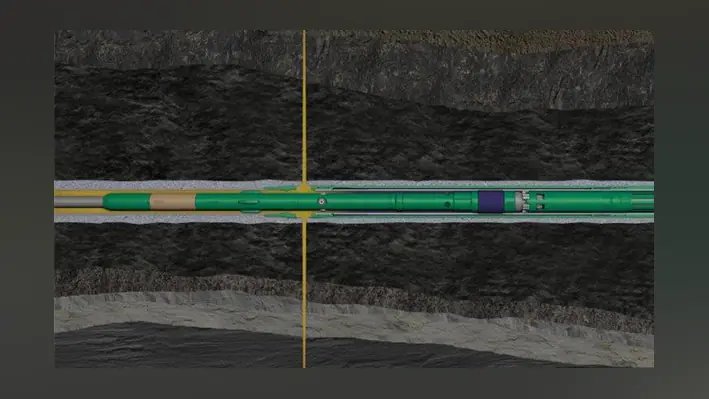
A major milestone in offshore energy has been reached by Aker BP, as it successfully deploys a new well stimulation method for the first time at the Valhall field.
The approach, known as “Single-Trip Multi-Frac”, marks a shift in how reservoirs can be treated more efficiently beneath the seabed.
Traditionally, stimulating a reservoir zone has been a slow and demanding process, often taking two to three days for just one section. Now, with this new technique, multiple zones can be fractured in a single trip down the well. This is made possible through a sleeve mechanism installed in the well completion, allowing operators to open and close sections without pulling equipment out each time.
“The traditional method takes two-three days to fracture a single zone of the reservoir. With ‘Single-Trip Multi-Frac’, we can now do two zones in a day. We also see a potential for doing this more efficiently,” says Stian Ø. Jørgensen, head of the the Well Intervention and Stimulation Alliance in Aker BP.
The benefits are clear. Reduced time spent on operations means lower reliance on vessels and equipment, cutting costs significantly. It also allows wells to come into production sooner.
“The new method will make implementation of several projects possible,” says Tommy Sigmundstad, SVP Drilling and Well in Aker BP. “It provides more flexibility; we spend less time per well, and it decreases the unit cost of the operations. In turn, this results in a reduced price for the stimulation and we can bring the well on stream earlier compared with the conventional stimulation method that has been used. Therefore, we see a substantial upside through use of this stimulation method,” he added.
At Valhall, where chalk formations limit natural flow, stimulation has always been essential. The new method simplifies the process by allowing continuous operation, eliminating the need to repeatedly remove coiled tubing.
Despite being common onshore, adapting this technique offshore at depths of 3,500 metres required years of effort. Collaboration with Schlumberger, Stimwell Services, and NCS Multistage played a key role in overcoming technical challenges.
Valhall has already produced one billion barrels since 1982, and with innovations like this, the ambition to double that output looks increasingly achievable.