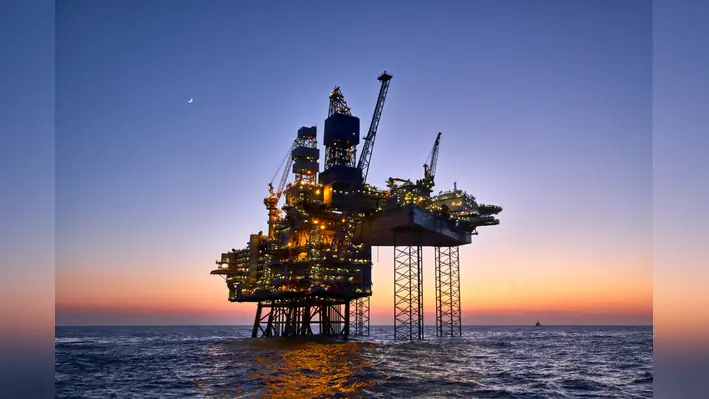

The offshore oil and gas sector in Australia operates within one of the most demanding physical environments in the world.
As facilities mature and production demands shift, the necessity for robust asset integrity management has never been more critical. Overseeing this high-stakes domain is the National Offshore Petroleum Safety and Environmental Management Authority (NOPSEMA), Australia's independent expert regulator. Tasked with ensuring health, safety, environmental management, and structural and well integrity in Commonwealth waters, NOPSEMA drives the regulatory landscape that governs the lifecycle of every offshore facility.
At the core of Australia’s offshore regulatory framework is the Offshore Petroleum and Greenhouse Gas Storage Act 2006 (OPGGS Act), alongside a comprehensive suite of associated regulations. This legislative foundation dictates that no offshore petroleum activity can commence until NOPSEMA has strictly assessed and accepted a detailed risk management plan. The fundamental standard for these plans is the demonstration that an organisation will manage risks to structural and well integrity to a level that is "as low as reasonably practicable" (ALARP).
Recent Legislative Updates and Risk Management
Recently, the regulatory regime has seen significant updates, including the implementation of the Offshore Petroleum and Greenhouse Gas Storage (Safety) Regulations 2024. These legislative revisions reflect a modernised, highly risk-based approach to oversight, ensuring that regulatory resources are precisely targeted toward the industry's most pressing vulnerabilities. NOPSEMA expects duty holders to continuously evaluate their control of work systems, from detailed job task analyses to robust permit-to-work processes. By aligning these operational protocols with evolving international best practices, operators can eliminate or drastically reduce the inherent risks associated with complex offshore activities.
NOPSEMA’s National Priorities
To provide clear strategic direction, NOPSEMA has identified key areas requiring sustained regulatory attention through its Five National Priorities. Foremost among these is structural integrity, ensuring offshore assets remain inherently safe, efficient, and fully compliant throughout their operational lives. A continuous lifecycle approach is essential, particularly as operators must proactively combat the severe risks associated with long-term marine operations, such as relentless corrosion, fatigue, and environmental stress.
Another critical priority is the responsible management and permanent decommissioning of redundant offshore wells. Timely and effective well plugging and abandonment are treated as essential for long-term risk management and environmental protection, effectively minimising the potential for any disastrous loss of well control. The remaining national priorities focus heavily on protecting worker psychosocial health, improving the overall control of work to prevent recurring incidents, and emphasising how executive leadership decision-making directly impacts offshore safety outcomes.
Managing Ageing Offshore Infrastructure
A central challenge currently shaping the regulatory landscape is the complex management of mature offshore infrastructure. NOPSEMA has provided dedicated guidance on ageing assets and life extension, urging duty holders to rigorously review their existing management systems. Crucially, the regulator clarifies that asset degradation is a condition-based, rather than strictly time-based, phenomenon. As NOPSEMA’s official guidance notes: "Ageing is not about how old your equipment is; it is about its condition, and how that is changing over time."
This vital distinction means that operators cannot rely solely on predetermined chronological milestones to dictate their maintenance schedules. Instead, they must deploy advanced monitoring techniques to continuously assess for material deterioration, damage, and any increasing likelihood of failure. It is imperative that offshore operators implement robust inspection, maintenance, and repair programmes tailored to the actual physical condition of the plant. If an asset's condition unexpectedly deteriorates, operators are legally required to instigate comprehensive recovery plans to promptly restore integrity and bring the associated risks back down to the ALARP threshold.
Successfully navigating the evolving regulatory landscape for asset integrity management in Australia’s offshore oil and gas sector demands far more than basic compliance. It requires a proactive, strategic commitment to continuous operational improvement. By integrating structural integrity, responsible decommissioning, and dynamic asset management into their core strategies, operators can ensure they meet NOPSEMA’s rigorous standards while safeguarding their workforce and the marine environment.
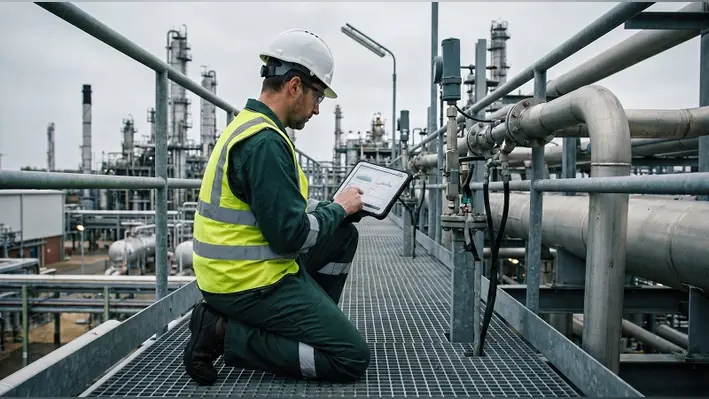
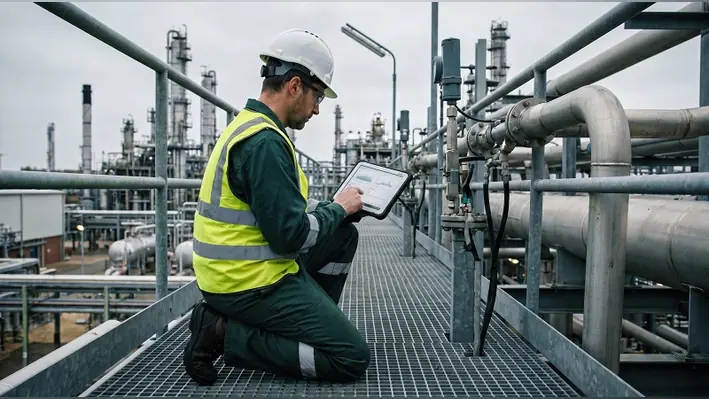 With the offshore industry largely prioritising brownfield over greenfield projects to advance optimisation and sustainability, digitalisation has been a primary driver of the transition journey.
It has facilitated complex data and process integration, eliminating hours of menial tasks so that operators are free to make prompter decisions and can attend to areas where it really matters. When the focus is set straight, complex intervention processes become simplified with quicker turnarounds at half the cost of traditional approaches.
With an ideal setup of digital asset integrity management in place, operators can remotely monitor risks at the most inaccessible parts of gigantic offshore platforms and take timely action.
Offshore environments can be accessed without arranging for ropes or scaffolding when aerial drones can reach the targeted area and click high definition images with inbuilt thermal and optical cameras. These are equipped to clearly capture splash zones, flare tips and under-deck structures.
Without diving into the ocean, everything from subsea manifolds or wellheads to pipelines can be scanned to check for leaks with the help of remotely operated or autonomous underwater vehicles. This is made easy with machine-vision artificial intelligence (AI) driving these vehicles.
AI can also detect and track minute shifts in temperature and vibration in critical offshore turbomachinery. This helps to flag failures way ahead in time, avoiding emergency downtime situations. Non-intrusive wireless sensors, for example, can raise alarm in cases of internal sand erosion or chemical corrosion in subsea and topside pipes. When clamped to the right zones, these sensors come alive to feed consistent, real-time information on pipe wall thickness.
One of the most innovative solutions that digital asset integrity management has seen is digital twins or virtual 3D replicas of complex platforms placed deep offshore. These replicas can combine hull structural models with real-time wave, wind and mooring line tension data. They consistently update the fatigue life calculation of floating production storage and offloading (FPSO) units or tension-leg platforms.
Digital twin providers, FutureOn and SteelTrace, have collaborated to bring a one stop shop to operators, where all disconnected systems and archived documentation can be accessed in one place.
“A digital twin only delivers real value when it gives engineers immediate access to the information behind the asset. As offshore infrastructure matures, operators need trusted material information to extend asset life, support maintenance and plan for decommissioning.
“Bringing SteelTrace's verified material records directly into FieldTwin enables operations teams to quickly access the documentation they need to support maintenance, in-field repairs and decommissioning without searching across multiple systems,” said Filip Valica, vice president – corporate development at FutureOn.
Once SteelTrace’s Smart Manufacturing Records is integrated into FutureOn’s FieldTwin, a digital twin platform for offshore energy projects, operators can easily locate quality documentation, allowing faster maintenance and integrity decisions while maintaining a complete audit trail.
The integration will address a common challenge across offshore projects. Extensive data output from manufacturing and construction phase such as material test records (MTRs), weld records, coating documentation, non-destructive examination (NDE) results and fabrication sign-offs often ends up separated from the engineering models and operational systems used to manage offshore assets. The integrated solution will take care of this lack, ensuring easy access for operators.
Engineers will now be able to move directly from an asset in FieldTwin to the certificates, inspection records and manufacturing data that verify how it was manufactured, inspected and installed.
SteelTrace’s blockchain-backed Smart Manufacturing Records (SMRs) replace static PDF certificates with structured digital records that provide a verified audit trail from raw material through fabrication and installation. The integration will bring these records directly into FieldTwin, improving traceability without changing existing engineering workflows.
“Every offshore asset has a history. From the steel mill through fabrication and installation, thousands of records are created to demonstrate quality and compliance. The challenge isn't creating that information, it's making sure engineers can easily access it years later when they need it most.
“By connecting SteelTrace with FieldTwin, we're making verified material records available alongside the asset itself,” said Tom Meulendijks, CEO and founder of SteelTrace.
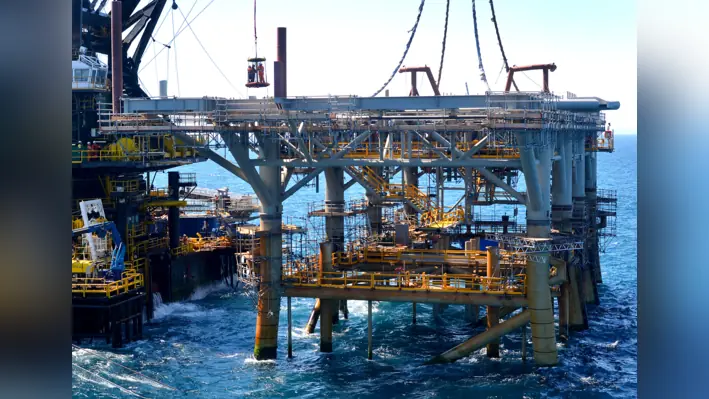
Australia’s offshore energy sector stands at a monumental crossroads.
Beneath the churning waves, an industrial transformation of unprecedented scale is underway. Australian operators and regulatory bodies face an incredibly complex dual mandate as the world pivots away from fossil fuels towards a sustainable future. They must safely decommission a sprawling network of ageing petroleum assets whilst simultaneously accelerating the deployment of new offshore renewable energy infrastructure.
The Burden of Ageing Maritime Infrastructure
To grasp the magnitude of this transition, one must look at the physical footprint of Australia's legacy installations. The condition of this infrastructure is defined by its advancing age. Today, more than half of the nation's offshore petroleum assets have been operating for over twenty years, with several facilities exceeding half a century. This aging architecture encompasses over 1,000 wells, various floating and fixed facilities, and nearly 5,000 kilometres of subsea pipelines. As these stalwarts of the fossil fuel era reach the end of their productive lives, the sector faces a colossal wave of decommissioning. The financial liability for safely dismantling these structures over the next fifty years is staggering, estimated between US$30bn and US$50bn.
The Renewable Energy Dawn
As traditional oil and gas strongholds like the Gippsland Basin grapple with declining reserves, a dynamic new era of offshore production is taking shape. To facilitate this, the Australian Government implemented a forward-thinking regulatory framework via the Offshore Electricity Infrastructure Act 2021. This legislation paves the way for the construction, operation, and maintenance of modern marine energy projects. The sector's focus is shifting rapidly towards large-scale commercial offshore wind farms, designated in specific zones to underpin the national energy transition. Feasibility licences are also being explored for alternative marine energies, including offshore solar and wave energy plants. For operators, this creates a delicate balancing act: winding down legacy infrastructure whilst applying deep-sea expertise to construct sustainable energy hubs.
Managing these ocean-bound assets through such a profound transition introduces severe integrity challenges. One pressing risk occurs when production ceases but physical dismantling has not yet begun. During this precarious timeframe, assets enter a highly vulnerable "twilight period." Stripped of human presence, uncrewed platforms and dormant pipelines become exceptionally susceptible to inadvertent damage from routine maritime traffic, such as commercial fishing trawlers. These undetected collisions frequently result in dangerous "silent incidents". Furthermore, recent data reveals that nearly 25 per cent of all offshore wells suffer from some form of well integrity issue. If not rigorously monitored and remediated, these abandoned wells pose a severe hazard to the marine ecosystem.
Compounding these physical risks is a lack of local decommissioning precedent. Unlike the mature markets in the North Sea or the Gulf of Mexico, Australia's decommissioning industry remains in its infancy. This lack of regional experience, exacerbated by specialised equipmencanvat shortages and a fragile supply chain, inflates the risk of budget overruns and safety breaches. Crucially, human factors are taking centre stage. Regulators like NOPSEMA have elevated psychosocial health to a national priority, placing it on par with physical safety protocols. The rationale is clear: effective decision-making under immense pressure is vital for preventing technical failures in these hostile environments.
Forging a Future-Proof Strategy
To safely navigate these risks, operators must urgently adopt dynamic, technology-driven asset integrity management strategies. This approach demands enhanced maritime intelligence, utilising real-time vessel tracking to monitor behavioural patterns around unattended, late-life installations. By anticipating maritime traffic, operators can actively prevent costly collisions. Additionally, integrity strategies must mandate rigorous post-production monitoring for plugged and abandoned subsea wells, extending strict oversight through the entire asset lifecycle.
Risk profiles must remain highly adaptive, ensuring protocols guarantee that risks are maintained "As Low As Reasonably Practicable" (ALARP), heavily relying on remote monitoring and automated alert systems. Success hinges upon collaborative knowledge sharing. By working intimately with NOPSEMA, the Offshore Infrastructure Regulator, and adopting international best practices, Australia can protect its marine environments whilst ensuring commercial viability in a radically transformed energy landscape.
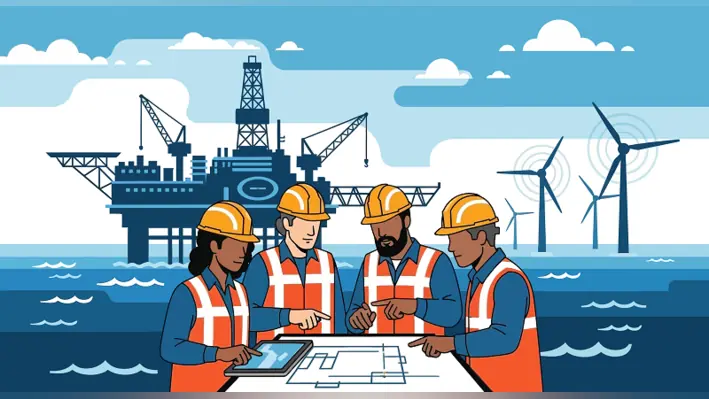
Australia's industrial and energy sectors face immense pressure to maintain ageing infrastructure while managing complex modern operational environments.
At the absolute core of these modern industrial challenges is workforce capability and human factors. In the high-stakes realm of Australian Asset Integrity Management, balancing technical demands with human limitations is no longer just an optional enhancement; it is a fundamental strategic necessity. To ensure long-term sustainability, operators must intentionally "Overcome workforce, budgetary and logistical constraints by building high-performing teams capable of identifying, mitigating and managing critical asset integrity risks."
The Pressures of Workforce and Budgetary Constraints
The Australian industrial landscape is currently grappling with a severe skills shortage, compounded by the realities of an ageing workforce. A substantial proportion of seasoned integrity engineers and specialised inspectors are rapidly approaching retirement age. Their departure represents a profound loss of tacit knowledge, the vital ability to recognise subtle indication patterns or failure precursors that is incredibly difficult to replace with automated technology alone.
Furthermore, stringent budgetary constraints and complex logistical hurdles mean that maintaining safe operations in remote or harsh environments has never been more difficult. Without highly skilled workers available to operate and implement asset integrity strategies, routine maintenance and inspection tasks become prohibitively expensive and practically unachievable. The stakes are remarkably high; poor asset documentation and work-related incidents cost the Australian economy an estimated $28.6 billion annually. Consequently, executives must find innovative ways to do more with less, without compromising on stringent safety standards.
Understanding Human Factors in Asset Management
To effectively counteract these compounding constraints, organisations are increasingly pivoting towards a much deeper understanding of human factors. The National Offshore Petroleum Safety and Environmental Management Authority (NOPSEMA) defines human factors directly as 'the ways in which the organisation, the job, and the individual interact to influence human reliability in hazardous event causation'.
Historically, research has demonstrated that between 75 and 80 per cent of accidents across high-risk sectors involve deficiencies in human performance, rather than purely mechanical or technical failures. Even within highly controlled maintenance environments, human error is a significant vulnerability; for instance, between 12 and 20 per cent of aviation accidents involve maintenance-related human factors. Errors typically manifest as slips, lapses, or mistakes. Slips and lapses occur at the point of task execution—such as accidentally skipping a vital step in an isolation sequence, or loosening a valve when intending to tighten it. By deeply understanding these cognitive and physical interactions, responsible parties can implement robust barriers that dramatically improve human reliability and mitigate potential errors.
Building High-Performing, Resilient Teams
How do organisations overcome these layered challenges and prevent critical errors? The solution lies in building high-performing teams that are technically competent and actively empowered to communicate risk. Modern operators increasingly require multi-skilled personnel who possess cross-disciplinary capabilities spanning condition monitoring and non-destructive testing.
Organisations must minimise operational mistakes through robust competency assurance processes, comprehensive task-based training, and proactive supervision. To build authentic workforce capability, management must foster an open, fair reporting culture where co-workers feel entirely comfortable observing and challenging one another regarding safety practices. Additionally, fatigue risk management, the reduction of external distractions, and proactive resource allocation play a significant role in mitigating human error on the front lines.
As Australian facilities increasingly operate well beyond their original design life, asset integrity has transitioned from a basic maintenance function into a highly strategic risk discipline. While digital transformation and advanced inspection platforms provide essential diagnostic data, they cannot function effectively without a competent, highly accountable workforce to interpret that data. Looking ahead, the future resilience of Australia's industrial sector will depend entirely on these interlocking pillars: robust methodologies, digital tools, and human expertise. Ultimately, investing heavily in the human element is the most robust defence against catastrophic infrastructure failure. By rigorously prioritising human factors and continuous competency development, Australian industries can successfully navigate their current constraints and guarantee the long-term safety of their critical assets.
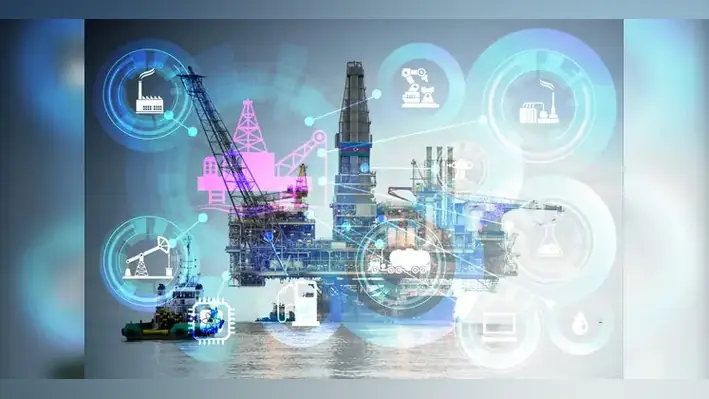
A new collaboration between FutureOn and SteelTrace is set to help operators make faster maintenance and integrity decisions while maintaining a complete audit trail.
FutureOn, a leading provider of digital twin technology for the energy industry and SteelTrace, a cloud-based Smart Manufacturing Record (SMR) platform have agreed to integrate SteelTrace’s Smart Manufacturing Records into FieldTwin, FutureOn’s digital twin platform for offshore energy projects. This will reduce the time spent locating essential documentation, a common challenge across offshore projects.
Material Test Records (MTRs), weld records, coating documentation, Non-Destructive Examination (NDE) results and fabrication sign-offs are created throughout the manufacturing and construction process but are often stored separately from the engineering models and operational systems used to manage offshore assets. Once assets enter operations, engineers can spend valuable time searching disconnected systems and archived documentation to locate the information they need.
The integration will enable operators and EPCIs to access material test records, weld records and inspection data within FieldTwin, providing trusted information for asset integrity, maintenance planning and decommissioning within a single geospatial workspace.
SteelTrace’s blockchain-backed Smart Manufacturing Records (SMRs) replace static PDF certificates with structured, trusted digital compliance records that provide a verified audit trail from raw material through fabrication and installation. By capturing and validating manufacturing and inspection data against project specifications in real time, SteelTrace creates a single, auditable source of truth across the entire asset lifecycle. The integration will bring these records directly into FieldTwin, improving traceability without changing existing engineering workflows.
Tom Meulendijks, CEO and Founder of SteelTrace, said, "Every offshore asset has a history. From the steel mill through fabrication and installation, thousands of records are created to demonstrate quality and compliance. The challenge isn't creating that information, it's making sure engineers can easily access it years later when they need it most.
“By connecting SteelTrace with FieldTwin, we're making verified material records available alongside the asset itself.”
Filip Valica, VP Corporate Development at FutureOn, said, "A digital twin only delivers real value when it gives engineers immediate access to the information behind the asset. As offshore infrastructure matures, operators need trusted material information to extend asset life, support maintenance and plan for decommissioning.
“Bringing SteelTrace's verified material records directly into FieldTwin enables operations teams to quickly access the documentation they need to support maintenance, in-field repairs and decommissioning without searching across multiple systems."
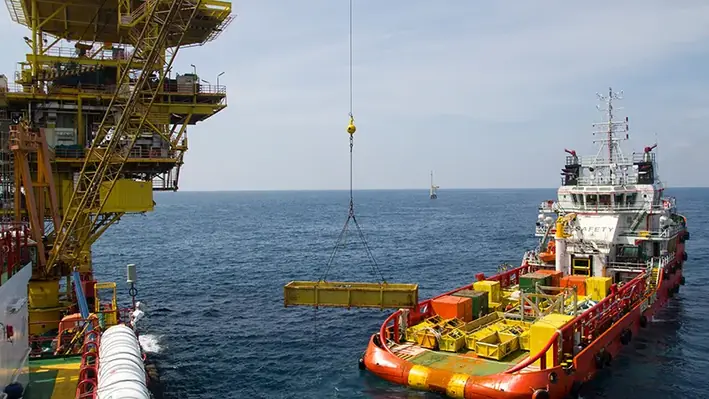
As Australia's offshore decommissioning industry grows, lifting operations are becoming more frequent, more complex and potentially more hazardous.
That is one of the core messages from an article in the latest issue of The Regulator, the journal of the National Offshore Petroleum Safety and Environmental Management Authority (Nopsema).
Removing ageing platforms, subsea equipment and heavy structures presents risks that go beyond routine operations, making careful planning, maintenance and decision-making more important than ever.
“Analysis from Nopsema and international regulators shows that lifting incidents have increased over the past decade, even as safety systems have improved,” the article notes.
“This trend reflects changes in the offshore environment. Even though the number of cranes used offshore has not increased over the past 10 years, operations are becoming more complex, with heavier lifts, more simultaneous activities and increased use of large-scale equipment. Offshore decommissioning and the growth of offshore wind have also contributed to a rise in lifting activity.”
The articles cites the example of a 40-tonne subsea module dropping to the seabed after a degraded crane wire failed, demonstrating the consequences of deferred maintenance — an issue that becomes more significant as operators dismantle ageing offshore infrastructure.
“Ageing infrastructure is another factor,” the article notes. “As assets mature, maintaining structural integrity and equipment performance becomes more challenging, particularly where inspection and maintenance tasks are deferred.”
As well as ageing assets, with equipment and structures that may have deteriorated over decades, several other key points are particularly relevant to decommissioning in terms of offshore lifting.
These include the tendency toward heavier and more unusual lifts — decommissioning often involves removing large modules, pipelines and subsea infrastructure that were never designed to be lifted again.
Changing conditions are also significant factors, as corrosion, marine growth and structural degradation can make lifts more complex than engineering drawings might suggest.
Commercial pressures, with projects often operating to tight schedules and budgets, creates a further challenge.
But the biggest threat in offshore lifting is often a combination of human behaviour, the Nopsema article notes, alongside production pressure and failures to follow safety controls, which can quickly turn routine lifts into serious incidents.
As offshore decommissioning accelerates in Australia over the coming decades, lifting safety will be a defining challenge.
Success may hinge not only on engineering and technology, but on robust planning, maintaining lifting equipment, and fostering a culture where workers not only adhere to strict safety protocols, but are empowered to stop operations when something does not look right.
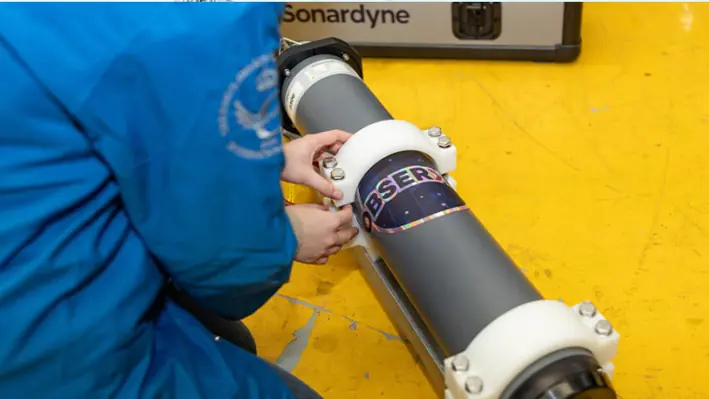
Sonardyne, a specialist in underwater technology, has signed a MoU with international advanced engineering company, AMOG, to provide a complete subsea asset monitoring service for offshore energy infrastructure operators.
The partnership will combine Sonardyne’s underwater monitoring, positioning and communication technologies, with AMOG’s engineering assessment expertise to unlock asset insight, reduce downtime and enable life extension. The partnership will cover floating offshore wind and oil and gas moorings, as well as pipelines and risers.
The collaboration effort will include use of Sonardyne’s Observer wireless intelligent subsea asset integrity monitoring solutions.
Dr. Hayden Carcollo, Director of AMOG, said, “Combining high quality subsea data, processes at source on Observer, with advanced engineering assessment, will provide asset owners with more actionable, near real-time insight into the condition and behaviour of critical subsea infrastructure through a single solution.
“For operators, this could support earlier detection of anomalies, improved understanding of loads and motions, and more informed decisions around inspection, maintenance and integrity management, as well as asset longevity, in one end-to-end solution.”
Frank Rose, Business Development Manager at Sonardyne, commented, “By integrating on-demand and long-term monitoring data from subsea environments with engineering models and analytics, there is an opportunity to provide a more complete picture of asset performance – whether supporting day-to-day operations, integrity assurance or life extension strategies. By working alongside AMOG, we’re exploring how data and engineering assessments can come together to give operators greater confidence in the way their subsea assets are performing, today and over the long term.”