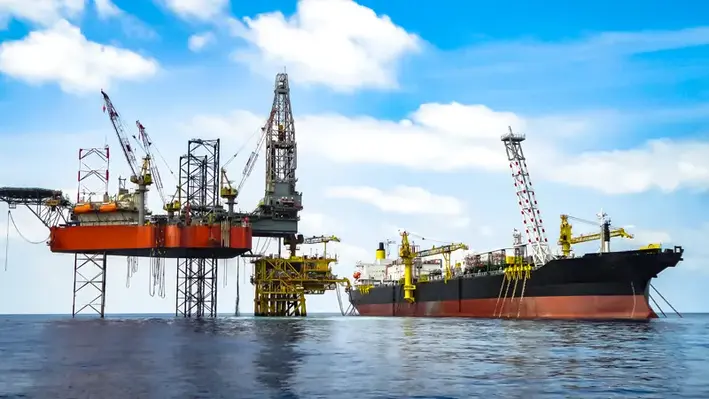

 North America, Europe and Asia Pacific are shaping today's offshore decommissioning market as it is projected to grow at a compound annual growth rate (CAGR) of approximately 6-8% over the next six years.
According to an analysis by experts, growth of the global offshore decommissioning market is inevitable as the oil and gas industry is looking towards an ever-increasing numbers of retiring assets.
“With many offshore oil fields approaching the end of their productive life, companies are focusing on cost-effective and environmentally responsible methods for decommissioning platforms, subsea structures, and pipelines.
“The market’s trajectory underscores the importance of innovation, regulatory compliance, and environmental stewardship in shaping the future of offshore asset retirement,” reads an analysis by Market Research Future.
North America is looking at a chunk of mature offshore assets that are awaiting decommissioning, and the region is trying to keep up with the liabilities by leveraging advanced technologies such as artificial intelligence, Internet of Things and data analytics, among others. The region is spearheading the market, driven by its robust technological ecosystem, early adoption of advanced solutions, and sustained investments in innovation and automation.
While North America still enjoys comparatively stable demand patterns owing to established infrastructure and matured market conditions, its regulatory frameworks are going through a phase of steady evolution to accelerate turnarounds of its decommisssioning liabilities.
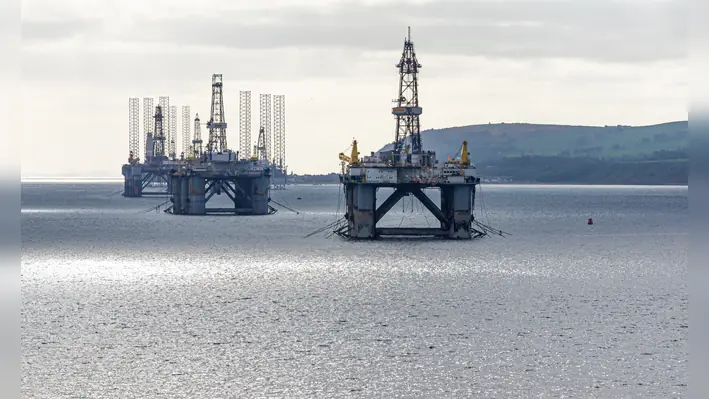
 Operators are likely looking at cost-effective decommissioning in future with the 'rollback' of supplemental financial assurance rule that has recently been announced by the United States Interior Department.
This, the department officials believe, can be achieved from the ultimate cost optimisation approach that drives the new proposal, which will potentially bring a shift in the Bureau of Ocean Energy Management's evaluation of financial risks.
It will allow BOEM to approve new projects of significant capital investments for companies while securing taxpayers' contribution by leveraging updated risk metrics and data from the Bureau of Safety and Environmental Enforcement.
This development will replace the 2024 rule that mandated companies to set aside as much as US$6.9bn in supplemental financial assurance. About US$6bn of that burden were likely shouldered by small businesses that make up most of the operators on the Outer Continental Shelf.
According to DOI, the proposal will help maintain strong accountability for lessees and grant holders under the Outer Continental Shelf Lands Act but reduces “excessive financial barriers” that can hinder progress.
Saving about US$484mn annually in compliance costs, the move can potentially unlock billions of dollars for investment, exploration, production and employment generation.
“For too long, Washington red tape has strangled American energy producers and held back small businesses,” said Interior Secretary Doug Burgum. “President Trump is delivering on his promise to put American workers first, cut burdensome regulations and unleash our vast energy potential. These updates will free up billions of dollars for exploration and development, create good-paying jobs and unlock domestic energy production so we are never forced to rely on foreign adversaries for the resources that power our economy.”
The DOI said that the Bureau of Ocean Energy Management (BOEM) is acting in response to President Trump’s Executive Order 14154, “Unleashing American Energy.”
The proposed changes will be published in the Federal Register with a 60-day public comment period.
Welcoming the change, the Independent Petroleum Association of America's Executive Vice President and Chief Policy Officer, Dan Naatz, said, “We applaud the Trump Administration for taking steps to roll back the flawed financial assurance rule promulgated during the Biden Administration. Had it been fully implemented, the Biden rule would have disproportionately affected independent offshore oil and gas producers and had them bear most of the associated costs."
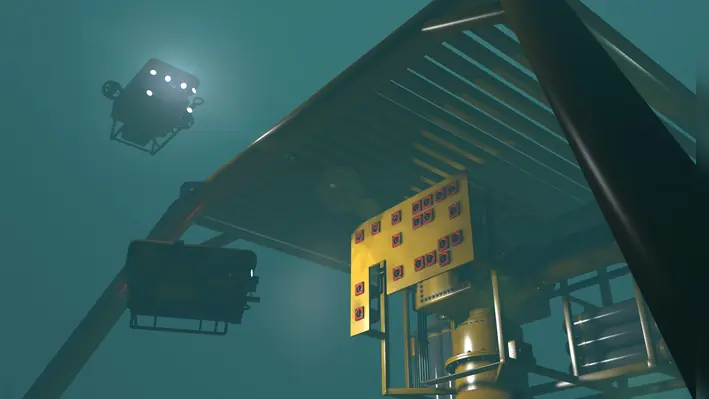
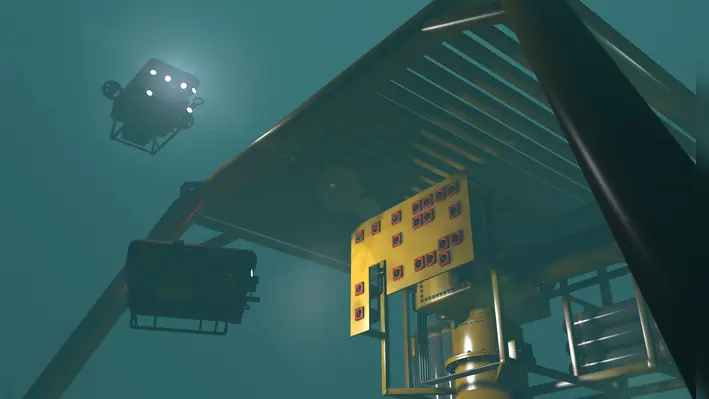 Energy technology company, SLB's joint venture, OneSubsea, has signed an agreement to initiate the acquisition of Norway-based Envirex Group AS' subsea business.
The transaction makes Envirex's subsea segment part of SLB OneSubsea, with the former's specialised technologies and research and development expertise adding to the latter's global technology portfolio. This timely launch in a ever-dynamic subsea market will advance the deployment of new technology solutions, providing global clients with a diverse range of innovative services to choose from.
"This agreement represents a natural next step in a collaboration that has developed over more than a decade,” said Mads Hjelmeland, chief executive officer of SLB OneSubsea. “Once completed, the transaction would strengthen our technology portfolio and enhance the value we deliver to our customers."
The transaction is expected to close in the first half of 2026, subject to regulatory approvals and other customary closing conditions.
Based in Oslo and Houston, SLB OneSubsea is a joint venture by SLB, Aker Solutions and Subsea7. The joint venture is working to define a new era of subsea services by leveraging technology and innovation for a sustainable offshore industry.

 Baker Hughes will supply critical gas compression, power generation equipment, and project development support to ST LNG’s proposed LNG export terminal offshore Texas.
As part of the agreement Baker Hughes will provide two LM6000PF gas turbine-driven centrifugal compressor trains and three NovaLT16 gas turbine generator packages to secure the necessary production capacity for the first phase of the project.
The project is expected to deliver 2.1 million tonnes per annum (MTPA) as part of a planned four-phase development which will provide 8.4MTPA once complete.
ST LNG CEO, Sharad Tak, said, “As we advance toward completion of the project’s first phase, selecting proven technology from a reliable partner with deep domain expertise is essential. Baker Hughes’ extensive experience across LNG projects, including complex offshore environments, provides confidence that the ST LNG facility will achieve first LNG in the second quarter of 2030. Their ability to deliver a comprehensive equipment solution, combined with their commitment to supporting project development, is a key enabler in advancing our deepwater LNG port.”
Baker Hughes’ Chairman and CEO, Lorenzo Simonelli, commented, “Our LNG solutions portfolio is designed to support a wide range of operational requirements, from large-scale onshore facilities to specialized offshore applications such as ST LNG’s. We look forward to working closely with ST LNG to deliver reliable, efficient and lower-carbon solutions.”

The USA’s Department of the Interior is proposing updates to reduce costly regulations on the offshore oil and gas industry, which would effectively reduce the amounts companies need to set aside for future decommissioning.
The proposal follows President Trump's Executive Order 14154 "Unleashing American Energy" which aims to exploit the full potential of the USA's energy resources by getting rid of "burdensome" regulations. It would rescind requirements from a 2024 rule that forced companies to set aside around US$6.9bn in supplemental financial assurance to cover potential costs of decommissioning activities. Around US$6bn of that would have fallen on small businesses, which make up most of the operators on the Outer Continental Shelf. At the time, the rule was challenged by the Republican-led states of Louisiana, Mississippi and Texas and oil and gas industry groups, who argued that it would result in "potentially existential consequences" for small and medium-sized companies.
The change is expected to save industry around US$484mn each year in compliance costs.
“For too long, Washington red tape has strangled American energy producers and held back small businesses,” said Interior Secretary Doug Burgum. “President Trump is delivering on his promise to put American workers first, cut burdensome regulations and unleash our vast energy potential. These updates will free up billions of dollars for exploration and development, create good-paying jobs and unlock domestic energy production so we are never forced to rely on foreign adversaries for the resources that power our economy.”
The proposal would modernise how the Bureau for Ocean Energy Management (BOEM) evaluates financial risks and lower the amounts companies must set aside for future decommissioning. By using updated risk metrics and data from the Bureau of Safety and Environmental Enforcement, BOEM would ensure taxpayer protections remain in place while allowing companies to invest more capital in new projects.
The proposal maintains strong accountability for lessees and grant holders under the Outer Continental Shelf Lands Act, but reduces excessive financial barriers that have slowed growth, according to the BOEM.
The proposed changes will be published in the Federal Register with a 60-day public comment period.

 Promethean Energy, Enovate AI and POOLE Oil & Gas Services have announced a strategic partnership to advance responsible offshore platform decommissioning, artificial intelligence applied from reservoir to the wellhead, and advanced production and process flow optimisation work
They are working to devise a new model that combines Artificial Intelligence, reservoir analytics, and Carbon Capture & Sequestration to push the boundaries of just platform removal to repurposing it. The partners are looking at this strategically in terms of tackling decommissioning liabilities as it will potentially extend value, reduce costs and improve operational efficiency across the Gulf of America.
The region is anticipated to become one of the largest carbon storage hubs on the planet as it is currently one of the biggest industrial carbon emittors in the world, thanks to its innumerable refineries, petrochemical plants, LNG facilities, power generation facilities and offshore depleted reservoirs. This makes way for a largely untapped storage potential for captured CO2.
When it comes to abandoned reservoirs, repurposing to a CO2 injection and monitoring facility instead of decommissioning promotes sustainability while saving costs significantly. Existing assets that can be converted includes platform structures, subsea pipeline systems, monitoring and instrumentation systems, while wellbores can be transformed to injection wells.
The Gulf of America is especially well suited to adopt the CCS transition as it is already looking towards a vast network of offshore infrastructure and established pipeline corridors.

 As part of its measures to advance responsible offshore energy development, the Bureau of Ocean Energy Management has published the Final Programmatic Environmental Impact Statement for Gulf of America Regional OCS Oil and Gas Lease Sales and Post-Lease Activities.
It comes with a solid environmental review framework with a robust and transparent environmental evaluations for future exploration, development, and decommissioning activities in the Gulf. This development has also been supported by bodies such as the United States Government Accountability Office, which had expressed the need for clearly defined timelines, when it comes to decommissioning.
It had pushed for better enforcement of decommissioning deadlines in a safe manner on BOEM's part, ensuring thorough execution of the actions planned. GAO's proposals came on the basis of extensive reviewing of laws, regulations, implementing guidance, policies, procedures, budget justifications, and other documentation related to the bureau's decommissioning deadlines.
It had pointed out the urgency of addressing long-standing issues such as effectiveness of enforcement tools, deadlines delivery, supplemental bonding levels and operational standards.
On the status of bonding coverage for decommissioning liabilities, GAO proposed on adopting a reporting mechanism or additional direction laying out how BOEM can balance the priorities set by the Outer Continental Shelf Lands Act, including safety, environmental protection, development of resources, conservation of resources. This will help to promptly address the risks pertaining to decommissioning liabilities, enabling timely decisions on future mitigation measures.

 Buccaneer Energy that operates exploration and production activities in Texas, United States, has completed an organic oil recovery pilot project in its Pine Mills field in East Texas.
One injector and two of four producing wells in the Northern section of Pine Mills (Battery 3 area) were subjected to treatment, resulting to a 100% production boost. To facilitate the process of organic oil recovery, a nutrient mixture was injected into the reservoir to stimulate the growth of naturally occurring microorganisms. The rapid growth of these microbes converts the surface properties from hydrophilic (attracted to water) to hydrophobic (repelled by water). This leads to better mobility of residual oil within mature waterflood systems, as the microbial action reduce the interfacial tension between the rock face and the reservoir oil. One treated producer experienced a significant reduction in water cut immediately following treatment.
The post-treatment period has not only recorded an increase from 15 bopd to approximately 30 bopd but maintained consistency. Water cut was nil from 80% in one of the treated wells.
With costs akin to any routine field workover, the company is currently planning follow-up treatment of the remaining two producing wells.
The company will continue to evaluate production performance at the treated wells while also designing the next phase of field implementation.
Paul Welch, Buccaneer Energy's Chief Executive Officer, said, "We are very encouraged by the success of the Pilot Project where average production from the area treated increased 100% to 30 bopd. The initial results significantly exceeded our expectations. The process is well-suited to mature waterfloods, like Pine Mills, where the "easier oil" has been produced and a large amount of residual oil remains in place. Efficiently dislodging this residual oil has a significant impact on production rates. One of the treated producers in the Pilot went from an 80% water cut to a 0% water cut after treatment, a remarkable result.
"Most importantly, the cost of this treatment is modest and comparable to a routine workover, meaning it can be applied without a material capital investment.
"As highlighted in our recent reserve update, Pine Mills carries an NPV10 of approximately $9.6 million at $60 oil pricing. Our current market capitalisation is approximately £1.3 million. Our focus is on closing that gap through incremental production growth, improved recovery and disciplined execution. We see this programme as a practical step toward converting underlying reserve value into cash flow and look forward to updating shareholders as we expand the initiative across the field."

A new report from Fortune Business Insights on the global offshore decommissioning market forecasts that the North America decommissioning market will grow at a CAGR of 7.06% from 2026 to 2034, the highest rate regionally after Europe.
The North America offshore decommissioning market size stood at around US$2.26bn in 2025, accounting for roughly 26.49% of the global market size, valued at US$8.52bn in 2025, according to the report. The region contains over 14,000 inactive offshore wells and more than 2,000 decommissioned platforms, creating a continuous pipeline of abandonment work. Many shallow-water platforms installed in the 1970s–1990s are at the end of their life, while deepwater fields sanctioned in the early 2000s are now entering late-life phases.
Offshore decommissioning is driven mainly by ageing assets, regulatory enforcement, and the economic reprioritisation of offshore portfolios, the report notes. Large energy companies are exiting marginal offshore fields to reallocate capital toward higher-return assets, including LNG, deepwater hubs, and low-carbon investments.
The report highlights the shift from multi-vendor execution toward integrated single-contract (EPC-style) decommissioning models, enableing operators to lock in costs early, transfer execution risk, and simplify regulatory compliance through a single accountable entity. Contractors with combined capabilities, including heavy-lift removal, subsea services, well P&A coordination, and access to certified recycling yards, are gaining a competitive advantage.
Challenges for offshore decommissioning include the high capital intensity combined with cost uncertainty, which continues to delay project sanctioning despite regulatory pressure. Decommissioning expenditures require substantial upfront capital for well plugging and abandonment, heavy-lift vessel mobilisation, subsea clearance, and onshore dismantling. For operators managing multiple late-life assets, these costs compete directly with sustaining capital expenditures (capex) and balance-sheet priorities, often leading to phased or deferred execution rather than complete removal.
One of the most critical challenges is execution complexity arising from legacy infrastructure and incomplete historical data, with many offshore fields scheduled for decommissioning developed before standardised digital asset management and modern integrity documentation came into use. This lack of reliable data increases the risk of encountering unknown well conditions, undocumented tie-ins, or degraded materials during execution.
Offshore decommissioning presents significant opportunities driven by project aggregation, specialisation, and industrialisation of removal activities rather than one-off asset retirement, the report notes. As decommissioning volumes rise sharply in mature basins, operators are increasingly bundling multiple platforms, wells, and subsea assets into multi-field or basin-wide decommissioning programmes. This creates opportunities for contractors to secure long-term framework agreements, enabling fleet optimisation, repeatable execution, and margin stability through scale efficiencies.
Another key opportunity lies in late-life asset transfer and decommissioning-only operators. The report notes that financial investors and specialist firms are acquiring end-of-life offshore assets specifically to execute decommissioning at lower cost through lean operating models and optimised contracting strategies, opening the market for advisory, engineering, and execution partners with specialised decommissioning expertise rather than traditional exploration and production (E&P) capabilities.
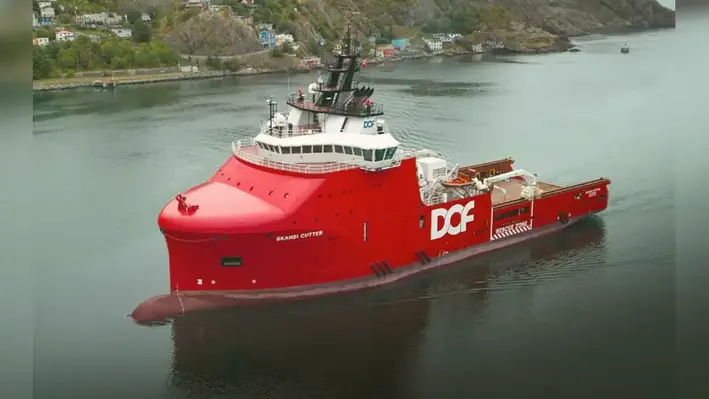
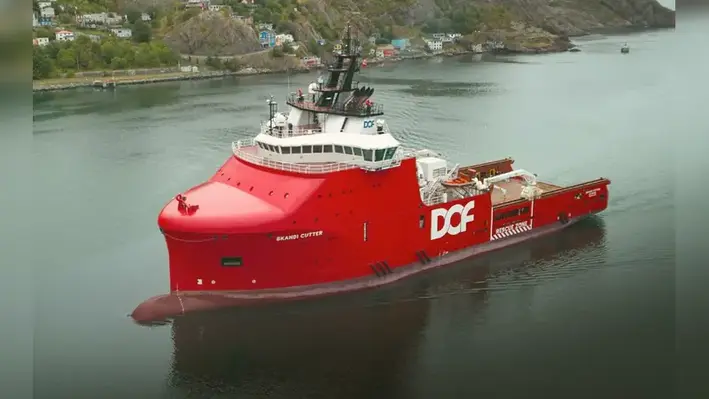 DOF Group ASA has secured a significant new contract from Shell Offshore Inc., strengthening its position in the North American offshore energy market.
The agreement covers the delivery of hydraulic subsea well intervention services and falls within DOF’s substantial contract category, valued between US$mn and US$50mn.
The work will be handled by DOF’s subsea team based in North America, which will oversee the project from planning through to offshore execution. This includes full responsibility for project management, engineering, the intervention vessel, and all surface and subsea services required to inject chemical fluids into selected subsea wells. The contract highlights DOF’s capability to provide fully integrated solutions for complex offshore operations.
Offshore activities are expected to begin in the second quarter of 2026. Vessel operations in the United States Gulf are planned to span between 75 and 120 days, reflecting a strong level of utilisation and a well defined operational schedule.
Mons S. Aase, CEO DOF Group ASA, said, “I am delighted to see how DOF is continuously expanding our portfolio of services and adding value to our clients and other stakeholders.”
This contract represents another step forward for DOF as it continues to broaden its service offering and deepen relationships with major international energy companies. It also underlines the company’s focus on delivering reliable, high quality subsea services while supporting efficient and safe offshore operations in one of the world’s most active energy regions.
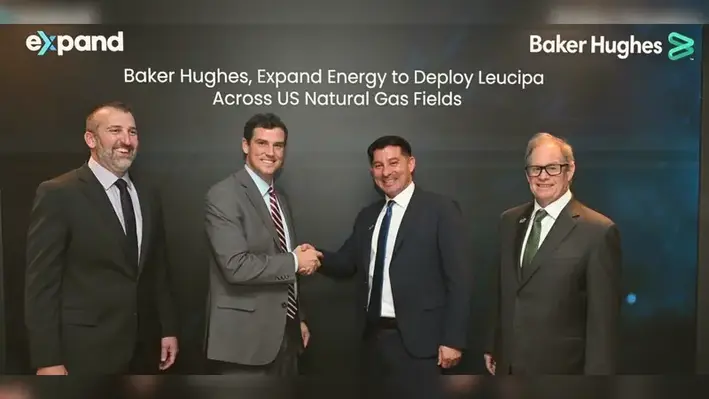
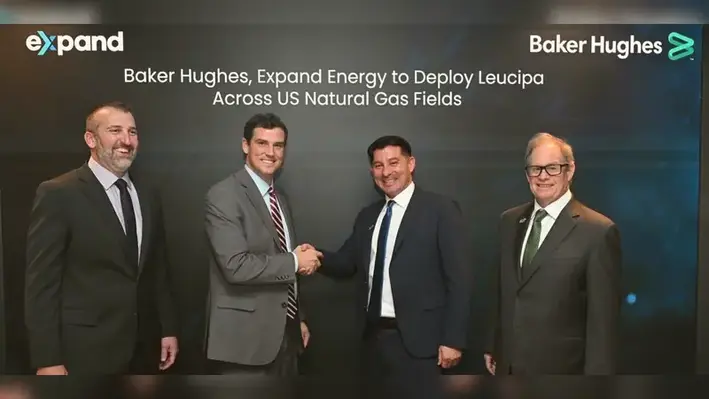 Energy technology company, Baker Hughes, has secured a multi-year contract from North America’s natural gas producer, Expand Energy, to deploy its Leucipa automated field production solution that will cover multiple gas-producing wells in the region.
The deployment of Leucipa will empower North America’s natural gas supply chain while advancing production optimisation for Expand Energy. Equipped with artificial intelligence-powered Production Management and Field Optimizer services, Leucipa will make a big difference in Expand Energy's operational efficiencies by generating advanced workflows. It will establish seamless connection across a diverse portfolio of gas-producing wells, driving more informed, data-driven decisions.
Expand Energy will also launch a pilot of Lucy, the Leucipa AI Production Assistant, which provides real-time analysis of production data through a generative AI-powered conversational interface to simplify decision-making in the field.
“This collaboration illustrates how digital technologies are reshaping the economics of natural gas production,” said Amerino Gatti, executive vice president of Oilfield Services & Equipment at Baker Hughes. “By providing comprehensive, real-time insights for wells, fields, and basins across the United States, Expand Energy can achieve greater efficiency, reliability, and sustainability across the natural gas value chain.”
Leucipa will be deployed as SaaS on Amazon Web Services (AWS), providing Expand Energy a secure, scalable environment for broad deployment and simplified management across their nationwide portfolio.
This agreement will co-develop new workflows that integrate seamlessly with Expand Energy’s existing digital tools. Workflows for gas nominations and field forecasting will provide more certainty for contract commitments and scenario modeling. Leucipa’s flexible architecture will also help integrate Expand Energy’s edge, on-prem and cloud-based systems into a unified framework.
“This collaboration marks a significant step forward in the digital transformation of our upstream operations,” said Josh Viets, executive vice president & chief operating officer at Expand Energy. “By deploying AI-powered systems across our nationwide network of wells, Expand Energy will enhance the value of our assets through more efficient and reliable delivery of energy to our customers.”
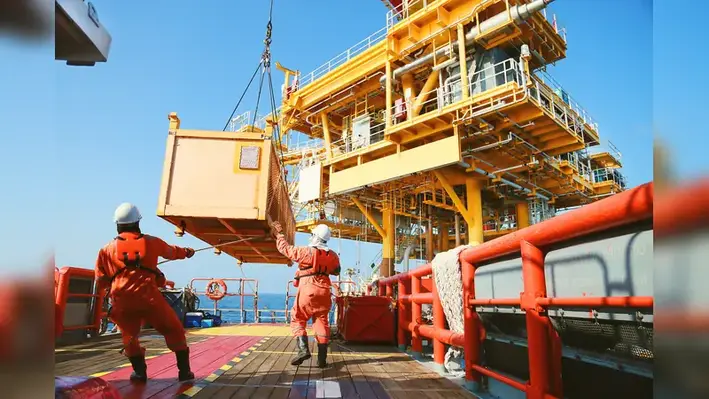
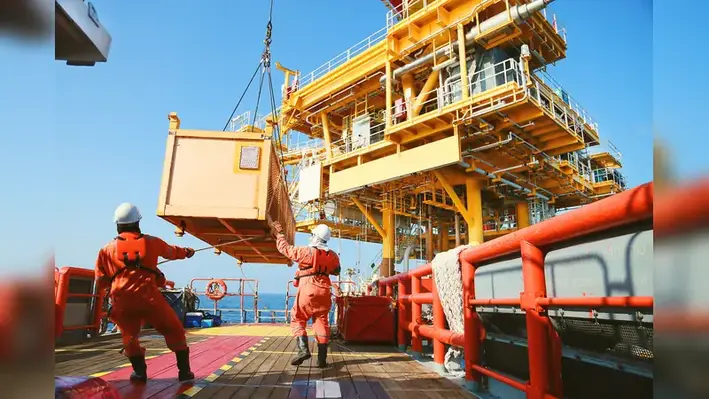 By signing a decommissioning definition engineering contract from QatarEnergy, a Houston-based company from the United States called McDermott will be facilitating the State of Qatar's inaugural offshore decommissioning initiative.
Services will include the development of a comprehensive technical and commercial framework followed by detailed techno-economic studies before the safe initiation of systematic retirement and removal of 27 aging offshore platforms. This will be covering a vast network of subsea infrastructure—including subsea cables and pipelines—located in the Al-Karkara, Idd El-Shargi and Maydan Mahzam fields.
With definition engineering set to start from its Doha base, McDermott's Senior Vice President representing Offshore Middle East, Mike Sutherland, said, "As the first decommissioning project of its kind in the country, and given the scale of assets to be retired, this award represents a significant milestone and an exciting new chapter for McDermott, QatarEnergy and the State of Qatar...We are uniquely positioned to deliver a landmark framework that will set new industry benchmarks and establish best-in-class standards for future decommissioning efforts in the region and beyond."
"McDermott has installed the majority of Qatar's offshore assets," added Neil Gunnion, Qatar Country Head and Vice President, Operations. "We are proud to apply decades of experience to continue delivering innovative, lifecycle-focused energy solutions through our long-standing, trusted partnership with QatarEnergy."
While originally from the United States, McDermott's global client base has not only earned it deep knowledge and expertise on offshore assets and their strategic decommissioning but also efficient project delivery with minimal operational risk and maximum environmental responsibility. The company leverages its years of understanding of the engineering, procurement, construction and installation (EPCI) phases for a smooth transition from decommissioning definition engineering to execution.
Copyright © 2026 Offshore Network