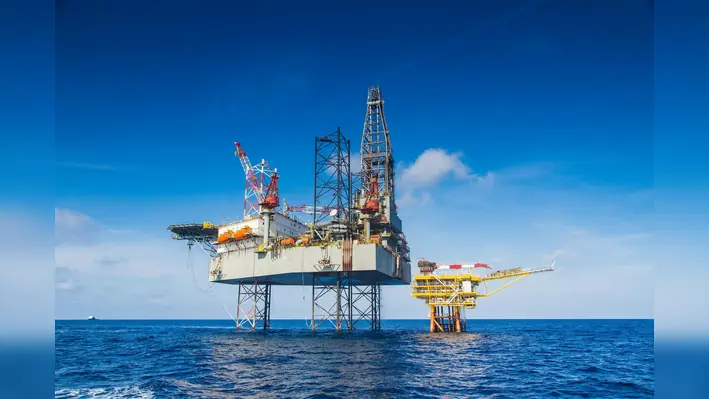

Talos Energy has eliminated approximately US$54 million in asset retirement obligations (ARO) and decommissioning obligations following the completion of its divestment of non-core shelf assets.
In its Second Quarter 2026 Operational and Financial Results, Talos said it had completed the divestment of its non-core shelf, non-operated gas assets on 15 July 2026. The transaction eliminated approximately US$54 million in ARO and decommissioning obligations.
The company also reported US$112.5 million in capital expenditures during the second quarter, excluding plugging and abandonment and settled decommissioning obligations.
The results cover the three months ended 30 June 2026 and include Talos’ operational and financial performance for the period.
The company highlighted the completed non-core shelf divestment as part of its strategic developments during the quarter. The transaction removes the associated asset retirement and decommissioning obligations from Talos’ portfolio.

Talos Energy has completed a workover on the Genovesa well and returned it to production, marking a key well intervention milestone during the second quarter of 2026.
The company reported the completion of the workover as part of its latest operational and financial results for the three months ended 30 June 2026. The well was brought back online late in the second quarter as Talos continued to focus on improving the performance and reliability of its offshore production portfolio.
Alongside the Genovesa intervention, Talos completed drilling operations at Monument #3, where the well encountered approximately 250 feet of net pay, in line with pre-drill expectations. The company also began its Daenerys appraisal well programme, with results from the first appraisal well expected by the end of 2026.
The operational progress contributed to stronger-than-expected production during the quarter. Talos produced 68.6 thousand barrels of oil per day and 93.7 thousand barrels of oil equivalent per day, with both oil and total equivalent production exceeding the company's guidance ranges. Talos attributed the performance to strong uptime and well performance.
The company generated $300.6 million in net cash from operating activities and US$231.6 million in Adjusted Free Cash Flow. Net income was US$149.7 million, while Adjusted EBITDA reached $402.4 million.
Talos invested $112.5 million in capital expenditure during the quarter, excluding plugging and abandonment and settled decommissioning obligations. At 30 June 2026, the company held $577.6 million in cash, with an undrawn credit facility and net debt to LTM Adjusted EBITDA of 0.5x.
Beyond the completed Genovesa workover, Talos is progressing several offshore development and exploration activities. The company announced a strategic development farm-in transaction with Repsol in offshore Mexico Block 29 and agreed to acquire an 80% operated interest in an offshore Honduras block covering more than 4 million gross acres through a seismic commitment.
Talos also announced the acquisition of Gulf of America deepwater oil assets from Shell, with the transaction expected to close during the third quarter of 2026. BP elected not to exercise its preferential right.
The company raised its full-year 2026 production guidance midpoint to 66 MBo/d and 89 MBoe/d, excluding the announced Gulf of America acquisition and after adjusting for the closed non-core shelf divestment.
Talos further strengthened its financial position through the issuance of US$800 million of 8.000% notes due 2034. The proceeds were used to fully redeem $625 million of 9.000% notes due 2029 and fund part of the previously announced Gulf of America acquisition.
Looking ahead, the company has also secured a rig contract for the West Vela drillship, which is scheduled to commence in mid-2027 for an initial one-year term with extension options.
"The second quarter marked another meaningful step forward in the execution of our strategy and reinforces our confidence in the long-term value creation opportunities ahead," said Paul Goodfellow, President and Chief Executive Officer of Talos.
"We advanced all three pillars of our strategic framework as we continue to build a long-lived, scaled portfolio by expanding our deepwater scale, enhancing our development inventory through greenfield opportunities, and adding large-scale exploration potential at low entry cost. At the same time, our teams continued delivering on the Optimal Performance Plan, achieving more than 65% of the 2026 target in the first half of the year and demonstrating our relentless focus on operational excellence, cost discipline and value creation.
These strategic achievements were complemented by strong execution across our base business. We exceeded the high end of our production guidance ranges, increased our full-year production outlook and generated record Free Cash Flow. We also commenced the Daenerys appraisal program, which has the potential to further enhance the longevity of our deepwater portfolio.
Taken together, these accomplishments demonstrate our ability to successfully execute on both fronts – advancing our Three Strategic Pillars while continuing to deliver exceptional operational and financial results from our base business. With strong momentum across the organization, we remain focused on building the foundation to be a leading pure-play offshore E&P and look forward to closing the previously announced Gulf of America bolt-on acquisition later in the third quarter."
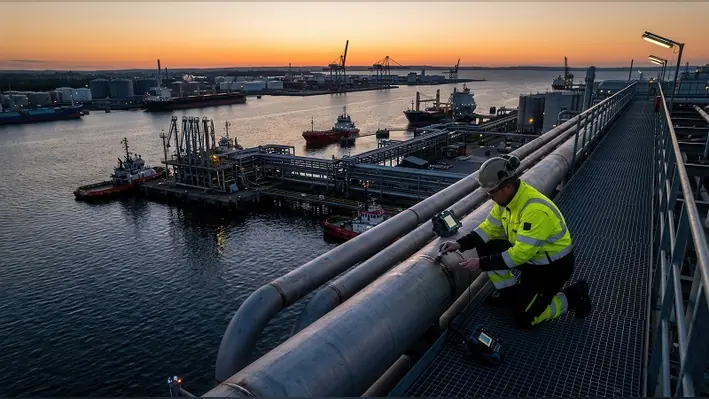
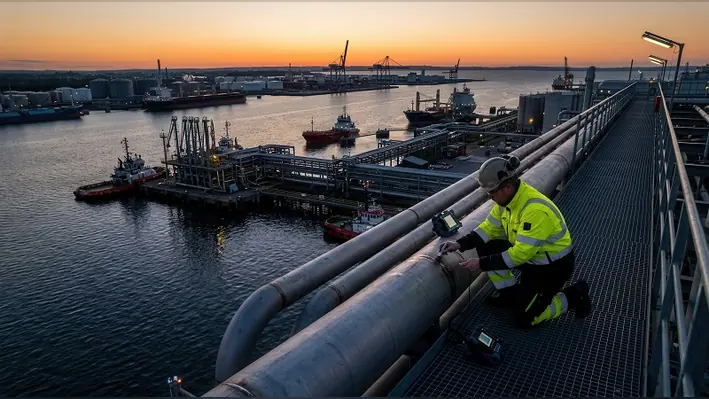 As Shell Offshore Inc gives up 50% non-operated working interest in the Na Kika platform and associated fields in the Gulf of America, buyers Talos Energy and Ridgewood Energy will be required to assume certain decommissioning obligations with security coverage.
Approximately US$1.7bn transaction, it will also include the Coulomb tieback, which belonged entirely to Shell.
In Shell's outlook, Na Kika and Coulomb can be considered rapidly declining assets, which may reach end of life over the next few years. Last year, the assets generated around 37,000 barrels of oil equivalent per day for Shell. Its proven reserves generated from Na Kika by the end of 2025 were 4.3 million barrels of oil equivalent (boe) while from Coulomb it were 7.2 million boe. The major is now reshaping its deepwater asset portfolio with a focus on attaining scale, efficiency and infrastructure.
“The Gulf of America is one of our highest-value basins, and we are actively shaping our portfolio to ensure our Upstream business continues to be resilient and increasingly competitive,” said Peter Costello, Shell’s Upstream President. “We remain focused on sustaining our material liquids production into the next decade.”
The Na Kika semi-submersible platform is Shell’s only non-operated platform in the Gulf of America, which began producing in 2003. bp, as operator of the platform, holds the remaining 50% working interest. The Coulomb tieback has been producing since 2005.
The United States remain a key market for Shell, with operations and interests in all 50 states. The company is one of the frontrunners in the Gulf of America as deepwaters operator, with significant presence in the region as an oil and gas producer and US LNG buyer.

 As part of portfolio optimisation and growth strategy, Baker Hughes Company's acquisition of Chart Industries comes as a value addition for the industrialised energy solutions company.
“Chart’s thermal management solutions bring complementary capabilities and aftermarket service offerings that accelerate our portfolio strategy,” said Baker Hughes Chairman and Chief Executive Officer, Lorenzo Simonelli. “Together, we will expand the solutions we deliver across a broader range of energy and industrial markets and create greater value for customers and shareholders. We welcome our new colleagues to Baker Hughes and look forward to working with them to deliver disciplined execution and maximise synergies as we move forward.”
Baker Hughes Chief Infrastructure & Performance Officer Jim Apostolides has been appointed senior vice president to lead the Chart segment.
“Congratulations to Jim on his well-deserved appointment as segment leader,” Simonelli added. “Jim’s business rigor, demonstrated through decades of global supply chain experience and operational leadership of large complex facilities around the world, makes him well-suited to lead implementation of the Baker Hughes Business System within Chart. We look forward to his leadership and continued success, quickly delivering value for our customers and shareholders as one company.”
Chart will be a new reporting segment within Baker Hughes, adding to the scale and strategic importance of its diverse services in air and gas handling, thermal management, and lifecycle services. For Chart, the acquisition means full integration and synergy capture across Baker Hughes while keeping its commercial and operational focus intact.
Baker Hughes is increasingly prioritising synergy capture in supply chain, functional support and manufacturing to achieve cost optimisation. Its signature Business System is supporting operational alignment as part of its newly launched comprehensive integration programme. The Chart acquisition will solidify Baker Hughes' industrial portfolio and enhanced recurring aftermarket services.

Energy data and AI specialist Enverus has expanded its subsurface data offering with the acquisition of the A2D well log library from TGS, bringing what it says is the world's largest commercial well log database onto its energy intelligence platform.
Announced on 8 July, the deal adds more than eight million depth-calibrated raster logs, 1.9 million digital LAS files and over five million proprietary well logs covering every major US producing basin.
Financial terms of the transaction were not disclosed.
Enverus said integrating A2D's well logs, formation tops and petrophysical data with its existing production, completions, land, ownership, cost and economics datasets will give customers a more connected view of the subsurface, helping them move from geological interpretation to commercial decision-making more quickly.
"We have always believed energy data becomes more valuable when it is connected," said Manuj Nikhanj, CEO of Enverus.
"A2D brings subsurface depth and quality that customers have trusted for decades. When logs, tops and petrophysics can be connected with production, completions, ownership, costs and economics, teams can move from understanding the rock to understanding the return."
The acquisition also brings more than two million interpreted formation tops, basin temperature models and analytics-ready log attributes into the Enverus platform, allowing users to carry out basin-scale reservoir analysis without moving between multiple systems. Existing A2D licensing and subscription agreements will remain in place.
For TGS, the transaction marks the next chapter for a well log library that has been built up over more than three decades.
"We built the A2D library into something the industry depends on, and this transaction ensures it keeps getting better," said Kristian Johansen, CEO of TGS.
"Our customers have always wanted to take this data further into their workflows. Enverus gives them the platform to do that."
The acquisition follows Enverus' recent purchase of PDS Energy Information's exchange assets and reflects the company's wider strategy of bringing together subsurface, operational and commercial data within a single platform to support energy companies across the asset lifecycle.
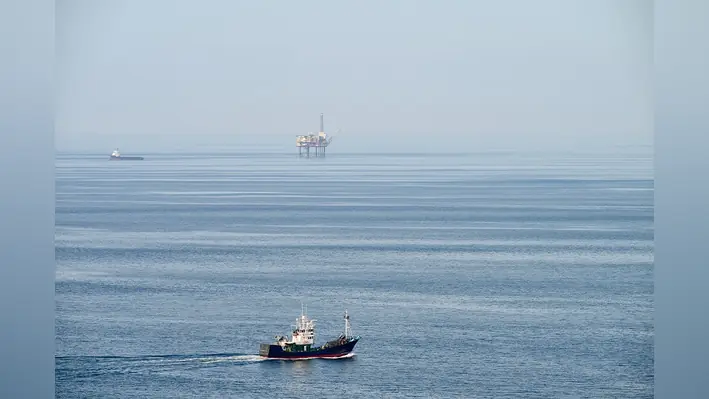
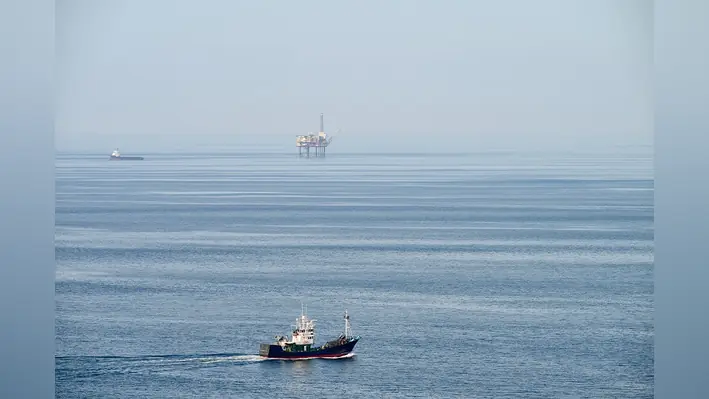 Talos Energy Inc has announced the execution of a definitive agreement to jointly acquire certain deepwater assets in the Gulf of America from Shell Offshore Inc, alongside an affiliate of Ridgewood Energy Corporation.
"We are pleased to announce the acquisition of these high-quality deepwater assets directly aligned with Pillar Two of our strategy. The bolt-on is highly accretive, materially enhances free cash flow, and includes Infrastructure-Led Exploration opportunities where our field life extension track record can unlock value beyond current reserves. We also see a clear pathway for operated development activity to compete for capital beginning in 2027, further supporting long-term value creation as we continue to advance our strategy to build a long-lived, scaled portfolio and become the leading pure-play offshore E&P," said Talos President and Chief Executive Officer, Paul Goodfellow.
Talos Executive Vice President and Chief Financial Officer, Zach Dailey said, "This strategic transaction in the Gulf of America is expected to be immediately accretive to key financial metrics and deliver long-term value while maintaining balance sheet strength and preserving financial flexibility. Importantly, the increased borrowing base reflects strong confidence from our lenders in the quality of the acquired assets, Talos's base business, and the financial framework that underpins our strategy. On a pro forma basis, we expect to maintain leverage consistent with our financial framework."
The acquisition holds highly accretive to key financial metrics for Talos as it will ensure low-cost, high-margin, oil-weighted production. It can potentially add proved reserves of approximately 23 million barrels of oil equivalent (MMBoe) and 10 MMBoe of probable reserves, with additional operated Infrastructure‑Led Exploration (ILX) opportunities supporting future growth. Production for the first quarter 2026 was 16 thousand barrels of oil equivalent per day (MBoe/d), ~77% oil.
In line with its previous guidance, Talos has also completed the Genovesa workover and returned the well to production late in the second quarter of 2026.
The first Monument development well was successfully drilled to its total measured depth of 32,250 feet and encountered 245 feet of net pay confirming pre-drill expectations. Drilling is set to commence on the second development well followed by completion operations on both wells. First oil is expected by late 2026.
The Company expects to update its 2026 operating and financial guidance for the Acquisition following closing.
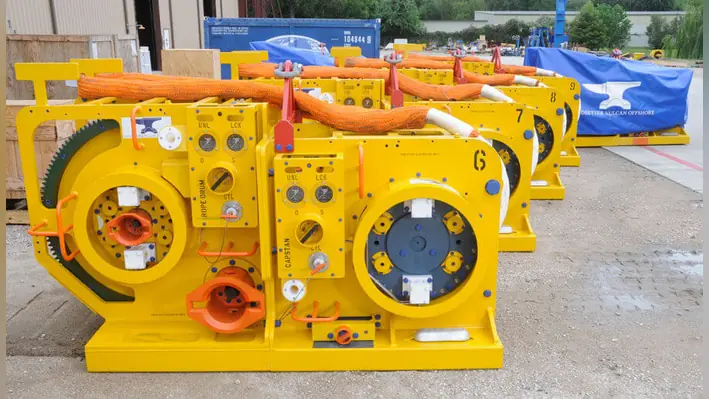
Trendsetter Vulcan Offshore (TVO), a developer of innovative offshore industry solutions, has deployed its proprietary Hercules tethered blowout preventer (TBOP) system to support the restart of a shut-in well in the Gulf of America (GoA)
“Our TBOP technology is the foundation of innovative solutions installed globally, and we are continually refining functionality to meet the operator’s precise needs” said TVO President Jim Maher. “We work directly with energy companies to understand performance requirements so we can quickly tailor site-specific solutions.”
For a recent installation in the northwestern sector of the GoA, TVO partnered with an operator that had previously used the Hercules TBOP system successfully on another project. The advanced system was developed to enable a deepwater floater equipped with a dynamic positioning (DP) system to operate safely in shallow-water environments.
The operator engaged TVO during the well planning phase, outlining the conditions at the well location and its intention to deploy a DP rig that had been operating under a long-term deepwater contract to carry out the workover of a shallower-water well. This approach removed the requirement for a separate moored rig at the site, avoiding additional costs.
TVO’s technical team completed the necessary BOP modifications for the well location, rapidly designing and customising the system while conducting in situ load testing, marking the first time this validation process had been completed on site. The installation was successfully executed, allowing the deepwater DP rig to safely perform the workover operation.
For more than a decade, TVO’s solutions have supported offshore operations by enhancing safety and addressing complex technical and operational challenges in demanding environments. The company’s technologies have been deployed across the Gulf of America, North Sea, Australasia and South America.
Trendsetter Vulcan Offshore (TVO), a developer of innovative offshore industry solutions, has deployed its proprietary Hercules tethered blowout preventer (TBOP) system to support the restart of a shut-in well in the Gulf of America (GoA)
“Our TBOP technology is the foundation of innovative solutions installed globally, and we are continually refining functionality to meet the operator’s precise needs” said TVO President Jim Maher. “We work directly with energy companies to understand performance requirements so we can quickly tailor site-specific solutions.”
For a recent installation in the northwestern sector of the GoA, TVO partnered with an operator that had previously used the Hercules TBOP system successfully on another project. The advanced system was developed to enable a deepwater floater equipped with a dynamic positioning (DP) system to operate safely in shallow-water environments.
The operator engaged TVO during the well planning phase, outlining the conditions at the well location and its intention to deploy a DP rig that had been operating under a long-term deepwater contract to carry out the workover of a shallower-water well. This approach removed the requirement for a separate moored rig at the site, avoiding additional costs.
TVO’s technical team completed the necessary BOP modifications for the well location, rapidly designing and customising the system while conducting in situ load testing, marking the first time this validation process had been completed on site. The installation was successfully executed, allowing the deepwater DP rig to safely perform the workover operation.
For more than a decade, TVO’s solutions have supported offshore operations by enhancing safety and addressing complex technical and operational challenges in demanding environments. The company’s technologies have been deployed across the Gulf of America, North Sea, Australasia and South America.

Two companies offering well intervention and other specialist offshore services in the Gulf of America, Helix Energy and Hornbeck Offshore Services, are moving ahead with a major merger plan.
In a June presentation to investors — Creating a Premier Integrated Offshore Services Company — Helix Energy outlined the rationale behind the deal ,and status of the transaction, which is expected to close in the second half of 2026, subject to approvals.
Helix Energy is a well-known supplier of well intervention, subsea robotics and technical services in the Gulf of America and overseas, while Hornbeck Offshore is renowned for its high-spec fleet of specialty vessels.
After the merger, the presentation noted that more than half of total group revenues will come from the US market, with Brazil, North Sea and West Africa also significant.
Approximately 80% of the 2025 combined revenues across both companies were derived from the oil and gas sector, with non-oil and gas accounting for just 20%.
While Hornbeck brings with it a larger fleet of offshore support and multipurpose vessels, Helix boasts a strong and established well intervention fleet.
In its Q1 2026 results, Helix Energy reported robust growth in its well intervention business, with results driven, in part, by strong Gulf of America activity.
Well Intervention revenues increased $28.4mn, or 16%, during the quarter compared to the prior quarter, primarily due to increases in the Gulf of America and Brazil, it noted.
The combined company will be renamed Hornbeck Offshore Services and trade on the New York Stock Exchange.
The post-merger team will be led by Todd M. Hornbeck, who will serve as the new combined entity’s President, CEO and Director.

 Global energy services leader Expro has secured a contract extension with a major operator, bringing cutting-edge subsea safety technology to the Gulf of America (GOA)
On 4 June 2026, the firm confirmed a comprehensive contract extension that will see it continue to deliver essential subsea completion and intervention services within the challenging waters of the GOA. This new agreement, set to span up to five years, serves as a testament to a collaborative partnership that has successfully endured for over twenty years.
Capitalising on the momentum of recent fruitful projects, this renewed arrangement notably features the deployment of one of the company's most recent innovations. For the first time within this partnership, Expro will deploy its proprietary Solus technology, a highly specialised shear-and-seal valve. This sophisticated piece of equipment is meticulously designed to provide a critical, additional layer of safety and reliability throughout complex subsea operations. By supporting robust well integrity in some of the most unforgiving and challenging offshore environments, the deployment of this valve illustrates Expro's ongoing commitment to bringing pioneering 'new technology' to the global market.
Under the terms of the extended contract, Expro will be tasked with supplying comprehensive subsea landing string services. The firm will draw on the extensive subsea well access expertise cultivated within its North and Latin America (NLA) regional operations to accomplish this. The tailored system is engineered to enable highly safe and efficient well intervention and completion activities. Crucially, it offers the necessary adaptability and operational flexibility required to meet the client's constantly evolving project demands.
Speaking on the significance of the agreement, Daniel More, Vice President, Subsea Well Access of Expro, said, “This contract represents the continued strength of our long-term relationship with the global operator and underlines their confidence in Expro’s subsea capabilities. We’re extremely proud of the success we’ve achieved together and look forward to supporting their ongoing projects in the Gulf of America with safe, reliable, and efficient subsea services.”
This prolonged partnership reinforces Expro’s position as a comprehensive 'well lifecycle partner'. From carbon storage well testing to complex subsea plug and abandonment campaigns, the company's diverse portfolio continues to evolve in step with its clientele's needs.
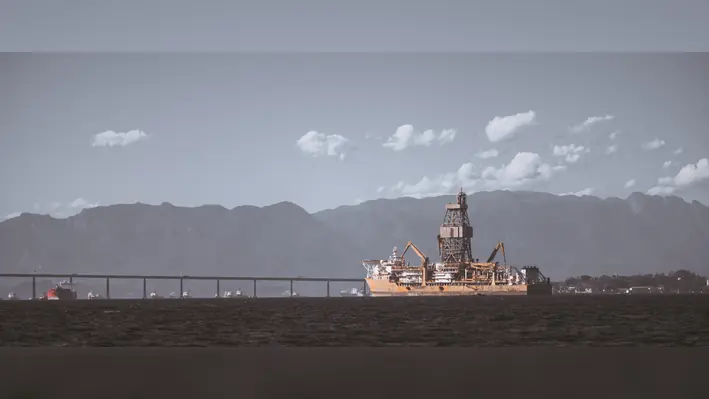
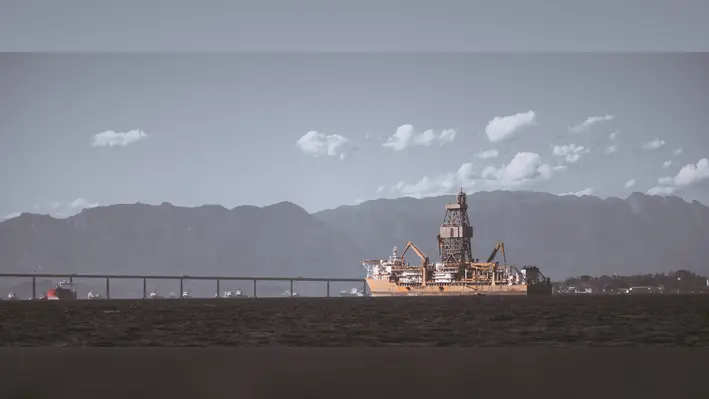 The PetroJarl Rosebank FPSO vessel has arrived on site to the west of Shetland, marking a major milestone in production generation goals from one of the largest undeveloped oil and gas field in the United Kingdom.
Once regulatory processes are cleared and formal government approval are in place, the field is considered significant to North Sea jobs, the UK economy and energy security.
Welcoming the arrival, Russell Borthwick, Chief Executive of Aberdeen & Grampian Chamber of Commerce, said, “Despite a protracted regulatory process which remains ongoing, it’s great to see work continuing to bring Rosebank closer to the point of production with the FPSO arriving at the field in recent days.
“Rosebank represents the very best in North Sea engineering capability, a multibillion-pound investment by the developer, major contracts for the UK supply chain and thousands of energy jobs supported throughout the lifetime of the project.
“New North Sea oil and gas development is vital for delivering energy security and economic growth for the UK.
“Rosebank is exactly the sort of at-scale oil and gas project will help tackle the chronic short supply of essential fuels in the UK and across Europe right now and bring more gas into homes from as early as next year. The reality is that Britain still relies on oil and gas for over 70% of our energy needs. While we still need it, we should produce as much of our it as possible from our own waters.
“There’s still a bright future for the North Sea, provided we see the regulatory process moving, the tax regime reformed and a pragmatic approach on how we secure the supply of domestic oil and gas that Britain needs in the years to come.”

 Led by North America the global decommissioning industry is seeing a shift from a regulatory obligation approach to embracing sustainability practices that involve cost optimisation strategies and meeting environmental goals.
Decommissioning is not being seen as a liability anymore but a multi-billion-dollar opportunity in the form of new industries and multiple means of employment generation. This outlook sits perfectly with the requirements of the global energy transition landscape.
This is also the ideal way to tackle the burgeoning decommissioning liabilities as thousands of offshore platforms approach end-of-life across mature basins. The market is projected to witness strong compound annual growth rate through 2030, fueled by aging infrastructure across the Gulf of Mexico, among other regions. Well plugging & abandonment (P&A) activities has seen a boost alongside strict environmental compliance regulations and rising investments in subsea cutting, heavy-lift removal, and digital planning technologies.
These scenarios have pushed decommissioning to the forefront, with asset retirement and lifecycle management determining operators' annual budgets. They are working to stay up to date with regulatory risk exposures, forecasting capital expenditure cycles and tender pipelines, and aligning with ESG-driven investment strategies.
The significance of decommissioning in the offshore industry has led to a structured market growth, whereby players are prioritising regional entry strategies, building partnerships with EPC and subsea service providers, optimising cost modeling and bid strategies, and improving long-term investment planning.
Copyright © 2026 Offshore Network