 Led by North America the global decommissioning industry is seeing a shift from a regulatory obligation approach to embracing sustainability practices that involve cost optimisation strategies and meeting environmental goals.
Decommissioning is not being seen as a liability anymore but a multi-billion-dollar opportunity in the form of new industries and multiple means of employment generation. This outlook sits perfectly with the requirements of the global energy transition landscape.
This is also the ideal way to tackle the burgeoning decommissioning liabilities as thousands of offshore platforms approach end-of-life across mature basins. The market is projected to witness strong compound annual growth rate through 2030, fueled by aging infrastructure across the Gulf of Mexico, among other regions. Well plugging & abandonment (P&A) activities has seen a boost alongside strict environmental compliance regulations and rising investments in subsea cutting, heavy-lift removal, and digital planning technologies.
These scenarios have pushed decommissioning to the forefront, with asset retirement and lifecycle management determining operators' annual budgets. They are working to stay up to date with regulatory risk exposures, forecasting capital expenditure cycles and tender pipelines, and aligning with ESG-driven investment strategies.
The significance of decommissioning in the offshore industry has led to a structured market growth, whereby players are prioritising regional entry strategies, building partnerships with EPC and subsea service providers, optimising cost modeling and bid strategies, and improving long-term investment planning.

 SLB has signed a memorandum of understanding with Qualcomm Technologies to enable edge AI solutions for the energy industry, with a focus on enabling AI applications across production operations.
The collaboration combines Qualcomm Technologies’ low-power edge computing and AI processing capabilities, with SLB’s Agora edge AI and IoT solutions developed for remote and complex environments, supporting real-time operational decision-making across wells, facilities and production systems.
With energy operators increasingly adopting automation and autonomous workflows across production environments, demand for agentic AI systems that can run closer to operations is rising, given they can support more responsive and resilient operations in remote environments where connectivity, latency and operational continuity are critical. This collaboration is expected to help operators modernise legacy operational environments while strengthening cybersecurity across operational technology.
“Together, SLB and Qualcomm Technologies aim to help operators apply AI more effectively across energy infrastructure,” said Rakesh Jaggi, president, Digital, SLB. “Many energy operations rely on real-time decision-making in remote environments where connectivity and responsiveness directly affect performance. AI systems designed around the realities of energy operations can help support more consistent and autonomous workflows across those environments.”
“Many industrial environments require AI systems that can operate with limited power, constrained connectivity, separation between operational technology and information technology environments, and real-time operational demands,” said Nakul Duggal, EVP and Group GM, Automotive, Industrial and Embedded IoT, and Robotics, Qualcomm Technologies, Inc. “This collaboration brings Qualcomm Technologies’ low-power AI processing closer to energy operations, alongside operating assets, helping enable edge intelligence for new use cases and supporting progress toward more autonomous workflows.”

Nopsema has outlined the state of play in the nation’s decommissioning efforts after posting its ‘Australia's Offshore Energy Industry Performance Report 2025’ on its website.
Sue McCarrey, CEO of Australia’s offshore regulator, said in the report’s foreword that decommissioning and the management of redundant wells continue to be a major focus for the industry.
The report also charts significant progress made in recent years.
In the last five years, 280 wells have been plugged and abandoned, and there are currently 489 non-operational wells, according to the report.
Between 2021 and 2025, 17 environment plans for decommissioning were also approved.
Out of 30 production systems that are no longer producing, seven have been decommissioned to an accepted end-state, and eight have decommissioning execution works underway.
“As offshore assets age, decommissioning activity has increased and many wells are now non-operational,” McCarrey noted.
Addressing these redundant wells is a national priority, but a highly complex task, according to McCarrey.
“Plug and abandonment activity has accelerated, but there remains a clear expectation that decommissioning obligations are met in a timely and effective manner.”
As detailed in Nopsema’s Decommissioning Compliance Strategy 2024-2029, it is expected that non-producing wells for a facility that has reached end of life, are plugged and abandoned within three years of production ceasing and no later than 10 years after being suspended if the facility is still producing.
The report also notes that industry effort is shifting from drilling of new wells to late-life obligations, with well abandonment increasing notably in recent years while spudding continues to fall – consistent with an accelerating transition to decommissioning activities.
The overall number of registered wells on titles is declining, it adds, with a sustained fall since 2020.

 Last week, Geoactive announced the launch of DecomX, a new P&A decision support system designed to reduce time and overhead around well decommissioning.
The technology addresses the increasing effort required when selecting the de-risked option, in the shape of validating compliance, drafting submissions, planning campaigns and keeping designs aligned as conditions change.
DecomX supports well abandonment designs across environmental, risk, cost, compliance, and execution. The P&A design has been built directly into the platform, with the system generating feasible alternative options for ALARP comparison. Compliance checks run independently on every design change, checking regulatory standards and internal company rules.
Submissions export a single PDF that includes schematics, barrier definitions, demonstrable evidence, compliance findings, and cost risk justification.
DecomX also allows for wells to be grouped into campaigns, allowing for planning, offshore unit scheduling and equipment allocation to be supported within the same environment.
Gary McWilliam, DecomX Product Champion, said, “P&A engineering itself is demanding, but most teams are spending more time proving and demonstrating decisions than doing the engineering. DecomX was built to deal with that overhead; not by replacing engineers, but by supporting their decisions with consistent, traceable evidence.”

 SLB has reached an agreement to acquire US-based technology company, Tachyus Corp., in a move which aims to strengthen SLB’s digital portfolio with differentiated physics-based reservoir modelling capabilities that enable faster reservoir management decisions.
Demand is increasing for technologies that support continuous reservoir management as operators work to maximise recovery from existing assets. While traditional high-fidelity reservoir simulators support field development decisions to optimise recovery, Tachyus technologies enable operators to make more tactical decisions in response to changing conditions.
The technologies can evaluate thousands of reservoir scenarios in minutes, enabling reservoir and production teams to adjust field strategies based on current asset performance while maintaining alignment with longer-term development plans.
Tachyus’ technologies combine machine learning with reservoir physics to model behaviour under different conditions. Its Aqueon platform has been deployed across more than 7,500 wells globally, supporting waterflood management, pressure forecasting, production optimisation, saltwater disposal optimisation for unconventional operations, and EOR operations.
Rakesh Jaggi, President of SLB’s Digital Business, said, “Reservoir management is becoming increasingly dynamic as operators look to maximise recovery from existing assets. The addition of Tachyus will strengthen our ability to deliver operational reservoir management workflows that help customers manage and optimise complex enhanced oil recovery schemes.”
SLB plans to integrate Tachyus technology into its Delfi digital platform and Lumi data and AI platform, enabling closed-loop reservoir and production management workflows.

Woodside has issued an update on the Minerva field decommissioning, with a focus on the removal of a pipeline from Commonwealth waters.
The company outlined anticipated timelines in a May 2026 Environmental Plan (EP) consultation sheet, with work on the horizon in the latter part of next year.
“Woodside Energy is planning to recommence subsea decommissioning activities for the Minerva field (previously operated by BHP Petroleum (Victoria) Pty Ltd),” the statement noted.
Work includes the removal of the Minerva pipeline bundle and stabilisation mattresses.
The field is located approximately 11 km south southwest of Port Campbell, Victoria, with infrastructure reaching across state and Commonwealth waters, in depths of approximately 15 – 60 metres.
“The proposed activity is planned to be undertaken, following acceptance of the EPs, between September 2027 and end of April 2028, outside the peak whale season,” the statement noted.
The duration of the proposed activity is expected to be 30–45 days in State and Commonwealth waters, respectively, for a total of 90 days subject to factors including regulatory approvals, vessel availability, weather, operational requirements and other circumstances.”
The works are planned to be completed no later than 30 April 2028, it added.
Woodside is the operator of Minerva field, and works alongside its joint venture partner, Amplitude Energy.
During 2025, wells were plugged and abandoned, and associated well infrastructure was removed in accordance with the accepted Minerva Plug and Abandonment (P&A) EP.
As well as timelines, the new EP consultation sheet also provides an overview of various activities, potential environmental impacts and risks, and the measures proposed to manage them ahead of the next phase of work.
The Minerva field ceased production in September 2019.Following cessation of production, the wells were suspended and the subsea system was preserved for decommissioning.
A vessel-based campaign was then conducted in 2021 to disconnect flowlines from wells and install barrier plugs.
To date, a total of around 1,671 tonnes of infrastructure have been removed from the Minerva Field, according to Woodside, with a recycling target of over 90% by weight.

The offshore energy sector faces a pivotal moment as ageing infrastructure and supply chain constraints collide with a massive backlog of projects.
At the Decommissioning and Abandonment Gulf of America (D&A GOA) 2026 conference held on 20 and 21 April, industry leaders addressed an urgent need to change the status quo through collaboration and conversation.
The scale of the challenge in the Gulf of America is staggering. Currently, more than 2,700 wells and 500 platforms are overdue for decommissioning. A primary concern is the rise of 'boomerang assets': infrastructure returned to predecessor operators in severely degraded conditions, often lacking reliable documentation or clear well status. One operator described receiving a platform nicknamed the 'widow maker', which featured spongy decks, missing handrails, and an inoperable crane and helideck. As decades' worth of deprioritised, underfunded infrastructure compounds, these dangerous boomerangs are becoming the rule rather than the exception.
Compounding the physical decay is a shrinking execution window caused by structural supply chain decline.
Industry experts argued that the sustainable path forward requires moving away from transactional contracting towards long-term operator-contractor partnerships. AI is no longer merely a talking point. Other innovations highlighted include:
Promethean, a co-chair of the event, emphasised that the quality of planning directly determines execution quality. Their model relies on lump sum commitments rather than time-and-materials arrangements to drive cost efficiency. A case study presented by SVP of Commercial, Steve Louis, detailed a high-risk project: an orphaned well on a platform listing at 12 degrees with a confirmed gas leak. Following five intensive days of engineering and risk assessment and seven days of offshore work, the asset was permanently abandoned under budget with zero significant downtime.
As D&A GOA 2026 concluded, the consensus was clear: the industry must embrace supermajor-level discipline and new technology to turn these liabilities into opportunities.

Downhole Tools International (DTI), a supplier of coil tubing, wireline, slickline and cable-deployed tools, has adopted the name Pragma as it redirects its strategic focus toward the development and commercialisation of advanced well barrier technologies
Backed by recent investment from FrontRow Energy Technology Group and BGF (Business Growth Fund), the company is reshaping its business around a three-tier well barrier portfolio. At the centre of this strategy is its flagship M-Bubble metal expandable barrier technology, while the company continues to provide customers with its broader range of downhole tools.
The rebranding represents a return to the company’s original name and reflects a renewed commitment to its innovation-driven heritage. Pragma will continue developing technologies designed to address complex well integrity, water management, and plug and abandonment challenges across the global energy industry.
To support this direction, the company has made significant investments in its workforce, technology development pipeline and international presence, strengthening its position for sustained future growth.
The appointment of David Stephenson as CEO in late 2025 was followed by the establishment of an enhanced management and international business development team. The team brings extensive experience in global well intervention and well barrier development, covering design, operations and commercialisation.
Alongside the redesign and relaunch of its PKB and IX plug technologies under the Pragma brand, the company will maintain M-Bubble as a key component of its growth plans. Efforts will continue to focus on commercial deployment and wider international adoption, particularly in the Middle East and Asia Pacific markets.
David Stephenson comments: “Rebranding as Pragma is about more than a change of name - it’s about reaffirming our focus on well barrier technology and the innovative approach upon which the business was founded.
“With the support of FrontRow and BGF, we’re in a strong position to grow M-Bubble whilst developing well technologies from concept through to commercial deployment, as we help operators tackle increasingly complex well integrity and water management issues.”

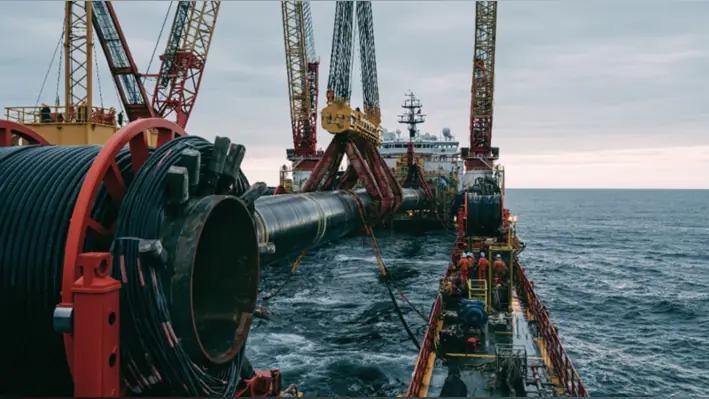
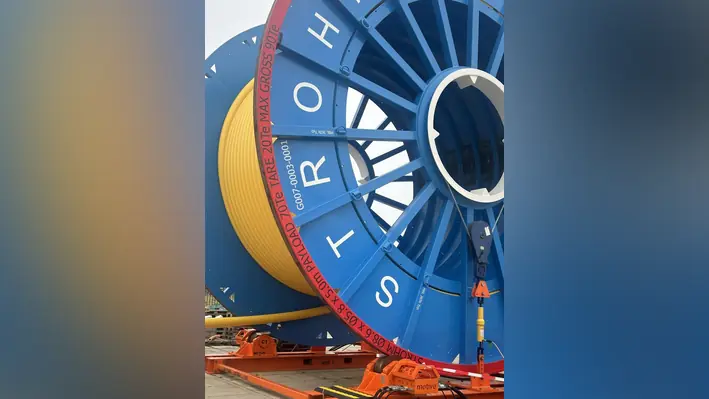 The deep waters off the coast of Egypt are witnessing a quiet revolution in subsea engineering, as heavy, corrosive steel makes way for lighter, more sustainable composite technologies.
For the first time in the region, advanced thermoplastic composite pipe (TCP) technology is being deployed to modernise offshore infrastructure. Leading TCP manufacturer Strohm has secured a landmark contract to supply a 2,000-meter flowline for one of the West Delta Deep Marine (WDDM) projects. Operated by the Burullus Gas Company, a joint venture uniting EGAS, Shell, and Petronas— this project signals a significant shift in deep-sea energy logistics.
The new flowline, engineered with carbon fibre and PA12 polymer, is designed to withstand extreme subsea conditions with a pressure rating of 5,000psi and is qualified to the DNV-ST-F119 standard. Resting at depths of nearly 600 meters, this state-of-the-art system is actively replacing an existing steel flowline. The TCP technology offers a striking environmental and logistical edge over its predecessor: it is inherently strong, non-corrosive, spoolable, and lightweight. Crucially, the material is 100% recyclable and drastically reduces the carbon footprint of subsea operations by allowing installation from small vessels or subsea pallets rather than energy-intensive specialised installation ships.
The installation itself, managed by Oceaneering International, will employ a cost-effective 'horizontal lay' method utilising a multi-purpose vessel to maximise efficiency. Norman Lentsch, Strohm's Business Development Manager for Africa, recognises the strategic importance of this regional debut. “This contract marks an important milestone for us as we enter the Egyptian market for the first time. We are proud to work with Oceaneering International and Burullus Gas Company as we support the region's growing energy infrastructure needs with our high-quality flowline solutions,” he said.
He further emphasised the industry's growing trust in this innovative material, saying, “Our entry into the local market underscores the confidence operators have in our TCP products, our extensive track record and our ability to deliver consistent quality and performance. We look forward to demonstrating Strohm's commitment to safety and excellence.”
The partnership with Oceaneering brings critical installation expertise to the table, further optimising the project's bottom line. Chris Dyer, Senior Vice President at Oceaneering's Offshore Project Group, detailed how their existing capabilities create seamless project execution. Dyer said, “At Oceaneering, we have extensive experience installing flexible products, including TCP. By leveraging our umbilical product installation capabilities to support TCP installations, we can maximise our assets globally and streamline project execution, providing tangible benefits to the end user in overall project cost and schedule."
By moving away from traditional steel toward next-generation composite pipes, this Egyptian deployment acts as a blueprint for the future of offshore energy, where flexibility, carbon reduction, and cost efficiency guide deep-water development.

Leading international jackup drilling contractor Borr Drilling remains upbeat on more Middle East work despite current issues facing the region.
In the company’s Q1 2026 results, Bruno Morand, CEO, painted a positive picture overall with revenues reaching US$247mn and strong operational performance with technical utilisation of 99.4%.
As well as updates from other regions, such as the USA and Mexico, Morand outlined his thoughts on the state of play in the Middle East and its potential impact for work around the world.
“While the Middle East conflict has created near-term uncertainty, key tenders in the region continue to progress, with some modest delays,” he noted.
“More broadly, in our view, recent events have strengthened the longer-term outlook for the sector providing for a higher oil price and a renewed focus on energy security.”
He added that shallow-water basins “continue to represent an attractive resource, offering low-cost, short-cycle barrels that enable our customers to respond rapidly to the market backdrop.”
Due to the planning and budgeting processes of its customers, the company expects that improved activity and day rates will lag the oil price development by 6 to 12 months, as evidenced after the military invasion of Ukraine, when day rates strongly increased.
As such, Morand said the company is “increasingly confident” about its prospects for 2027 and 2028, adding that he expects the disruptions from the conflict in the Middle East to be both substantial and long lasting.
Reflecting this confidence, Borr Drilling completed the acquisition of five jack-up rigs from Noble Corporation in January 2026 for US$360mn and entered into agreements to acquire five further jack-up rigs via a new joint venture for a further US$287mn.
“With this backdrop, Borr Drilling's expanded fleet is well placed to support our customers’ demand and deliver long-term shareholder value as the cycle develops.”

Baker Hughes has announced two major contract extensions with Equinor to deliver integrated drilling and well services solutions, along with wireline intervention services.
The multi-year agreements will support Equinor’s offshore hydrocarbon production activities in the North Sea.
As part of the integrated drilling and well services contract, Baker Hughes will provide a comprehensive range of solutions for both mature assets and new developments. The company will draw on expertise from its Well Construction and Completions, Intervention and Measurement portfolios to support projects across the Norwegian continental shelf. Technologies including the Kantori autonomous well construction solution and TRU-ARMS advanced reservoir mapping services will be utilised to help develop offshore resources more efficiently.
Under the intervention services agreement, Baker Hughes will supply fully integrated well intervention solutions, combining its surface and downhole technologies with complementary systems provided by service partners. The objective is to enhance the lifespan and performance of offshore wells operating in the North Sea. The extended contract also broadens the deployment of Baker Hughes’ technology portfolio built around the PRIME Technology Platform, supporting both production optimisation and emissions reduction initiatives across the Norwegian Continental Shelf.
“Baker Hughes’ ability to provide holistic solutions that unlock incremental value for our customers has been proven through decades of operation in the North Sea,” said Baker Hughes Executive Vice President of Oilfield Services & Equipment Amerino Gatti. “From greenfield well construction operations to interventions that extend the life of mature fields, our innovative technologies and ability to integrate our services can help create a more secure energy future for Norway and all of Europe. We look forward to being part of this new chapter of collaboration with Equinor.”
Baker Hughes has maintained a longstanding presence in Norway’s energy industry, employing thousands of people and operating multiple facilities across the country. Earlier this year, the company inaugurated its new Subsea Services Center of Excellence and manufacturing facility in Dusavik. It also operates a dedicated Center of Excellence for Plug & Abandonment in Stavanger.
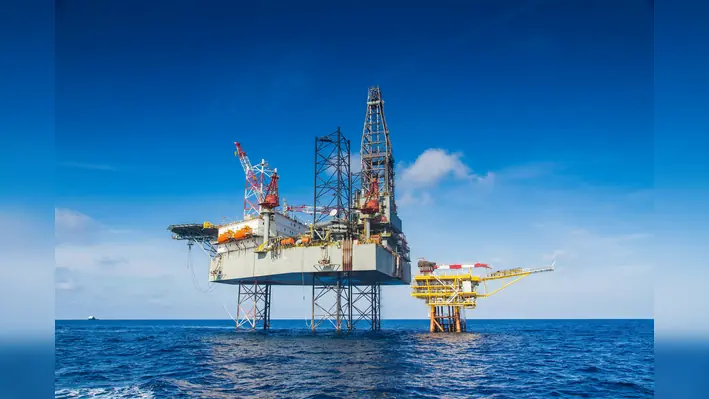
Energy and marine consultancy ABL has been commissioned by Esso Australia Resources Pty Ltd (Esso) to provide marine warranty survey (MWS) services to support the safe and efficient delivery of the first phase of the Gippsland Decommissioning Campaign, Australia’s largest offshore decommissioning project.
Esso is the operator of the assets in the Bass Strait that are part of the Gippsland Basin Joint Venture. These comprise around 400 wells, six subsea facilities and more than 800 kilometres of subsea pipelines, and 19 platforms.
Esso is now undertaking the first Bass Strait decommissioning campaign, which is set to play a big role in Australia’s decommissioning and circular economy ambitions, given it involves the removal of around 60,000 tonnes of offshore structures and a target to recycle over 95% of materials.
Preparations for the campaign are well advanced, with the offshore lifting campaign to remove up to 12 platforms scheduled to commence in 2027 using Allseas’ Pioneering Spirit. In preparation, ABL is conducting suitability surveys to validate the proposed marine spread, and technical review and approval of decommissioning documentation. Its scope of work will include on-site attendance at all warranted offshore operations to ensure activities are executed safely and in line with approved procedures.
“This is a landmark project for Australia’s offshore industry, involving highly complex marine operations, including offshore lifting, transportation and discharge of substantial tonnage of assets that are up to half a century old,” said Adam Solomons, East Coast manager at ABL Australia. “Our extensive track record and multi-disciplined expertise that we offer in decommissioning, alongside our deep experience in offshore Australia – makes ABL well positioned to support Esso in reducing risk and optimizing their operations.”
ABL, which is part of the Oslo-listed ABL Group and whose Australian operation is headquartered in Perth, will draw on more than four decades of decommissioning experience, offering services from feasibility and owner’s engineering through to marine consultancy and MWS.
Page 12 of 137